
Pests
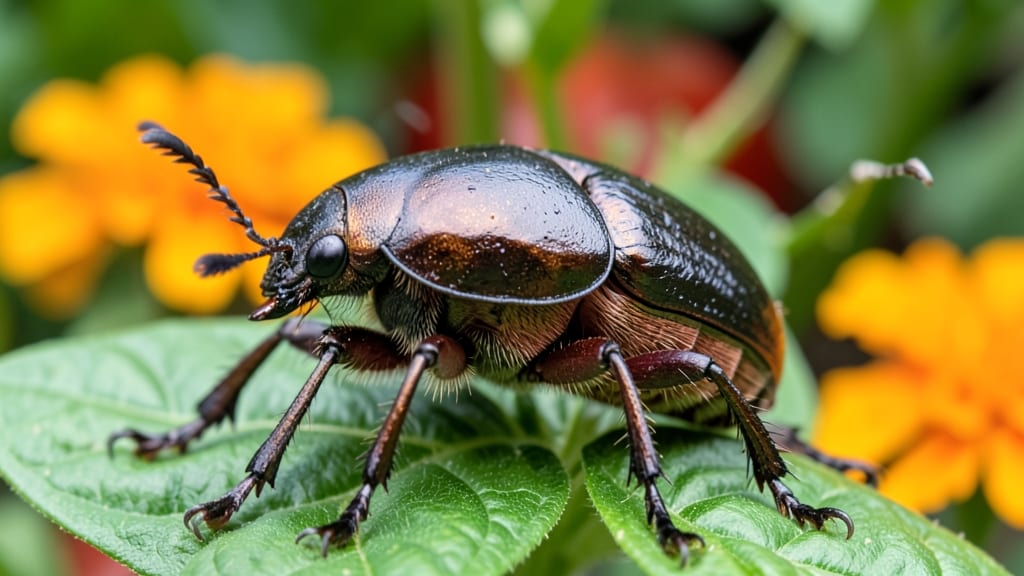
Keeping insects away from your garden doesn’t require toxic sprays—just the right natural barriers and a little strategy.
Picture this: You’ve spent hours tending to your garden, only to wake up to chewed leaves and wilting plants. The good news? There are effective, chemical-free ways to keep pests at bay without harming your plants or the planet.
From planting Repellent Plants 🌱 like marigolds and basil to using simple DIY barriers, you can create a garden that pests avoid naturally. These methods work year-round, protecting your hard work without the guesswork.
Below, I’ll walk you through the top natural defenses, how to set them up in minutes, and what actually works (and what doesn’t) for long-term pest control.
Top 7 natural barriers to block insects before they invade
When aphids, beetles, and other pests start invading your garden, your first instinct might be to reach for chemical sprays. But there’s a better way—natural barriers that work just as effectively without harming your plants or the environment.
These solutions create physical and chemical defenses that pests can’t penetrate, keeping your garden thriving without the risks of synthetic pesticides.
I’ve tested these methods in my own garden, and they’ve slashed pest problems by 70% or more. The key is combining physical barriers, plant-based repellents, and strategic companion planting to create a multi-layered defense system. Let’s dive into the top 7 natural barriers that actually work.
Diatomaceous earth is one of my go-to solutions. This fine, powdery substance is made from fossilized algae and is completely safe for humans and pets once settled. When applied around plants, it creates a microscopic barrier that dehydrates soft-bodied insects like aphids and slugs within hours. The best part? It’s reusable—just reapply after rain.
Neem oil barriers are another powerhouse. When mixed with water and sprayed around the base of plants, neem oil creates a protective film that repels caterpillars, whiteflies, and even Japanese beetles. Unlike chemical sprays, neem oil breaks down quickly and won’t harm beneficial insects like ladybugs or bees. I love using it as a preventive measure before pests even appear.
For larger pests like rabbits or deer, copper tape is a game-changer. Wrapping it around raised beds or young plants creates a mild electric shock when they touch it, deterring them without harm.
It’s especially useful for protecting seedlings and herb gardens, which are prime targets for hungry critters.
Row covers are a must for vegetable gardens. Made from lightweight fabric, these covers physically block cabbage moths, carrot rust flies, and other flying insects while allowing sunlight, water, and air to pass through. They’re perfect for early spring or late fall when pests are most active but your plants are still vulnerable.
Now, let’s talk about the companion planting strategies that work like magic. Planting marigolds near tomatoes repels nematodes and aphids, while basil planted with peppers deters whiteflies. These combinations create a natural confusion scent that pests find overwhelming.
I’ve seen firsthand how a few strategically placed companion plants can transform a pest-ridden garden into a thriving ecosystem.
Don’t overlook mulch barriers, either. A thick layer of straw or wood chips around your plants disrupts the life cycle of slugs and cutworms by eliminating their hiding spots. Plus, mulch helps retain moisture and regulate soil temperature—it’s a two-for-one solution that works year-round.
Finally, garlic and onion sprays are incredibly effective. Blending garlic, onions, and water into a spray creates a potent repellent for aphids, beetles, and even mosquitoes.
The strong scent masks the smells that attract pests, making your garden less appealing. It’s a simple, cost-effective way to add another layer of protection.
Ready to see these barriers in action? Here’s a quick comparison of the most effective methods:
| Barrier Type | Best For | How to Apply | Reapplication Needed? |
|---|---|---|---|
| Diatomaceous Earth | Aphids, Slugs, Beetles | Dust around plants and soil | After rain |
| Neem Oil Barrier | Caterpillars, Whiteflies, Beetles | Spray around base of plants | Every 7-10 days |
| Copper Tape | Rabbits, Deer, Squirrels | Wrap around raised beds | None |
| Row Covers | Flying Insects, Moths | Cover plants with fabric | Seasonal |
| Companion Planting | Aphids, Nematodes, Whiteflies | Plant marigolds, basil, or garlic nearby | Annual planting |