
Advice
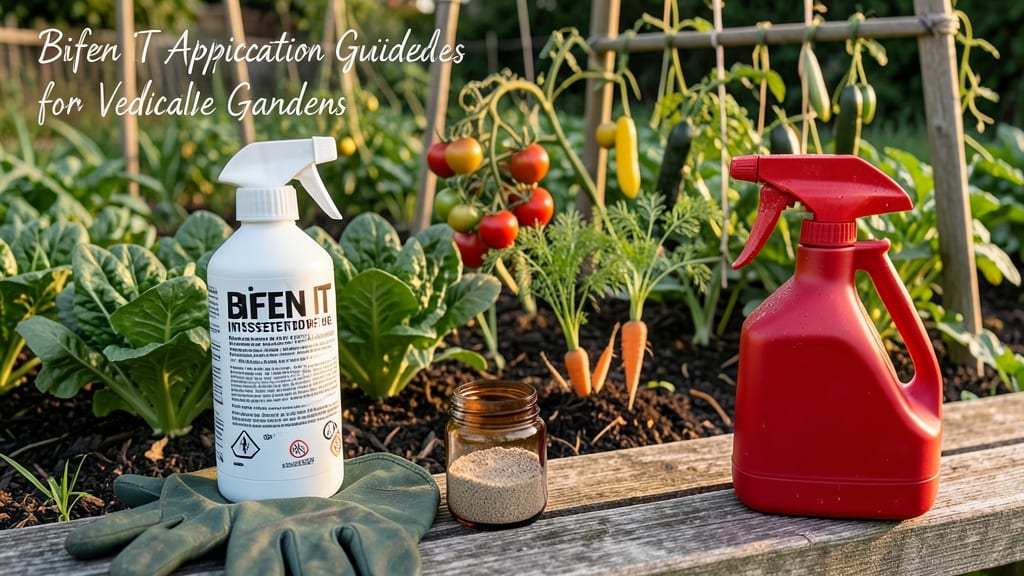
Bifen (bifenthrin) is not safe for vegetable gardens when applied to edible crops, due to residue risks that exceed safe human consumption levels. The EPA restricts its use, and organic gardening standards completely exclude it. For nearby non-edible plants, always verify pre-harvest waiting periods.
Bifen’s active ingredient, bifenthrin, disrupts nervous systems in insects and can linger in soil for months, affecting both pests and beneficial organisms like bees and earthworms. 🔥 The EPA’s classification as a restricted-use pesticide reflects these concerns, especially since residues may transfer to edible plants through water or direct contact.
Even when used on non-food plants, drift or runoff could contaminate your vegetable beds, making organic alternatives like neem oil or pyrethrin sprays far safer choices.
For gardeners prioritizing food safety, I recommend focusing on prevention—healthy soil, companion planting, and regular monitoring—rather than chemical interventions. Many organic solutions, like kaolin clay or insecticidal soaps, provide effective control without the long-term risks. Always check labels for organic certification if you’re growing for consumption.
💡 In This Article
- Bifen’s Toxicity Risks for Vegetable Gardens and Soil Health
- Safer Alternatives to Bifen for Organic Vegetable Pest Control
Bifen’s toxicity risks for vegetable gardens and soil health
Bifen’s active ingredient, bifenthrin, works by overstimulating insect nervous systems—specifically targeting sodium channels in neurons—leading to paralysis and death. This neurotoxic mechanism isn’t selective, meaning it affects both pests and beneficial insects like bees, whose populations are already under threat.
Studies show bifenthrin can persist in soil for 6 months to 2 years, depending on conditions like moisture and organic matter content. 🔥 The chemical binds to soil particles but remains bioavailable, meaning plants can absorb it through roots or foliage.
What makes bifenthrin particularly dangerous in vegetable gardens is its ability to accumulate in plant tissues. Research from the University of California, Davis found residues in edible crops like lettuce and tomatoes even 30 days after application, with higher concentrations in leafy greens.
The EPA’s toxicity classification places bifenthrin in Category II (moderately hazardous), but gardeners should note that organic standards like USDA NOP prohibit its use entirely on food crops due to these residue risks.
Beyond edible plants, bifenthrin harms soil ecosystems by reducing earthworm populations by up to 40% in treated areas, according to Penn State Extension studies. Earthworms aerate soil and decompose organic matter—critical functions for vegetable garden health. The chemical also disrupts microbial communities, which can weaken plant immunity over time.
For gardeners using bifenthrin on non-edible plants near vegetable beds, drift or irrigation runoff can transfer residues to food crops, creating indirect contamination risks.
Another critical factor is bifenthrin’s volatility. When applied, it can vaporize and move through air currents, depositing on nearby plants—even those 50 feet away. This is why the EPA requires 100-foot buffer zones for residential applications.
For home gardeners, this means treating ornamental plants with bifenthrin could still expose your vegetable garden to harmful residues through airborne particles or water movement.
Consider this real-world example: A 2018 study in Environmental Toxicology and Chemistry found bifenthrin residues in 30% of tested water samples near agricultural fields where it was used.
Even at low concentrations, these residues can accumulate in plants through irrigation or rainwater runoff, posing long-term risks for home gardeners who rely on well water or collect rainwater for their crops.
For those concerned about pest control but want to avoid these risks, organic alternatives like neem oil or pyrethrin-based sprays offer effective control without the soil persistence. These options break down quickly and target pests without harming beneficial insects or soil life.
The key is understanding that bifenthrin’s broad-spectrum toxicity makes it a high-risk choice for any garden where food safety is a priority.