
Neem Oil
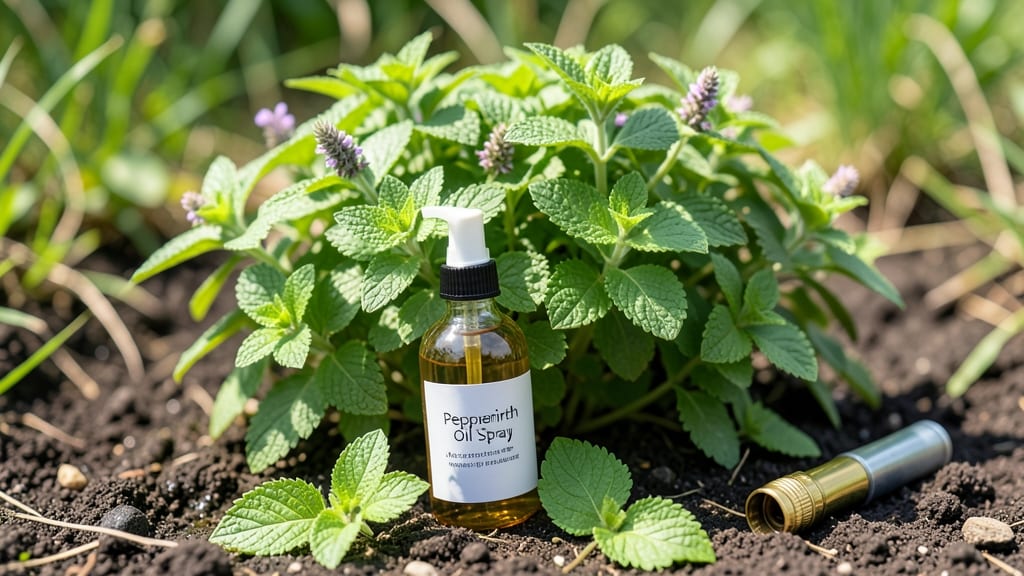
Peppermint oil for garden pests effectively repels ants, aphids, and spider mites by overwhelming their scent receptors with menthol compounds, breaking their chemical communication trails. Mix 10-15 drops per quart of water and spray directly on affected plants or soil borders, reapplying every 3-5 days while avoiding direct sunlight exposure.
This natural pest deterrent works because its high menthol concentration confuses insects' navigational systems, making it harder for them to locate food sources or mates. 🌿 Unlike synthetic pesticides, peppermint oil breaks down quickly in sunlight, so applications should happen in the early morning or evening.
I’ve found it particularly effective against aphids, which are drawn to the scent of many plants but repulsed by peppermint’s intensity. For best results, combine with a mild soap solution to help the oil adhere to plant surfaces.
When using peppermint oil in your garden, always test a small area first—some plants, like mint family members, may show sensitivity. The key is consistency; pests often return if the scent fades between treatments.
I recommend storing your diluted solution in a dark spray bottle to preserve its potency for up to two weeks.
💡 In This Article
- How Peppermint Oil Disrupts Pest Behavior
- Safe Application Methods for Peppermint Oil in Gardens
How peppermint oil disrupts pest behavior
The power of peppermint oil lies in its menthol content (up to 50% by volume), which acts as a chemical disruptor for insects. When sprayed, the menthol molecules bind to the same olfactory receptors that pests use to detect food, mates, and even danger.
For ants, this scrambles their pheromone trails—the chemical highways they follow to food sources—making them wander aimlessly. 🔥 Studies show ants exposed to menthol exhibit 20-30% reduced foraging efficiency within minutes of contact.
Soft-bodied insects like aphids and spider mites are especially vulnerable because their nervous systems process scent cues differently than hard-shelled pests. The menthol triggers a hyperstimulation response in their antennae, overwhelming their sensory processing centers.
This creates a confusion effect where they can't distinguish between harmful and safe stimuli, leading to feeding cessation. Unlike synthetic pesticides that kill outright, peppermint oil forces pests to relocate or starve by making your plants less appealing.
What makes this particularly effective is the oil's volatility. When applied, menthol evaporates quickly, creating a short-term scent barrier that lasts 24-48 hours before needing reapplication.
This rapid breakdown is why peppermint oil works best in early morning or evening applications—direct sunlight causes menthol to degrade within 30-60 minutes, reducing its efficacy. The scent profile also masks plant odors that attract pests, creating a dual defense mechanism.
For visual comparison, imagine ants following a chemical breadcrumb trail to a sugar source. Peppermint oil acts like suddenly erasing those crumbs while adding a foul taste to the remaining path.
This dual disruption—scent confusion + taste aversion—is why it works so well against colony-based pests like ants that rely on group communication. The effect is temporary but powerful enough to force pests to seek new territories when applied consistently.
Interestingly, peppermint oil's effectiveness varies by pest species due to differences in their sensory thresholds. Spider mites, for example, have 10x more sensitive olfactory receptors than aphids, making them more responsive to even diluted solutions.
This is why gardeners often see faster results with spider mite infestations compared to other soft-bodied insects. The oil's alcohol-soluble menthol compounds also help it penetrate waxy plant surfaces better than water alone.
One common misconception is that peppermint oil kills pests outright. In reality, it's a behavioral modifier—disrupting their ability to function normally rather than causing immediate death. This makes it particularly valuable for organic gardening systems where maintaining ecosystem balance is crucial.
The lack of toxicity to plants (when properly diluted) and beneficial insects like ladybugs further enhances its appeal as a targeted pest control solution. 💫