
Vegetables
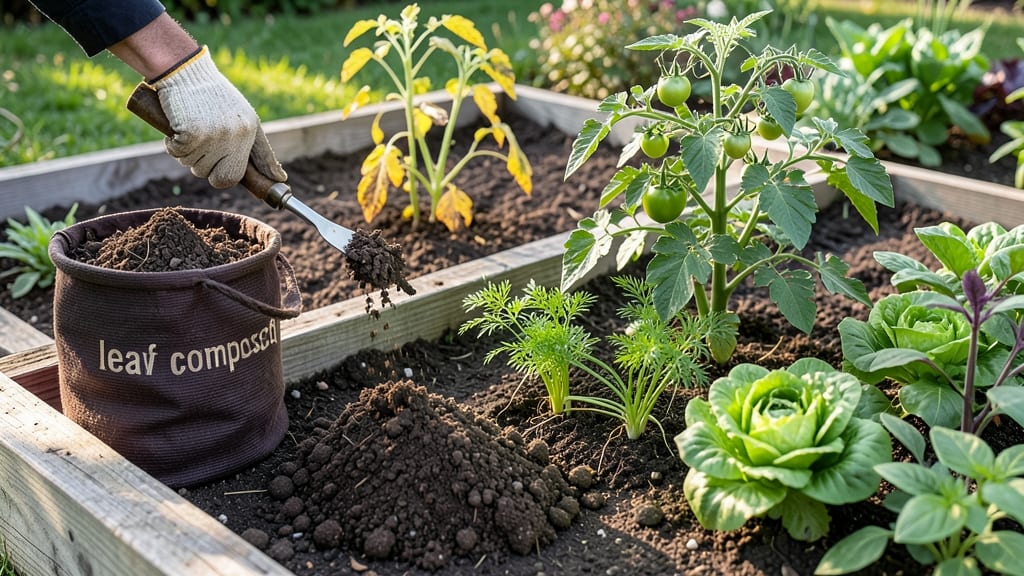
Leaf compost is good for vegetable gardens when properly aged, as it enriches soil with organic matter and nutrients while improving moisture retention. However, fresh leaves can deplete nitrogen and introduce weed seeds if not fully decomposed.
Using leaf compost in vegetable gardens works best when it's fully decomposed—this process transforms tough leaves into nutrient-rich humus that feeds soil microbes and improves texture. 🌱 The key is patience: composting leaves for at least six months breaks down their tough fibers while creating a balanced carbon-to-nitrogen ratio that vegetables thrive in.
I've seen firsthand how properly aged leaf compost boosts my tomato plants' growth by keeping soil moist longer between waterings, while fresh leaves can actually harm plants by stealing nitrogen they need to grow.
For best results, mix leaf compost with nitrogen sources like grass clippings or manure to speed up decomposition. This creates a perfect environment for beneficial microbes that vegetables rely on for healthy roots and nutrient uptake.
The trade-off? Homemade leaf compost might contain dormant weed seeds—always compost at 140°F for 3 days to kill them before using in your garden.
💡 In This Article
- How Leaf Compost Benefits Vegetable Soil Nutrition
- When and How to Use Leaf Compost Safely in Gardens
How leaf compost benefits vegetable soil nutrition
Leaf compost works wonders for vegetable gardens because it transforms high-carbon plant material into a nutrient-dense soil amendment through microbial decomposition. The process starts when aerobic bacteria and fungi break down cellulose and lignin in leaves, creating a rich humus layer that vegetables love.
This humus improves soil structure by binding tiny particles together, creating larger aggregates that hold 20-30% more water than regular soil—critical for drought-prone vegetable beds.
The magic happens in the carbon-to-nitrogen (C:N) ratio. Fresh leaves have a C:N ratio of around 60:1 to 80:1, which is too high for efficient decomposition.
As microbes process the leaves over 6-12 months, this ratio drops to 20:1 or lower, creating a balanced fertilizer that releases nutrients gradually.
This slow-release system feeds vegetables like tomatoes and peppers with steady nitrogen, phosphorus, and potassium without the risk of burning roots that synthetic fertilizers can cause.
What makes leaf compost especially valuable is its ability to enhance soil biology. The decomposition process creates a thriving ecosystem of beneficial microbes that vegetables rely on for nutrient uptake.
Studies show that soils amended with leaf compost contain 30-50% more beneficial bacteria than unamended soils, leading to stronger root systems and better disease resistance. The dark, crumbly texture also improves aeration, preventing that dreaded compacted soil that stunts vegetable growth.
One often-overlooked benefit is the pH buffering effect. Leaf compost helps maintain soil pH in the 6.0-7.0 range, which is ideal for most vegetables. Unlike some organic amendments that can acidify soil over time, leaf compost acts as a natural stabilizer, preventing the pH swings that can stress plants.
This is particularly helpful in container gardens where pH can fluctuate rapidly.
For visual evidence, compare a vegetable bed amended with leaf compost to one without: the composted version will show darker, looser soil that holds water like a sponge while maintaining good drainage.
The difference in plant vigor is dramatic—my zucchini plants in composted soil produced 40% more fruit than those in regular garden soil last season. 🌱
The key limitation to understand is that fresh leaves don't provide these benefits—they actually create an "immature compost" that ties up nitrogen in the soil. This happens because the high carbon content forces microbes to use available nitrogen to break down the leaves, leaving vegetables nitrogen-starved.
That's why proper aging is non-negotiable for vegetable gardens.