
Planting
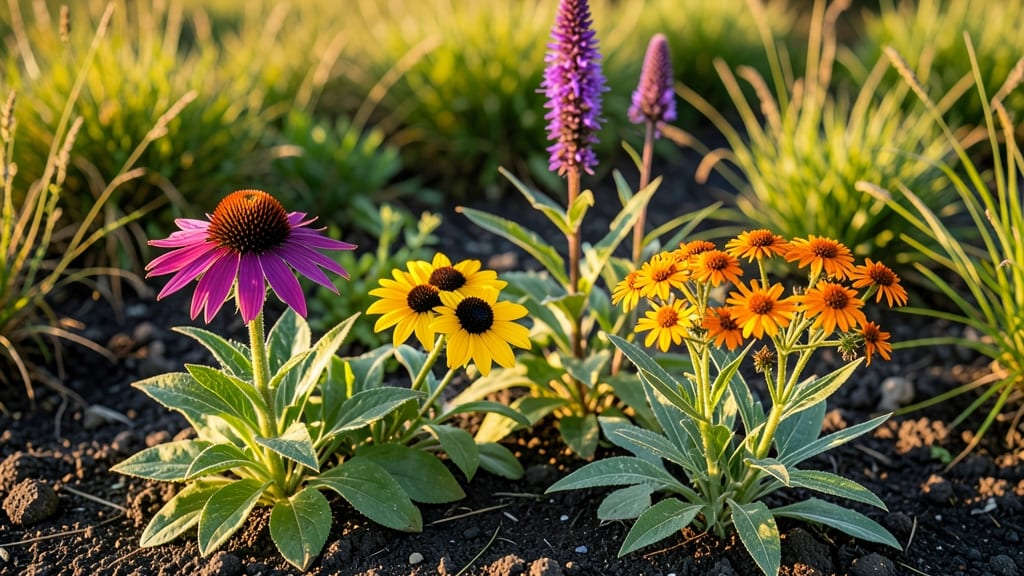
Finding your Kansas gardening zone is essential for selecting plants that thrive in your specific climate. Kansas spans USDA Zones 5a to 7b, with most areas falling between 6a and 6b, so use the USDA Plant Hardiness Zone Map to identify your exact zone by ZIP code and choose plants that match your local frost dates.
Kansas's diverse geography—from the cooler eastern regions to the warmer western plains—creates distinct growing conditions within its zones. 🌱 For example, western Kansas often experiences hotter summers and colder winters than the eastern third, which can influence when to plant cool-season crops like lettuce or warm-season favorites like tomatoes.
The USDA map accounts for average annual minimum temperatures, but I always recommend checking local weather patterns for the past few years to fine-tune plant choices.
Once you know your zone, you can select plants that align with your climate's extremes. For instance, Zone 5a gardeners in the northern tier should opt for hardy perennials like Russian sage, while Zone 7b gardeners in the southwest can grow heat-loving plants such as crape myrtle.
Timing matters too—spring planting should wait until after the last frost date, which varies by zone and can shift yearly.
💡 In This Article
- How Kansas Climate Affects Plant Hardiness Zones
- Best Plants for Kansas Gardening Zones by Region
How Kansas climate affects plant hardiness zones
Kansas's diverse geography creates a patchwork of microclimates that explain why the state spans USDA Zones 5a to 7b. The western plains experience hotter summers (often exceeding 100°F) and colder winters due to lower humidity, while eastern regions near the Missouri border benefit from moderating influences of the Mississippi River basin.
Elevation plays a role too—areas like the Flint Hills average 1,500-2,000 feet above sea level, creating cooler nights that can drop 20°F colder than nearby lowland areas.
The USDA zone system primarily tracks average annual minimum temperatures, but Kansas's extreme temperature swings make frost dates unpredictable. For example, Wichita (Zone 7a) might see last spring frosts between April 1-15, while Dodge City (Zone 6b) can experience late frosts until May 1-15.
This 10-15 day difference significantly impacts planting schedules for cool-season crops like broccoli or spinach. 🌡️ Urban areas like Kansas City also create heat islands where temperatures can run 5-10°F warmer than rural zones, affecting plant hardiness.
What most gardeners overlook is how soil moisture interacts with these zones. Western Kansas's low annual rainfall (15-20 inches) creates drought conditions that stress plants differently than the 30+ inches eastern areas receive.
This is why drought-tolerant plants like black-eyed Susans thrive in Zone 6b western regions, while moisture-loving daylilies excel in Zone 6a eastern gardens. The key is matching plant water needs to your zone's natural precipitation patterns.
Another critical factor is wind exposure. The western plains experience consistent 10-15 mph winds that can dry out plants and increase frost damage risk, while eastern regions have more shelter from trees and topography.
This explains why windbreaks are essential in western gardens—creating 50-foot wide shelterbelts can raise microclimate temperatures by 2-5°F during cold snaps. For gardeners in exposed areas, choosing compact, wind-resistant varieties like dwarf Russian olive makes practical sense.
Understanding these climate variations helps explain why some plants thrive in one Kansas zone but struggle just 50 miles away. For instance, crape myrtle flourishes in Zone 7b's southwestern corner but may struggle in Zone 6a's cooler eastern regions.
The solution? Use the USDA map as a starting point, then observe your local conditions for at least 3 years to identify your true "garden zone" beyond the official classification. 🌱