
Tools
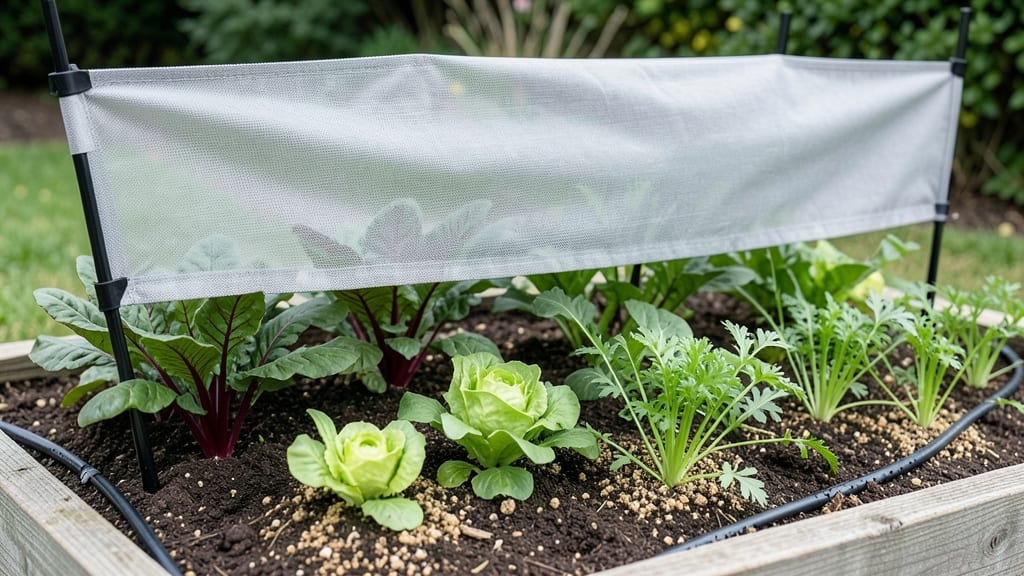
Shade cloth for garden beds protects plants from excessive sunlight by filtering UV rays, with percentage ratings (30%-90%) dictating how much light passes through. Choose based on plant type, climate, and desired growth conditions—lighter shades suit heat-sensitive crops, while denser options work for tropical or high-light areas.
This lightweight fabric isn't just about reducing glare—it regulates temperature and prevents sunburn on delicate foliage. 🌿 For instance, a 30%-50% shade cloth creates the ideal environment for leafy greens like spinach or lettuce, which bolt in intense heat, while 70%-90% coverage protects heat-loving tropical plants from scorching.
The right percentage can also extend growing seasons in hot climates by keeping soil cooler and reducing water evaporation.
When selecting, consider your local climate and plant maturity. Young seedlings often need more protection than established plants, and some crops—like tomatoes—require gradual shade adjustment to avoid stress. I recommend testing different percentages in small sections first to observe how your plants respond.
💡 In This Article
- How Shade Cloth Percentages Affect Plant Growth
- Selecting the Best Shade Cloth for Your Garden Plants
How shade cloth percentages affect plant growth
The percentage rating on shade cloth directly correlates to how much sunlight reaches your plants. A 30% shade cloth blocks 30% of light while allowing 70% through, creating a gentle filter ideal for heat-sensitive crops like basil or cucumbers.
This level reduces leaf scorch while maintaining sufficient photosynthesis for growth. Meanwhile, a 90% cloth blocks 90% of light, creating near-shade conditions perfect for tropical plants like ferns or young citrus trees that would otherwise suffer from sunburn.
Beyond light reduction, these fabrics influence temperature and humidity in measurable ways. Under 50% shade cloth, soil temperatures can drop by 10-15°F compared to full sun, while 70% coverage may reduce temperatures by 15-20°F.
This cooling effect extends growing seasons in hot climates and prevents bolting in leafy greens. The denser weave also traps more moisture near plant foliage, increasing humidity by 5-10%—critical for plants like lettuce that appreciate consistent moisture levels.
Photosynthesis provides the key mechanism here. Plants need specific light wavelengths (400-700nm) for optimal growth, and shade cloth filters out the most intense UV rays (below 400nm) while preserving beneficial light.
For example, tomatoes thrive under 30-50% shade during peak summer, as this balance prevents sunscald on fruits while maintaining vigorous growth. The right percentage essentially creates a "Goldilocks zone" of light intensity that matches each plant's evolutionary adaptations.
Consider how different crops respond: Leafy greens like spinach prefer 30-50% shade to prevent bolting, while fruiting plants such as peppers tolerate 50-70% shade better. Succulents and cacti, however, often need 30% or less to avoid etiolation (stretched, weak growth) from insufficient light.
The fabric's weave also affects airflow—tighter weaves reduce evaporation but may trap heat if not properly ventilated.
Seasonal adjustments matter too. In spring/fall, you might use 30-40% shade to protect young plants, then increase to 50-60% in summer when temperatures peak.
The key is monitoring plant responses: yellowing leaves suggest too much shade, while crispy edges indicate insufficient protection. 🌱 For precise control, many gardeners use adjustable hoops with removable shade layers to fine-tune coverage as seasons change.
Advanced gardeners often combine shade cloth with reflective mulches or drip irrigation. The mulch reflects additional light downward while the irrigation maintains optimal moisture levels under the cloth.
This multi-layered approach can improve growth rates by 20-30% compared to using shade cloth alone, demonstrating how these percentages become just one piece of a larger environmental puzzle.