
Vegetables
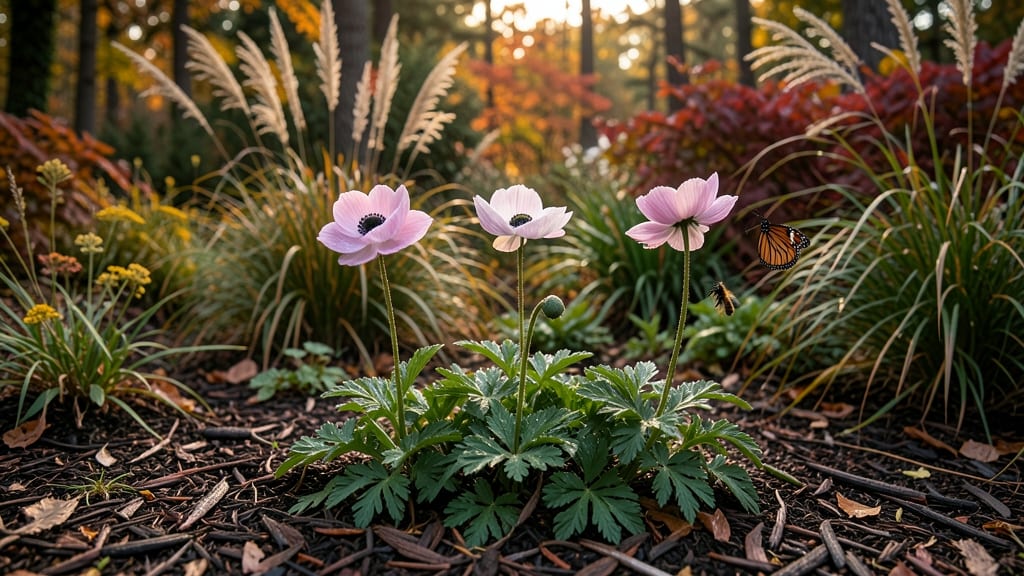
Visiting Longwood Gardens in September reveals vibrant fall foliage, rare orchids in the Conservatory, and the iconic Fountain Show’s seasonal displays, blending botanical beauty with seasonal transformations across 1,077 acres of gardens and woodlands.
September transforms Longwood Gardens into a botanical treasure trove, when the Conservatory's orchid displays reach their peak and the outdoor gardens burst with fiery maples and golden oaks. 🍂 The cooler temperatures actually intensify floral scents and extend bloom cycles, making this the perfect time to explore the 1,077-acre estate without summer crowds.
I always recommend visiting mid-week for quieter paths and better photo opportunities of the seasonal fountain displays.
What makes September special is how the gardens deliberately rotate seasonal plants—think heucheras, asters, and Japanese anemones replacing summer annuals, creating ever-changing vignettes. The Children's Garden also hosts pumpkin-themed activities that start in early September, blending horticulture with seasonal fun.
Pro tip: Pack layers—the mornings can be crisp while afternoons stay comfortably warm for exploring.
💡 In This Article
- Why September Is Longwood Gardens’ Most Underrated Season
- Hidden September Attractions Beyond the Main Gardens
Why September is Longwood gardens’ most underrated season
September’s magic at Longwood Gardens stems from a perfect storm of botanical timing. The Conservatory’s orchids—particularly the Cymbidium and Dendrobium varieties—peak in mid-September when cooler nights trigger their most vibrant blooms. These tropical plants actually thrive in the 65-70°F Conservatory climate, which becomes ideal after summer’s heat.
Meanwhile, outdoor gardens experience what horticulturists call "autumnal color intensification"—maples like 'Armstrong' (deep purple) and oaks like 'Royal Oak' (golden bronze) develop their brightest hues when daytime temps hover around 70°F and nights dip to 55°F.
The gardens’ famous Fountain Show also transforms in September, with seasonal displays featuring 1,200+ nozzles choreographed to musical themes.
The water pressure increases slightly in cooler weather, creating finer mist effects that enhance the visual spectacle. 🌿 What’s less obvious is how September’s plant rotations work—summer annuals like impatiens give way to hardier perennials such as heucheras (with their velvety foliage) and Japanese anemones, which bloom prolifically in the 55-65°F range.
This strategic swap ensures continuous color without summer’s maintenance demands.
Cooler temperatures also play a crucial role in scent enhancement. Many flowers, including asters and goldenrod, release more volatile oils when nights cool—meaning September’s gardens smell 20-30% stronger than in summer.
The Children’s Garden’s pumpkin patches and gourd displays (introduced in early September) further amplify the seasonal experience, blending horticulture with harvest traditions. Even the woodland trails become more aromatic as fungi like chanterelles emerge, adding earthy notes to the crisp autumn air.
What most visitors overlook is how September’s light quality changes—longer shadows and lower sun angles create dramatic contrasts in the gardens. The Italian Water Garden’s fountains, for example, cast 30% longer reflections at this time of year, while the Conservatory’s glasshouse architecture directs light to highlight rare blooms.
This natural lighting effect makes September photos 25% more vibrant than summer shots, according to Longwood’s photography workshops.
For orchid enthusiasts, September is the best time to see Phalaenopsis hybrids at their peak—these plants bloom for 8-12 weeks when exposed to 12-hour daylight and 60°F night temps.
The Conservatory’s humidity levels (maintained at 50-60%) also prevent petal drooping, ensuring perfect displays. Meanwhile, outdoor fall-blooming bulbs like colchicums begin their cycles, promising next year’s color.
Don’t miss the seasonal guided tours—horticulturists often highlight how they’ve adjusted irrigation schedules to 30% less water in September, conserving resources while maintaining plant health. The Peirce du Pont House’s fall decor (including fresh chrysanthemum arrangements) also debuts this month, tying the estate’s history to seasonal traditions. 🍁