
Tools
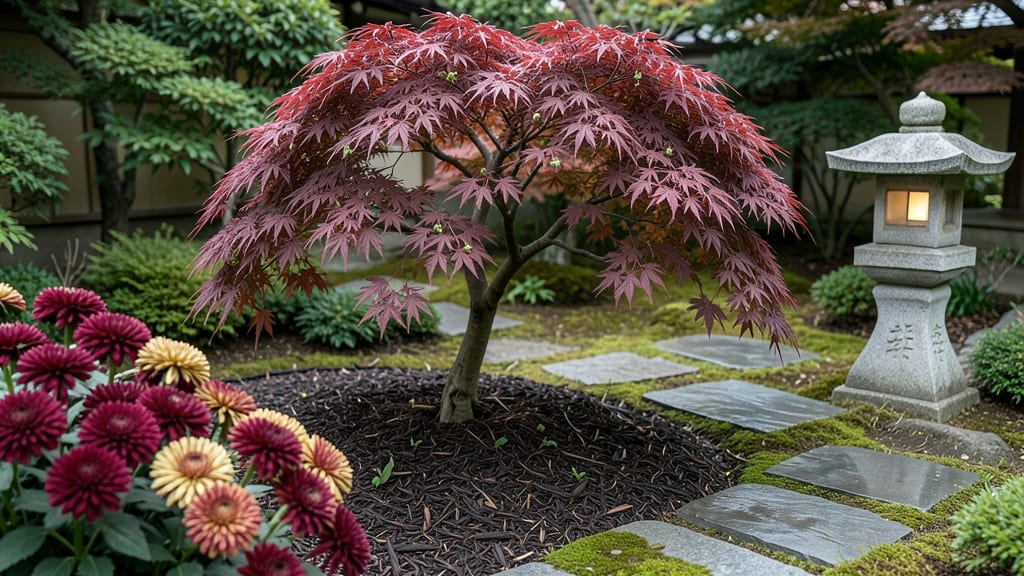
The Montreal Botanic Garden features over 22,000 plant species across 10 themed gardens, from the serene Japanese Garden to the vibrant Chinese Scholar’s Garden and Indigenous First Nations Garden, with seasonal highlights like spring tulip festivals and autumn foliage displays.
The Montreal Botanic Garden isn't just a collection of plants—it's a living museum where every garden tells a story. 🌿 Whether you're drawn to the meticulously designed Japanese Garden with its koi ponds and maple trees or the fragrant rose garden bursting with over 1,500 varieties, each section offers a unique botanical experience.
The First Nations Garden, in particular, showcases traditional medicinal plants used by Indigenous peoples, providing cultural context alongside scientific beauty. What makes this garden truly special is how it transforms with the seasons, offering something new to discover in every visit.
Beyond the plants, the garden hosts year-round events that bring its collections to life. 🌸 Spring brings the famous tulip festival, while summer features orchid shows and evening concerts. Even winter has its magic with light displays illuminating the gardens.
Pro tip: Weekdays tend to be less crowded, giving you more time to explore hidden gems like the alpine garden or the greenhouse collections.
💡 In This Article
- Exploring Montreal Botanic Garden’s Themed Plant Collections
- Best Times to Visit Montreal Botanic Garden by Season
Exploring montreal botanic garden’s themed plant collections
The Montreal Botanic Garden's 10 themed gardens each serve as a microcosm of global horticultural traditions and ecological zones.
The Japanese Garden, spanning 12 acres, is a masterpiece of wabi-sabi aesthetics with its 1,500-year-old maple trees, meticulously raked gravel paths, and three koi ponds home to 150 carp species.
Horticulturists here use traditional Japanese pruning techniques to maintain the garden's serene balance, where every element—from the 50 varieties of bamboo to the stone lanterns—follows strict seasonal rhythms. 🌿 The garden's autumn foliage transforms it into a fiery spectacle, with maples turning vibrant reds and oranges by mid-October.
The Chinese Scholar’s Garden, inspired by Ming Dynasty scholar retreats, features 3,000-year-old bonsai trees, a 100-meter-long pond with goldfish, and traditional pavilions where visitors can pause to admire calligraphy displays.
What sets this garden apart is its medicinal plant collection, including ginseng, goji berries, and peony roots, which are cultivated using organic farming methods approved by the Chinese Ministry of Agriculture.
The garden's stone bridges and moon gates create a labyrinthine experience that encourages contemplation, while the orchid conservatory houses 500 species, some dating back to the 19th century.
For those interested in Indigenous botanical knowledge, the First Nations Garden is a cultural and scientific treasure. This three-acre space showcases 150 plant species traditionally used by Anishinaabe, Haudenosaunee, and Innu peoples for medicine, food, and ceremonies.
Visitors can see wild rice (manoomin), tobacco (niyo), and sassafras roots—each labeled with both scientific names and Anishinaabemowin terms.
The garden's sensory trails allow you to touch soft mullein leaves or smell fragrant sweetgrass, while seasonal workshops teach visitors how to identify and use these plants sustainably. This garden bridges 40,000 years of Indigenous plant knowledge with modern horticulture. 🌿
The Alpine Garden, perched on a hilltop, recreates Arctic and alpine tundra ecosystems with 2,500 plant species from 65 countries, including Edelweiss, glacier lilies, and Arctic willows. The garden's microclimate system maintains temperatures as low as -10°C (14°F) in summer, allowing delicate Arctic plants to thrive.
Nearby, the Rose Garden bursts with 1,500 rose varieties, including 100-year-old heirloom roses and modern disease-resistant hybrids, arranged in color-themed sections that bloom sequentially from May to October. The garden's hydrangea collection features 200 cultivars, with flowers changing color based on soil pH—a fascinating scientific demonstration.
Don't overlook the Greenhouses, which house 10,000 tropical and subtropical plants in five climate-controlled environments. The Orchid Greenhouse is a highlight, featuring 2,000 orchid species, including rare Phalaenopsis and Cattleya hybrids that bloom year-round.
The Cactus and Succulent Greenhouse showcases 1,500 species, some over 100 years old, with desert landscapes that mimic their natural habitats. These greenhouses aren't just displays—they're living laboratories where researchers study plant adaptation, conservation, and climate resilience. 🌱
Each garden in the Montreal Botanic Garden tells a story—whether it's the Japanese Garden's Zen philosophy, the Chinese Scholar’s Garden's medicinal traditions, or the First Nations Garden's Indigenous stewardship. The key to appreciating these collections is visiting at different times of year to witness their transformations.
For example, the Japanese Garden's maples peak in late October, while the rose garden reaches its zenith in July, and the alpine garden offers a snowy winter wonderland from December to March.
The garden's horticultural team carefully selects plants that thrive in Montreal's Zone 5b climate, ensuring year-round beauty despite harsh winters.