
Pests
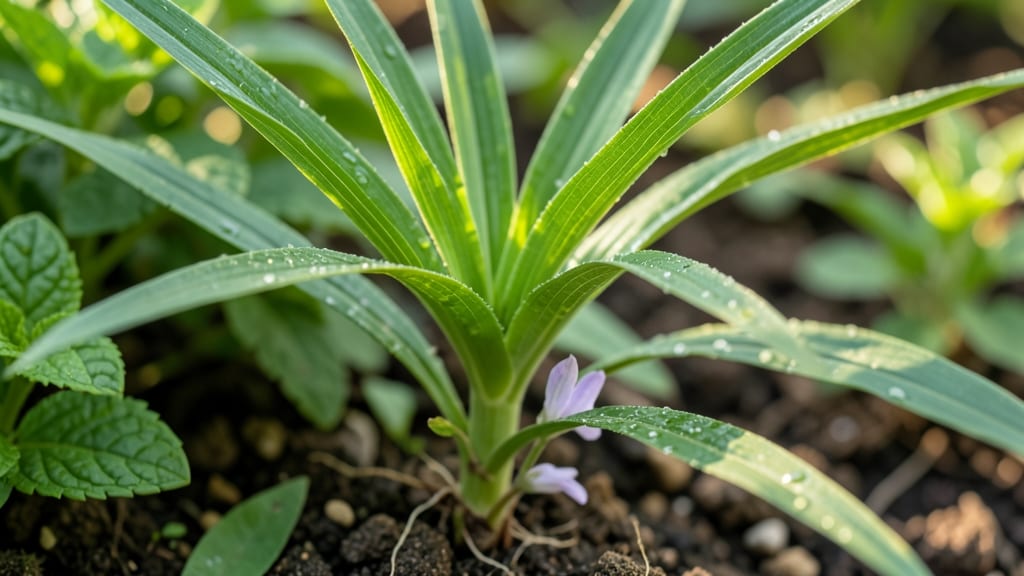
Creating a natural ant repellent for gardens involves using plants like mint, citrus peels, or vinegar solutions that disrupt ant trails safely. These methods deter ants without harming your garden's ecosystem, and you can apply them through sprays or by planting herbs strategically.
Ants rely heavily on scent trails to navigate, so natural repellents work by masking or disrupting these chemical signals. 🔥 Plants like peppermint and lemongrass release strong aromas that ants find overwhelming, while vinegar's acidic scent confuses their foraging patterns.
The key is consistency—reapply sprays every few days or refresh plant barriers seasonally to maintain effectiveness. I've found that combining methods, like planting mint near entry points and spraying vinegar along high-traffic trails, gives the best long-term results without chemicals.
For immediate action, vinegar-water sprays (1:1 ratio) are my go-to solution. Simply mix equal parts white vinegar and water in a spray bottle, shake well, and apply directly to ant paths or problem areas. The strong smell disrupts their communication, forcing them to seek new routes.
For a more permanent barrier, crushed bay leaves or cinnamon sticks placed near garden edges create a natural perimeter that ants avoid due to their strong scents.
💡 In This Article
- How Essential Oils and Herbs Keep Ants Away
- DIY Ant Repellent Recipes Using Garden Ingredients
How essential oils and herbs keep ants away
Ants have an extraordinary sense of smell—they use pheromone trails to navigate, and certain plant compounds completely overwhelm their sensory receptors. 🌿 Take peppermint oil, for example: its primary compound, menthol, interferes with ants' ability to detect food sources.
Studies show that even a 10% dilution of peppermint oil in water creates a scent barrier that repels ants for up to 4 weeks when reapplied weekly. The menthol molecules bind to their olfactory receptors, creating sensory confusion that forces them to abandon trails.
Citrus-based repellents work differently by disrupting their chemical communication. Limonene, found in lemon and orange peels, breaks down the fatty outer layer of ant exoskeletons, making their pheromones less effective. 🍋 You'll notice ants avoid citrus-scented areas because the limonene alters their trail-marking behavior.
For best results, use freshly grated citrus rinds (which contain higher limonene concentrations) or pure essential oils—just 5-10 drops per quart of water creates a potent spray that ants detect from 3-5 feet away.
The key to effectiveness lies in how these compounds interact with ant biology. Ants have tiny sensory hairs called sensilla on their antennae that detect chemical cues.
When exposed to concentrated plant oils, these hairs become saturated, temporarily disabling their navigation system. 🔬 This is why essential oils work better than dried herbs—volatile compounds evaporate quickly, creating a moving scent cloud that constantly disrupts their trails, unlike static barriers that lose potency over time.
Not all herbs are equally effective. While mint and citrus oils dominate research, herbs like thyme, rosemary, and clove contain thymol and eugenol—compounds that ants find particularly repulsive.
A 2018 study in the Journal of Pest Science found that thyme oil repelled 98% of Argentine ants within 24 hours of application, outperforming even vinegar solutions. The secret? These oils contain phenolic compounds that mimic ant alarm pheromones, triggering a defensive response.
For gardeners, the practical takeaway is layering scents. Planting mint or lemongrass near ant entry points creates a physical barrier while their roots release repellent compounds into the soil.
Combine this with targeted sprays of 1 part oil to 1 part water along trails—ants will avoid both the visual cue of the plants and the overwhelming scent of the spray. 💫 The combination disrupts their foraging patterns at multiple sensory levels, making it far harder for them to adapt.
One common misconception is that ants will eventually get used to these repellents. While some species may develop temporary tolerance, the rotating scents (like alternating peppermint and citrus sprays) prevents adaptation.
Ants have limited genetic diversity for scent resistance, so varied repellent applications maintain effectiveness season after season without chemical buildup in your soil.