
Tools
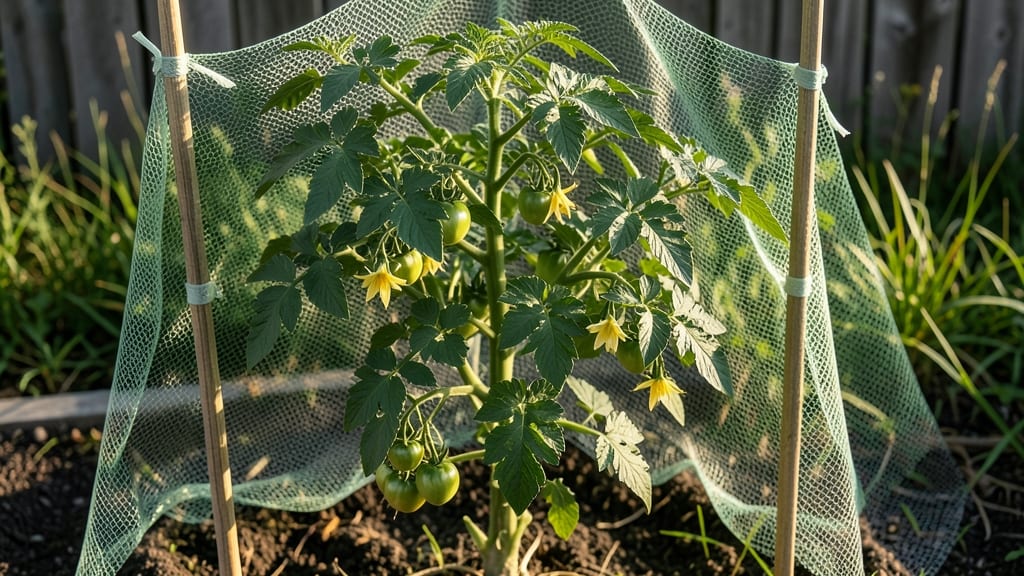
Using pest netting for gardens is one of the most effective ways to shield your plants from destructive insects, birds, and small animals without blocking essential sunlight, water, or airflow. Opt for fine-mesh fabric with holes no larger than 1/4-inch and install it snugly around raised beds or frames for optimal protection.
This protective barrier works by physically preventing pests from reaching your plants while maintaining the growing conditions they need. 🌱 The right mesh size—typically between 1/8-inch and 1/4-inch—stops most common garden pests like cabbage moths, squash bugs, and even hungry birds from accessing your crops.
I’ve found that polypropylene netting lasts longer than polyethylene in harsh weather, and UV-treated options prevent degradation from sun exposure. For raised beds, a lightweight frame with adjustable sides makes installation a breeze, while hoop houses work well for larger garden areas.
When setting up your netting, pay attention to how tightly you secure it—even small gaps can let pests slip through. Stakes, clips, or weights help keep it in place, and checking for tears or damage after storms is crucial.
Many gardeners also use reusable frames to make seasonal adjustments easier, whether you're protecting tomatoes in summer or extending the growing season in spring.
💡 In This Article
- How to Select the Right Pest Netting Material for Your Garden
- Step-by-Step Guide to Installing Garden Pest Netting for Maximum Protection
How to select the right pest netting material for your garden
The mesh size of your garden netting determines what pests it can block. For most common garden insects like aphids or cabbage moths, a 1/8-inch to 1/4-inch mesh creates an effective barrier.
Larger pests such as birds or squirrels require 1/2-inch mesh or larger holes, but finer meshes (like 1/16-inch) are ideal for delicate crops like strawberries where even small pests can cause damage.
The key is understanding the size of your target pests—cabbage worms, for example, are about 1/4-inch long, so a 1/8-inch mesh will stop them while still allowing airflow.
Material choice affects durability and breathability. Polypropylene netting is the gold standard for gardens because it resists UV degradation better than polyethylene, lasting 3-5 years with proper care. Polypropylene also holds its shape better in wind, which is critical for maintaining a tight seal around your plants.
UV-treated versions are a must for sunny climates, as untreated fabrics can become brittle and tear within a single growing season. Breathability is another factor—look for fabrics with at least 50% open area to ensure your plants still get adequate airflow and sunlight.
Color matters too, though it’s often overlooked. White or light-colored netting reflects sunlight better, reducing heat buildup that can stress plants, while darker shades absorb more heat. However, white netting can be more visible to pests like birds, who might peck at it.
A compromise is light green or beige netting, which blends better with foliage while still allowing sunlight through. For high-value crops like berries, consider fine-mesh netting with a slight tint to deter pests without sacrificing visibility.
Durability depends on how you handle the netting. Heavy-duty polypropylene with 10-15 lb test strength can withstand rain, wind, and occasional pest chewing, while lighter-weight options may tear under stress. Reinforced edges and hemmed seams prevent fraying, which is especially important if you’re using it year-round.
For raised beds, a 1/4-inch mesh with reinforced corners is a great balance between protection and ease of use. Always check the manufacturer’s weight rating—some nettings are designed for lightweight hoop houses, while others can support heavier structures like trellises.
Seasonal use also impacts material selection. If you’re using netting for spring and fall crops, a mid-weight polypropylene with UV treatment will suffice. But for year-round protection, invest in a heavier-duty fabric with anti-mildew treatment to prevent mold in damp conditions.
Some gardeners even double up netting layers for high-value crops, combining a fine inner layer (1/16-inch mesh) for insects with a coarser outer layer (1/2-inch mesh) to deter birds. This layered approach adds cost but maximizes protection.
Finally, consider how the netting integrates with your garden setup. For raised beds, lightweight, flexible netting that can be draped and secured with clips is easiest. For hoop houses or tunnels, look for netting with built-in grommets or reinforced stitching to attach to frames.
If you’re DIYing, measure your garden’s dimensions carefully—netting that’s too tight can restrict plant growth, while too-loose fits let pests slip through. 🌿