
Tools
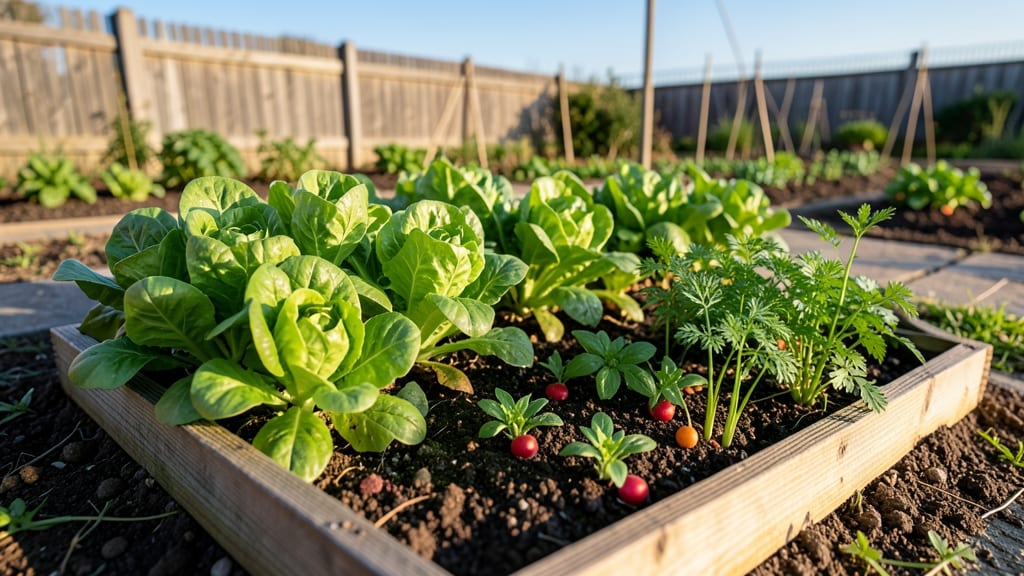
A gardening plot creates structured planting zones that optimize space by aligning crops with their ideal growing conditions, whether it's sunlight, moisture, or soil composition. This intentional arrangement boosts yields, simplifies maintenance, and reduces pest spread while letting you tailor the design to your yard's unique shape and size.
A gardening plot transforms your outdoor space into a high-performance growing system. 🌱 By grouping plants with matching needs—like tomatoes and basil in sunny spots—they thrive together while minimizing wasted effort.
For small yards, consider narrow raised beds that fit between walkways, while larger properties can accommodate wide rectangular plots with dedicated paths. The key is balancing aesthetics with function, whether you're growing herbs in containers or vegetables in full-size rows.
What sets effective plots apart is their adaptability. 💫 Need more growing room? Add vertical trellises for vining plants. Working with limited space? Try square-foot gardening, where each square foot is allocated to specific crops.
The beauty of a well-planned plot is that it grows with you—starting small and expanding as your confidence (and harvests!) increase.
💡 In This Article
- How to Design a Functional Garden Plot Layout
- Best Plot Shapes and Sizes for Small vs Large Yards
How to design a functional garden plot layout
Designing a functional garden plot starts with understanding your space's sunlight patterns—most vegetables need 6-8 hours of direct sun daily, while leafy greens tolerate partial shade.
Begin by mapping your yard: trace the path of sunlight across different hours using a simple sketch or app like Garden Planner.
For example, tomatoes and peppers thrive in full sun, so place them where the sun lingers longest, while herbs like cilantro prefer morning light to avoid wilting in afternoon heat. 🌞 This strategic grouping reduces water waste by ensuring plants with similar needs share the same irrigation zone.
The plot dimensions should align with your mobility and maintenance goals. A 4-foot-wide bed is ideal for most gardeners—wide enough for diverse crops but narrow enough to reach the center without stepping on soil.
For raised beds, standard sizes like 4' x 8' or 3' x 6' work well, as they fit standard lumber and tools. Soil depth matters too: aim for 12-18 inches of loose, nutrient-rich soil to accommodate root growth.
Test your soil's pH (ideal range: 6.0-7.0) and amend with compost or organic matter to improve drainage and fertility.
Companion planting is where the magic happens—pairing plants that benefit each other, like basil with tomatoes (which improves flavor and deters pests) or carrots with onions (which repel carrot flies). Avoid planting brassicas (cabbage family) near alliums (onions, garlic), as they compete for nutrients.
A well-planned plot might feature a sunny border for tomatoes and peppers, a partial-shade section for lettuce, and a herb spiral in the corner where moisture levels vary. This zoning minimizes pest spread and makes harvesting easier by grouping related plants together. 🌱
Accessibility is often overlooked but critical. Design paths (at least 2 feet wide) between beds for easy movement, especially if you have mobility challenges. For urban gardens, consider vertical plots—trellises for cucumbers or pole beans save space while improving air circulation.
In larger plots, add perennial borders (like lavender or rosemary) to define edges and attract pollinators. The goal is to create a layout that feels intuitive to navigate, reducing stress and increasing your enjoyment of the space.
Finally, think about seasonal rotation. Crops like potatoes deplete soil nutrients, while legumes (beans, peas) replenish them. Plan your plot to rotate families of plants annually—this breaks pest and disease cycles. For instance, if you grew tomatoes in a bed this year, plant beans or peas there next season.
This practice keeps your soil healthy and your yields consistent over time. 💫 A well-designed plot isn’t just about what you grow today but how you’ll nurture the land for years to come.