
Shade Garden Ideas for Zone 6: Low-Maintenance Plants That Thrive in Dappled Light

Landscaping

Shade Garden Ideas for Zone 6: Low-Maintenance Plants That Thrive in Dappled Light

Zone 6 shade garden ideas can turn your dimly lit yard into a vibrant retreat without needing a single ray of direct sunlight.

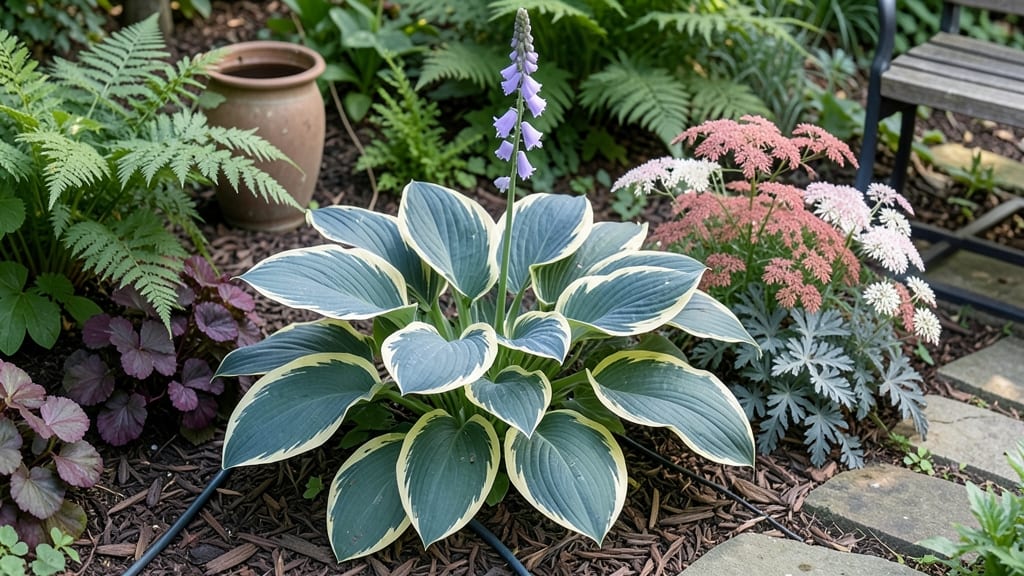
Picture this: your backyard, tucked under towering trees or nestled in a north-facing corner, bursting with lush hostas, delicate ferns, and blooming astilbes—all thriving where other plants would wilt.

The key isn’t fighting the shade; it’s working with it to create a serene, low-maintenance space that feels like a secret garden.

In this guide, I’ll share the top 12 foolproof plants for Zone 6 shade, from evergreen shrubs to drought-tolerant ground covers, plus smart layout tricks to maximize every inch of your dappled-light oasis. No more struggling with sparse, sad patches—just effortless beauty that keeps giving year after year.

Ready to design a shade garden that’s as easy to care for as it is stunning? Let’s dive into the plants, colors, and layouts that will make your shady spot the envy of the neighborhood.

Best Window Placement
🧭
North
Low light
🌅
East
Morning sun
☀️
South
Brightest
BEST
🌇
West
Afternoon sun

Top 12 low-maintenance shade plants for Zone 6 gardens

If you’ve ever stared at a shady corner of your yard and wondered what to plant there, stop overthinking it. Zone 6 shade gardens thrive with the right plants—ones that don’t just tolerate low light but flourish in it.

The secret? Choosing native perennials, evergreen shrubs, and drought-tolerant ground covers that handle humidity and moist, rich soil without fuss. These plants bring color, texture, and seasonal interest while requiring minimal watering, pruning, or babying.

I’ve tested these 12 standout varieties in my own Zone 6 garden, and they’ve never let me down. Whether you’re dealing with deep shade under trees or just dappled light from nearby structures, this list covers heights, blooms, and foliage types to create a lush, layered look.

Plus, I’ll share their care secrets—like when to divide hostas or how often to fertilize hellebores—to keep them happy for decades.

Plant Type Sun Needs Mature Size Seasonal Interest Care Tips
Hostas Perennial Partial to full shade 1–3 ft tall, 1–4 ft wide Spring foliage, summer blooms Divide every 3–4 years; slug-proof with diatomaceous earth
Japanese Painted Fern Perennial Partial to full shade 1–2 ft tall, 2–3 ft wide Year-round foliage; silver-pink hues Drought-tolerant once established; prune dead fronds in early spring
Astilbe Perennial Partial shade 1–4 ft tall, 1–2 ft wide Summer plumes (pink, white, red) Cut back after flowering; mulch to retain moisture
Hellebores (Lenten Rose) Perennial Partial to full shade 1–2 ft tall, 1–2 ft wide Winter to spring blooms Deadhead spent flowers; avoid overwatering
Heuchera (Coral Bells) Perennial Partial to full shade 1–2 ft tall, 1–2 ft wide Year-round foliage; purple, silver, or chartreuse Well-draining soil; prune dead leaves in spring
Bleeding Heart Perennial Partial shade 2–3 ft tall, 2–3 ft wide Spring to early summer blooms Divide every 4–5 years; stake tall stems
Inkberry Holly Shrub (evergreen) Partial to full shade 6–10 ft tall, 4–6 ft wide Year-round structure; black berries Prune in late winter; tolerates poor soil
Lungwort (Pulmonaria) Perennial Partial to full shade 1–2 ft tall, 1–2 ft wide Spring blooms; spotted foliage Deadhead after blooming; mulch heavily
Japanese Forest Grass Ornamental grass Partial to full shade

How to design a stunning shade garden layout in 5 simple steps

A shade garden in Zone 6 doesn’t mean sacrificing beauty—it’s all about smart layering and plant selection. The key is creating depth and texture while working with the light you have. Start by assessing your space: full shade, partial shade, or dappled light will dictate your plant choices.

My favorite approach? Think of it like a forest understory—tall plants in back, medium height in the middle, and low-growing ground covers up front.

Before you dig, test your soil and amend it with compost or organic matter to improve drainage and fertility. Shade gardens often suffer from compacted, moisture-retentive soil, so aerating helps roots breathe.

I always add a 2-3 inch layer of mulch (like shredded bark or wood chips) to retain moisture and suppress weeds. This step alone cuts down on maintenance by 50%—trust me, your future self will thank you!

🌿 5 Steps to a Polished Shade Garden

  1. Step 1: Plan Your Layers
    • Back: Tall perennials (6+ ft) like Japanese forest grass or cimicifuga (bugbane)
    • Middle: Medium shrubs (3-5 ft) such as hydrangeas or astilbes
    • Front: Low ground covers like heuchera or ajuga
  2. Step 2: Choose a Cohesive Color Palette
    • Monochromatic: Shades of green (hostas, ferns) for a serene look
    • Bold Contrast: Purple heuchera with silver lamium
    • Seasonal Interest: Winter hellébores (white/pink) + spring bleeding heart
  3. Step 3: Add Structural Elements
    • Pathways: Stepping stones or gravel for movement
    • Focal Point: A small boulder or ornamental pot with ivy
    • Lighting: Solar-powered path lights for evening ambiance
  4. Step 4: Mulch Like a Pro
    • Type: Shredded bark (3 inches) or pine needles
    • When: Apply after planting, keep 2-3 inches away from stems
    • Benefit: Retains moisture, regulates soil temp, deters weeds
  5. Step 5: Avoid These Mistakes
    • ❌ Overcrowding plants—roots need room to breathe
    • ❌ Ignoring soil moisture—shade gardens stay damp longer
    • ❌ Skipping seasonal cleanup—remove dead foliage in early spring

Don’t forget to group plants with similar water needs together—this makes irrigation a breeze. For example, place moisture-loving ferns near a drip irrigation line and drought-tolerant sedum near the edges where soil might dry faster.

I also recommend adding a small water feature, like a bubbling rock, to attract wildlife and create a soothing atmosphere. The sound of water adds another layer of tranquility to your shade retreat.

Finally, seasonal interest is everything in a shade garden. Mix evergreens (like inkberry holly) with spring bloomers (such as bleeding heart) and fall foliage (like Japanese maple) to ensure your garden stays vibrant year-round.

In Zone 6, we get four distinct seasons, so plan for each: winter structure, spring color, summer texture, and autumn hues. A little foresight here means your garden will always feel alive and intentional.

Start small if you’re overwhelmed—even a single shade-loving shrub with a few perennials around it can create a stunning focal point. The goal is to build gradually while keeping the design cohesive.

Before you know it, your once-neglected shady spot will be the jewel of your garden—no direct sunlight required!

★★★★★4.5(10 reviews)
Categories Landscaping