
Tools
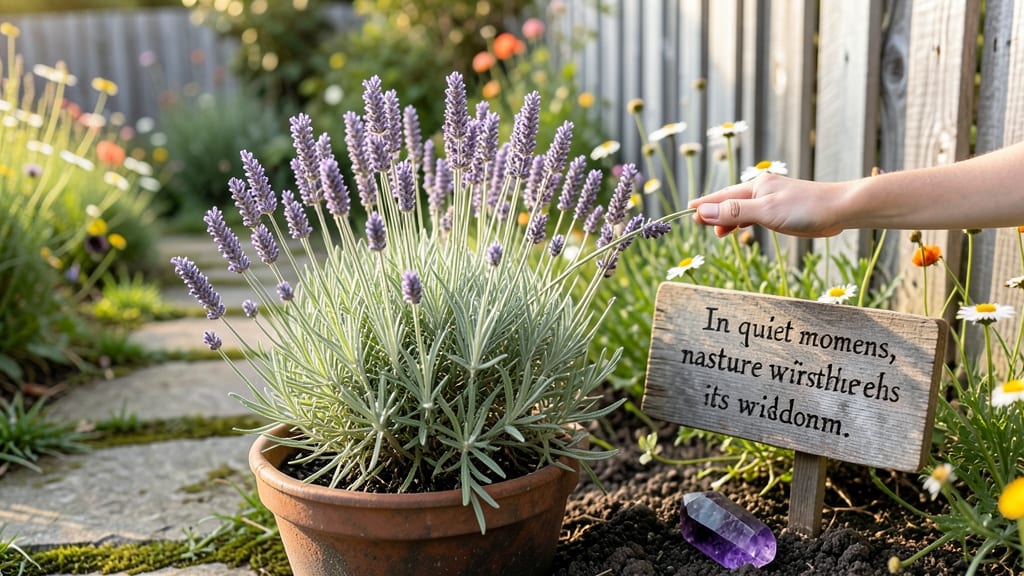
Spiritual gardening quotes create sacred moments in cultivation by weaving together earthly growth and inner reflection, often highlighting themes of patience, natural cycles, and the divine act of nurturing life. These words transform gardening into a mindfulness practice that nourishes both soil and soul.
These quotes often draw from ancient wisdom traditions that view plants as living teachers. 🌱 For example, many emphasize how gardening mirrors personal growth—just as seeds need time to sprout, humans must cultivate patience and trust in their own unfolding journeys.
The physical act of tending plants becomes a metaphor for self-care, where each watered leaf or pruned branch symbolizes releasing what no longer serves us.
What makes these quotes powerful is their ability to turn routine garden tasks into intentional rituals. Whether you're planting seeds in spring or harvesting in autumn, pairing your work with meaningful words can shift your perspective from chore to ceremony.
I've found that keeping a small notebook by my gardening tools helps me reflect on which quotes resonate most during different seasons—some feel right for the quiet work of spring, while others align with the abundant energy of summer.
💡 In This Article
- The Hidden Meanings Behind Classic Spiritual Gardening Quotes
- How to Use Spiritual Quotes to Transform Your Garden Practice
The hidden meanings behind classic spiritual gardening quotes
Many spiritual gardening quotes draw from Taoist philosophy, where gardening becomes a metaphor for harmony with nature's natural flow. For example, Lao Tzu's teachings about "following the Tao" translate beautifully into horticulture through quotes like "The flower that blooms in adversity is the most rare and beautiful."
This reflects how resilient plants like lavender or sunflowers thrive in challenging conditions, mirroring human strength during difficult times. The connection lies in how both plants and people grow most profoundly when they adapt rather than resist their environment.
Indigenous traditions often view plants as sacred teachers, with quotes emphasizing reciprocity. A Lakota proverb states, "The earth does not belong to us; we belong to the earth." This perspective transforms gardening into a reciprocal relationship where we give back to the land through compost, mulch, and mindful cultivation.
The physical act of planting seeds becomes a ritual of gratitude, where each seed represents a promise to care for the earth's future. This aligns with permaculture principles that view gardening as a form of ecological stewardship rather than mere production.
Christian mysticism also contributes rich symbolism to gardening quotes, particularly through the biblical Garden of Eden. St. Francis of Assisi famously said, "Preach the Gospel at all times, and when necessary, use words." In gardening, this translates to how plants themselves "preach" through their growth patterns, colors, and aromas.
A vibrant tomato plant bursting with red fruit becomes a living sermon about abundance and nourishment, while a struggling seedling teaches lessons about persistence. The act of tending these living sermons becomes a form of silent prayer.
What these quotes reveal is how gardening serves as a living meditation practice. Neuroscientific research shows that interacting with plants reduces cortisol levels by up to 37% while increasing serotonin production—similar to the effects of mindfulness meditation.
When paired with spiritual quotes, this physiological response deepens into what some call "sacred attention." The combination of physical labor, natural beauty, and meaningful words creates what psychologists term "flow states," where time seems to slow and presence becomes effortless.
Consider how different quotes function like garden tools—each with its own purpose. A quote about "planting seeds of intention" works beautifully during spring planting, while one about "harvesting gratitude" fits autumn's reflective mood. The key lies in selecting quotes that match your current garden phase and emotional state.
For instance, pairing a quote about "trusting the soil's wisdom" with the act of composting creates a powerful synergy between physical work and spiritual reflection.
The most transformative quotes often contain paradoxes that mirror gardening's contradictions. For example, "The more you prune, the more you grow" reflects how removing (pruning) actually enables growth—a concept that applies beautifully to emotional gardening practices.
This duality invites gardeners to see both the visible (plants) and invisible (inner growth) aspects of their work, creating a holistic cultivation experience that nourishes both hands and heart.