
Tools
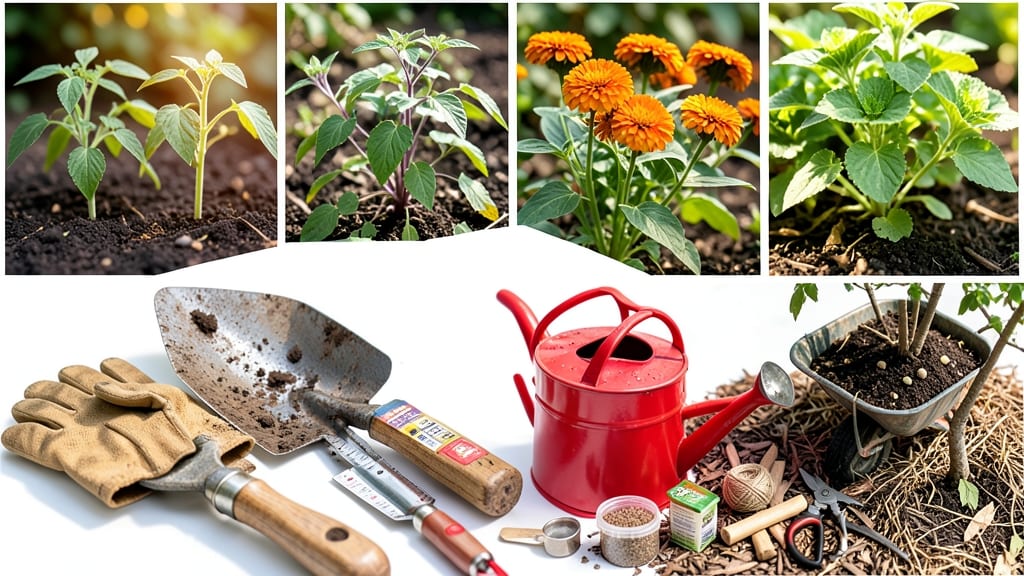
Gardening steps turn empty space into a thriving garden—whether you’re working with a tiny balcony or a sprawling backyard.
Picture this: You’ve cleared the soil, chosen your plants, and planted with confidence—only to watch them wilt because you missed the watering window or ignored the seasonal shifts. Avoiding those mistakes starts with knowing the right sequence, from soil prep to harvest.
This guide breaks down the essential stages of gardening—soil, seeds, water, and pests—so you can adapt to your climate, space, and skill level. No green thumb required, just a willingness to learn the rhythm of the earth.
You’ll leave with a clear, month-by-month checklist to keep your garden healthy year-round, plus tips to troubleshoot common pitfalls before they happen.
Seasonal gardening steps: a month-by-month planting & maintenance guide
Gardening isn’t a one-season wonder—it’s a year-round commitment that rewards patience with vibrant blooms and bountiful harvests. Each season brings unique tasks, from spring’s soil prep to winter’s protective measures. Understanding these monthly rhythms ensures your plants thrive regardless of climate or garden size.
Whether you’re a beginner with a small container garden or a seasoned grower with raised beds, timing is everything. Planting too early risks frost damage, while waiting too long can stunt growth.
Below, I’ve broken down the essential steps for each season, including planting schedules, soil care, and seasonal maintenance for vegetables, flowers, and herbs.
Pro Tip: Use a gardening journal to track your progress—note what works (and what doesn’t) to refine your approach year after year.
Spring is your garden’s rebirth. Start by testing your soil pH—most vegetables prefer 6.0-7.0. Amend with compost or aged manure to boost nutrients. For direct-sown seeds, like lettuce or radishes, wait until soil reaches 60°F—use a soil thermometer to check.
As temperatures rise in summer, water deeply in the morning to reduce evaporation and fungal risks. Mulch with straw or wood chips to retain moisture and suppress weeds. Herbs like basil and vegetables like tomatoes thrive with consistent moisture—aim for 1-2 inches per week.
Fall is perfect for cool-season crops like kale and carrots. Harvest before frost hits tender plants, but leave root vegetables in the ground—they’ll sweeten with cold exposure. Use row covers to extend the season for delicate greens.
Winter might seem dormant, but it’s critical prep time. Clean and sharpen tools, store summer plants indoors, and plan your next year’s layout. Compost kitchen scraps to create nutrient-rich soil for spring planting.
No matter the season, observe your garden daily. Adjust watering based on rainfall, prune dead growth, and remove diseased leaves immediately. A little proactive care prevents big problems later.
🌱 Start small if you’re overwhelmed—even a windowsill herb garden teaches you the basics of timing and care. With each season, you’ll refine your skills and create a self-sustaining ecosystem that rewards your efforts.
Critical gardening mistakes to avoid at every stage
Even the most enthusiastic gardeners can fall into common traps that stunt plant growth or invite pests. I’ve learned the hard way that overwatering is one of the sneakiest killers—it suffocates roots by cutting off oxygen, even when your plants look thirsty.
Another frequent misstep is poor soil selection, where heavy clay or sandy soil fails to retain nutrients, leaving plants struggling despite your best efforts.
Then there’s the classic spacing blunder—crowding plants too closely competes for sunlight and nutrients, while leaving them too far apart wastes space. And let’s not forget neglecting pest control until damage is visible; by then, it’s often too late to save your crop.
Each of these mistakes can derail your garden’s potential, but the good news is they’re all preventable with the right knowledge.
🚨 Warning Signs & Fixes
Overwatering: Yellowing leaves, moldy soil, or plants leaning away from light. Fix: Let the top inch of soil dry before watering and improve drainage with perlite or compost.
Poor Soil: Wilting despite watering or stunted growth. Fix: Amend soil with compost or use raised beds for better control over soil quality.
Incorrect Spacing: Leaf spots, slow growth, or plants toppling over. Fix: Check seed packets for spacing guidelines and thin seedlings early.
Pest Neglect: Chewed leaves, holes, or sticky residue. Fix: Inspect plants weekly and use neem oil or row covers as a preventive measure.
Let’s tackle overwatering first—it’s easier to fix than you think. Instead of watering on a schedule, stick your finger in the soil. If it’s damp past the first inch, wait.
For containers, use pots with drainage holes and a moisture meter to avoid guesswork. Drip irrigation is another game-changer; it delivers water slowly at the roots, reducing runoff and fungal risks.
When it comes to soil selection, don’t assume your backyard dirt is garden-ready. Test your soil’s pH and nutrient levels with a kit from your local garden center. Most vegetables thrive in slightly acidic soil (pH 6.0–7.0), while blueberries need acidic soil (pH 4.5–5.5).
If your soil fails the squeeze test (clumps that don’t crumble), mix in compost or coconut coir to improve structure.
Spacing might seem like a minor detail, but it directly impacts air circulation and disease prevention. For example, tomato plants need 18–24 inches apart, while carrots can squeeze into 2-inch gaps.
Skim the spacing guidelines on seed packets—they’re not just suggestions! If you’re planting in rows, use a string and stakes to mark your layout before digging.
Finally, pest control is a marathon, not a sprint. Start with preventive measures like companion planting (e.g., marigolds repel nematodes) and regular inspections. If pests strike, act fast: handpick larger critters like cabbage worms, or treat with insecticidal soap for softer pests.
For persistent issues, consider row covers or beneficial insects like ladybugs to restore balance naturally.
Gardening is a learning process, and even the best gardeners make these mistakes. The key is to spot the warning signs early and adjust your approach. With these fixes, you’ll give your plants the best shot at thriving—no matter the stage of growth. Happy digging! 🌱