
Tools
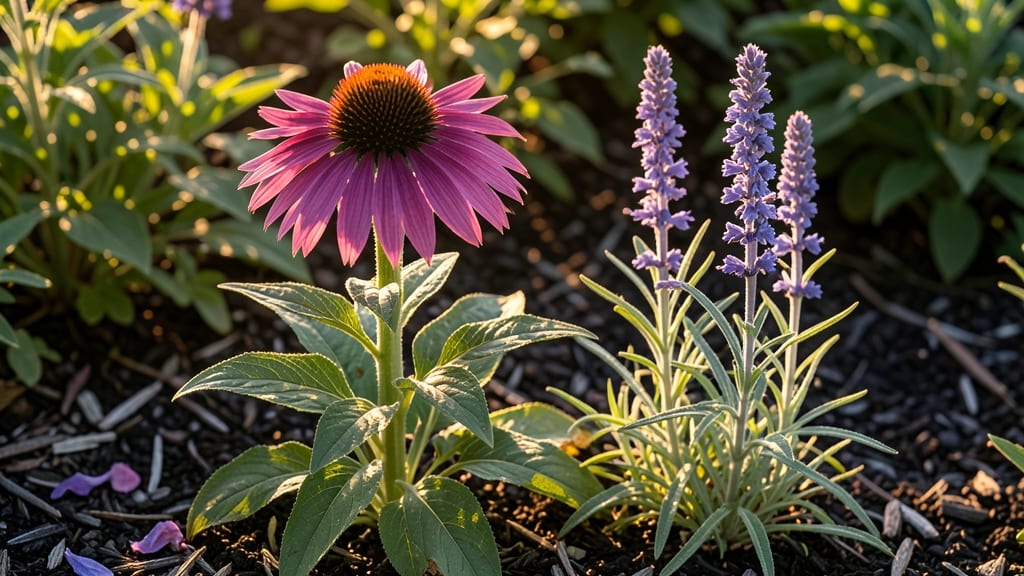
Sunset garden zones help you match plants to Western North America's unique microclimates, where coastal fog, desert heat, and mountain elevations create growing conditions that standard USDA hardiness zones can't capture. These 24 specialized zones refine temperature ranges and moisture patterns, ensuring your garden thrives with the right plant selections for your exact location.
These zones go beyond simple temperature averages by incorporating real-world factors like ocean breezes cooling inland areas or high-desert heat that bakes plants differently than flatland climates. 🌵 For example, a Zone 7 in the Sierra Nevada might handle frost better than a Zone 7 near the Pacific coast, where fog delays spring planting.
The system's precision helps avoid costly mistakes—like planting frost-sensitive succulents in high-altitude zones where nights dip below freezing.
To use them effectively, start by finding your Sunset zone number through their interactive map (available online), then compare it to plant hardiness labels. Many nurseries now include Sunset zone recommendations alongside USDA ratings, giving you a clearer picture of what will actually survive in your microclimate.
The key difference? While USDA zones focus on average annual minimums, Sunset zones account for seasonal extremes and local weather patterns that can make or break your garden's success.
💡 In This Article
- How Sunset Garden Zones Differ from USDA Hardiness Zones
- Choosing Plants for Your Sunset Garden Zone
How Sunset garden zones differ from USDA hardiness zones
Sunset garden zones were specifically developed to address the unique climate challenges of Western North America, where USDA hardiness zones often fall short. The key difference lies in how they account for microclimates—localized weather patterns that can vary dramatically over short distances.
For instance, coastal areas like San Francisco (Sunset Zone 14-15) experience coastal fog that can delay spring planting by 2-4 weeks compared to inland zones at the same latitude, where temperatures rise more predictably.
The science behind this involves temperature gradients and moisture variations. While USDA zones focus primarily on average annual minimum temperatures, Sunset zones incorporate seasonal extremes, precipitation patterns, and elevation effects.
Take Zone 7: In the Sierra Nevada mountains, this zone might see cold snaps below 10°F, while a Zone 7 in Southern California's desert regions could experience days above 110°F in summer. These extremes drastically affect plant survival, making Sunset zones far more practical for gardeners.
Another critical distinction is how Sunset zones handle water availability. Many Western regions face water scarcity, so Sunset zones include drought tolerance as a factor.
For example, a plant labeled for USDA Zone 8 might thrive in Sunset Zone 7 only if it's drought-resistant—otherwise, it could fail despite matching temperature ranges. The system also accounts for soil types, like the heavy clay soils of the Central Valley versus the sandy coastal soils of Oregon.
Geographically, Sunset zones cover 17 Western states and parts of Canada, dividing them into 24 distinct zones based on climate data collected over 30+ years.
This granularity helps explain why a Zone 15 in Los Angeles (mild winters, dry summers) can't grow the same plants as a Zone 15 in Seattle (cooler, wetter, with marine influence).
The system even accounts for urban heat islands, where city centers can be 5-10°F warmer than surrounding rural areas.
For gardeners, this means plant labels often include both USDA and Sunset zone numbers. For example, a rosemary plant might list USDA Zones 7-10 but specify Sunset Zones 1-24 (excluding high-desert areas where it struggles with intense sun).
This dual labeling helps avoid costly mistakes, like planting frost-sensitive bougainvillea in high-altitude Sunset Zones where winter temperatures dip below 20°F.
Practical example: In Sunset Zone 9 (Central Coast California), gardeners can grow olive trees year-round, but in Zone 9 near the desert, those same trees may need additional irrigation to survive the low humidity and intense sunlight.
The nuances captured by Sunset zones make them indispensable for Western gardeners, where climate variability is the norm rather than the exception. 🌿