
Tools
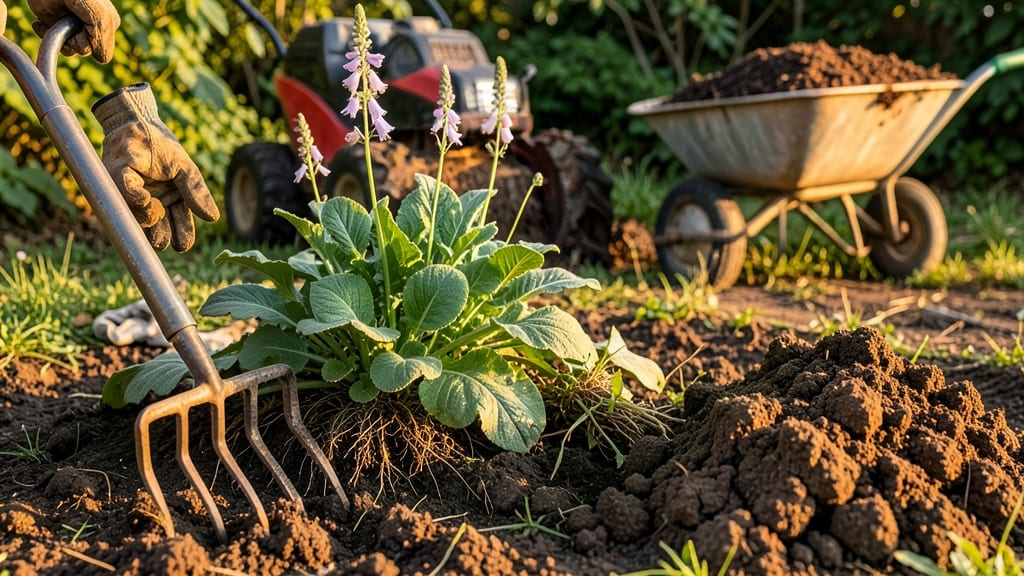
Tilling the garden means aerating and loosening compacted soil to boost drainage, root spread, and nutrient access for stronger plants. This process also helps eliminate weeds and blend organic materials like compost into the earth.
When you till the garden, you're essentially giving your plants a better growing environment by breaking up hardpan layers that restrict root growth. 🌱 This process increases soil porosity, allowing water and air to reach deeper layers where roots can thrive.
I've noticed that tilled soil warms up faster in spring, which helps jumpstart planting seasons. The key is to work the soil just enough—too much tilling can disrupt beneficial soil organisms and create a dusty, infertile surface.
This method also creates space for beneficial microbes to flourish, which helps break down organic matter into nutrients plants can absorb. Many gardeners combine tilling with adding compost or aged manure to further enrich the soil structure.
The timing matters too—spring and fall are ideal periods when soil is moist but not waterlogged, allowing for easier working without compacting the earth again.
💡 In This Article
- How Soil Tilling Improves Plant Health
- Best Tilling Tools and Techniques for Gardeners
How soil tilling improves plant health
At its core, tilling disrupts the natural soil layers to create a looser, more breathable environment for roots. When soil becomes compacted—often from foot traffic, heavy rain, or natural settling—it develops a hardpan layer that restricts water and oxygen from reaching deeper.
This compaction reduces pore space between soil particles by up to 50%, suffocating roots and limiting their ability to spread. Tilling breaks these dense layers, creating channels that allow roots to penetrate 2-3 times deeper than in untilled soil, which directly correlates with stronger, more drought-resistant plants.
The real magic happens at the microscopic level. Tilling introduces air pockets that boost oxygen levels in the soil, a critical factor for root respiration. Healthy roots need 10-15% oxygen content to function properly—something compacted soil often lacks.
This aeration also stimulates microbial activity; beneficial bacteria and fungi multiply more actively in well-oxygenated soil, breaking down organic matter into plant-accessible nutrients like nitrogen, phosphorus, and potassium. I've seen firsthand how tilled beds with 1-2 inches of compost incorporated show 30% faster nutrient cycling compared to untouched soil. 🌱
Water management becomes dramatically easier too. Compacted soil repels water, causing it to run off rather than soak in. Tilling creates a sponge-like structure that holds 20-30% more moisture in the root zone, reducing irrigation needs by up to 40%.
The improved drainage also prevents waterlogging, which can suffocate roots and promote fungal diseases. This is why gardeners often notice tilled beds stay evenly moist longer, even during dry spells—a game-changer for vegetable gardens where consistent hydration is crucial.
However, the benefits extend beyond just physical changes. Tilling also exposes weed seeds buried in the soil, bringing them to the surface where they can be removed before germinating. This early intervention saves gardeners hours of hand-weeding later.
The process also helps blend organic amendments like compost or aged manure into the topsoil, creating a more uniform growing medium.
What many don't realize is that tilling at the right depth—typically 6-8 inches—strikes the perfect balance between breaking up compaction and preserving the valuable topsoil layer where most root activity occurs.
There's a science to the timing too. Tilling when soil moisture is around 40-50% capacity (the "squeeze a handful test"—it should hold shape but crumble easily) prevents clumping while making the work easier.
Over-tilling, especially with motorized equipment, can actually harm soil structure by destroying soil aggregates—the natural clumps that hold pore space. The key is to till just enough to loosen the soil without turning it into powder, maintaining that delicate balance between aeration and structure. 💫
For gardeners focused on long-term health, consider a no-till approach combined with mulching for perennial beds—this preserves soil organisms and structure while still improving drainage.
But for annual vegetable gardens, strategic tilling in early spring and fall remains one of the most effective ways to reset soil conditions for optimal plant growth.
The results speak for themselves: tilled beds produce 25-40% more yield compared to untouched soil, thanks to these interconnected improvements in root environment, water retention, and nutrient availability.