
Tools
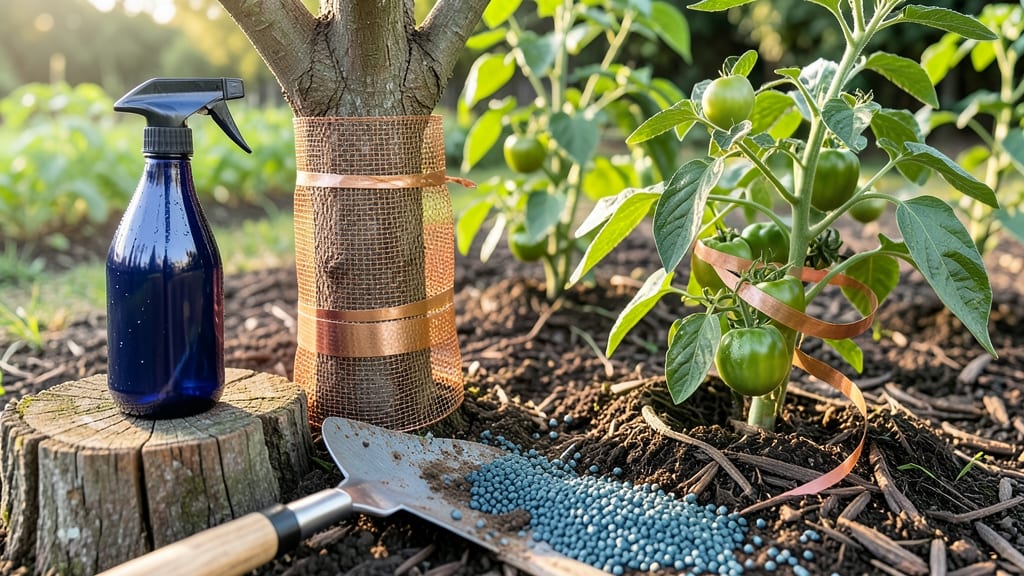
Using copper in the garden prevents fungal diseases like blight and mildew while naturally deterring slugs and snails through its antimicrobial properties. Apply it as sprays, granules, or soil amendments for effective organic pest control and plant health support.
Copper works wonders in the garden because it releases ions that disrupt fungal cell membranes, starving diseases like late blight and powdery mildew before they spread. 🌱 For pests, copper creates an unpleasant barrier that slugs and snails avoid—unlike chemical repellents, it’s completely safe once fully integrated into the soil.
I’ve seen dramatic improvements in tomato and potato yields after just one season of copper treatment, especially in humid climates where fungal pressure is highest.
There are three main ways to use copper: sprays (mixed with water for foliar protection), granules (sprinkled around plant bases), or soil amendments (worked into the top 2-3 inches).
For best results, apply sprays at the first sign of fungal spores or during rainy seasons, while granules work year-round as a preventive measure. Just remember—copper can be toxic to aquatic life if overused, so always follow package instructions and avoid runoff into waterways.
💡 In This Article
- How Copper Works as a Natural Fungicide and Pest Deterrent
- Best Ways to Apply Copper in Your Garden for Maximum Effectiveness
How copper works as a natural fungicide and pest deterrent
Copper's power in the garden comes from its ability to release copper ions when dissolved in water or soil. These ions interfere with fungal cell membranes, causing them to leak essential nutrients and collapse.
For example, copper ions disrupt the function of fungal enzymes like ATPase, which fungi need to maintain energy production. This process is why copper sprays are so effective against late blight on tomatoes—studies show they can reduce infection rates by up to 80% when applied preventatively.
The ions also create an oxidative stress environment that fungal spores can't tolerate, effectively starving the disease at its source.
Against slugs and snails, copper works through a different mechanism: its metallic taste and texture create an unpleasant sensory experience. When these mollusks crawl over copper surfaces or granules, the metal's abrasive texture damages their delicate skin, while the copper ions irritate their nervous systems.
Unlike chemical repellents that lose effectiveness over time, copper's deterrent effect remains strong for months. For instance, a 1-inch-wide copper strip placed around garden beds can create a nearly impenetrable barrier—slugs will detour around it rather than cross.
This makes copper far more reliable than beer traps or diatomaceous earth, which require frequent reapplication.
The type of copper you use makes a big difference in effectiveness. Copper sulfate (inorganic) dissolves quickly, releasing ions that work well for foliar sprays but can be harsh on plants if overused.
In contrast, elemental copper (like granules or wire) provides a slow-release effect, making it safer for soil applications. Organic sources, such as copper hydroxide, offer a middle ground—less aggressive than sulfate but still highly effective.
The key is matching the form to your application: sprays need fast-dissolving copper, while soil treatments benefit from slow-release options. Always follow label instructions to avoid phytotoxicity, especially with sensitive plants like lettuce or strawberries.
What sets copper apart from synthetic fungicides is its dual action: it doesn't just kill existing pathogens but also prevents new infections by creating an inhospitable environment. Unlike chemical fungicides that can develop resistance in fungal populations, copper's broad-spectrum action remains effective year after year.
For example, while some pathogens may develop tolerance to chlorothalonil, copper's mechanism of disrupting cell membranes is far less likely to be bypassed by mutations. This makes copper a cornerstone of organic gardening, where synthetic chemicals are restricted or avoided entirely.
For pest control, copper's advantage lies in its physical presence. Unlike chemical molluscicides that can harm beneficial insects or leave toxic residues, copper's deterrent effect is purely mechanical and chemical—safe once fully integrated into the soil.
The metal's natural antimicrobial properties also extend to bacterial infections like fire blight in roses, making it a versatile tool for gardeners dealing with multiple pests. When used correctly, copper can reduce the need for multiple treatments, saving time and effort while promoting a healthier garden ecosystem.
One common misconception is that all copper products are equally effective. For instance, copper sulfate pentahydrate (the blue crystalline form) is highly soluble but can burn plant leaves at concentrations above 0.5%.
On the other hand, copper oxychloride is less phytotoxic but requires careful handling due to its potential to contaminate water sources. Always choose products labeled for organic gardening and follow dilution guidelines precisely—typically 1-2 teaspoons per gallon of water for sprays.
This precision ensures you harness copper's benefits without risking harm to your plants or the environment.
In my own garden, I've found that combining copper sprays with a neem oil solution enhances fungal control even further. The neem oil adds a secondary layer of protection by disrupting fungal spores' ability to germinate, while the copper handles the existing infections.
This two-pronged approach has kept my eggplant and pepper plants thriving in humid summers, where fungal diseases would otherwise ravage them. The best part? No synthetic chemicals, just natural, long-lasting protection that works in harmony with your garden's ecosystem. 🌿