
Planting
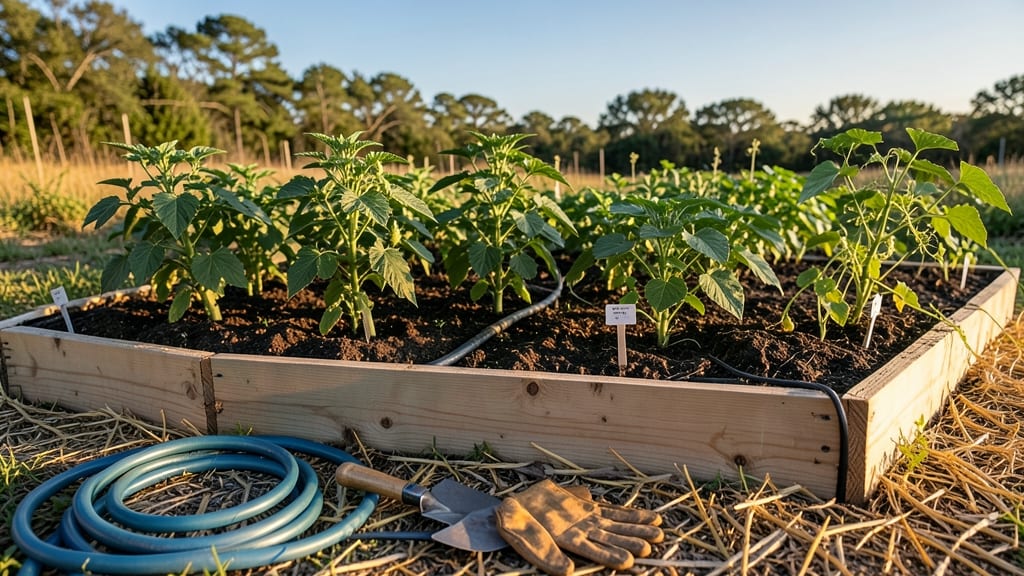
Planting a vegetable garden in Florida means timing your crops perfectly to beat the heat and avoid hurricanes—because the wrong schedule can leave you with wilted plants or empty harvests.
Florida’s scorching summers and unpredictable weather can make gardening a challenge—but with the right timing, you can grow a thriving 🥬 year-round.
Whether you're planting heat-loving okra in June or cool-season greens in November, the key is knowing when to start seeds or set out transplants to match Florida’s climate zones.
Most Florida gardeners skip the frost worries of northern states, but heat stress and sudden storms are real threats.
That’s why I’ve broken down the best planting windows for each season, from early spring lettuce to late-fall sweet potatoes, so you can avoid common mistakes like overwatering in summer or missing the window for fall crops.
In this guide, you’ll get a month-by-month schedule, top heat-tolerant picks for your zone, and pro tips to protect your garden—whether it’s mulching to beat the heat or prepping for hurricane season. Let’s get those seeds in the ground the right way.
Best Florida vegetable planting schedule by season
Florida’s year-round growing season means you can plant vegetables almost anytime—but timing is everything for maximizing yields. Unlike northern states, Florida’s frost-free zones (9a-11) allow for three distinct planting windows, each with its own heat-tolerant stars.
Whether you’re starting cool-season crops in winter or battling summer heat with drought-resistant plants, this schedule keeps your garden productive all year.
I’ve broken it down by monthly phases, highlighting cool-season champions (like broccoli and spinach), summer powerhouses (okra and sweet potatoes), and fall/winter alternatives (kale and carrots) that thrive when temperatures dip.
Florida’s humidity and sandy soils demand extra prep—so I’ll also share pro tips for soil amendments, mulching, and shade strategies to protect tender seedlings.
For January and February, focus on cool-season crops like broccoli and spinach. These plants thrive in 60–75°F soil and can handle Florida’s mild winters—especially in South Florida (Zones 10–11). In North Florida (Zone 9a), wait until late January to avoid light frost risks.
Use black plastic mulch to warm the soil faster and plant seeds ¼ inch deep for quick germination.
By March and April, shift to heat-tolerant transplants like tomatoes and peppers. These months are ideal for starting summer crops because the soil has warmed, but provide afternoon shade (30–40%) to prevent transplant shock.
I recommend soaking seeds overnight before planting to improve germination rates in Florida’s dry spring air.
Summer (May–July) is peak time for okra, sweet potatoes, and eggplant, which love Florida’s 90°F+ heat.
These crops need well-draining soil to avoid root rot—amend with compost and sand if your soil is heavy clay. Mulch heavily (straw or pine bark) to lock in moisture, as summer rains can be unpredictable. Drip irrigation is a game-changer here to avoid fungal diseases from overhead watering.
Don’t overlook fall planting (August–September), a hidden gem for Florida gardeners. Kale, collards, and beans flourish in 75–85°F soil and can be harvested through December or January.
This is also the perfect time to succession plant every 2 weeks for a continuous harvest. Use shade cloth if temperatures exceed 90°F to protect young seedlings.
In October and November, prepare for winter crops like turnips and radishes, which mature quickly. These months offer ideal soil temps (65–75°F) for root vegetables. Fertilize lightly with a balanced 10-10-10 mix to avoid bitter flavors in greens.
If you’re in North Florida, consider row covers for extra protection against occasional frosts.
December is your last chance to plant fast-growing greens like green onions and herbs (basil, cilantro). These crops handle Florida’s mild winter days (60–75°F) but may slow down in North Florida’s cooler spells. Use raised beds to improve drainage and add worm castings for a nutrient boost.
With the right timing, you can enjoy homegrown herbs on your holiday table!
Pro tip: Florida’s hurricane season (June–November) can disrupt planting. Always have backup seeds and secure trellises
Top 10 heat-tolerant vegetables for Florida gardens
Florida’s intense heat and humidity can wilt many vegetables, but these top 10 heat-tolerant crops thrive in our climate. From okra to sweet potatoes, these varieties handle 90°F+ temperatures with ease. Planting them at the right time ensures a bountiful harvest even during summer’s peak.
My garden’s success comes from selecting drought-resistant varieties and timing plantings to avoid heat stress. For example, peppers and eggplant love Florida’s long summers, while sweet potatoes grow best when planted after the last frost risk—usually mid-March to April in most regions.