
Watering
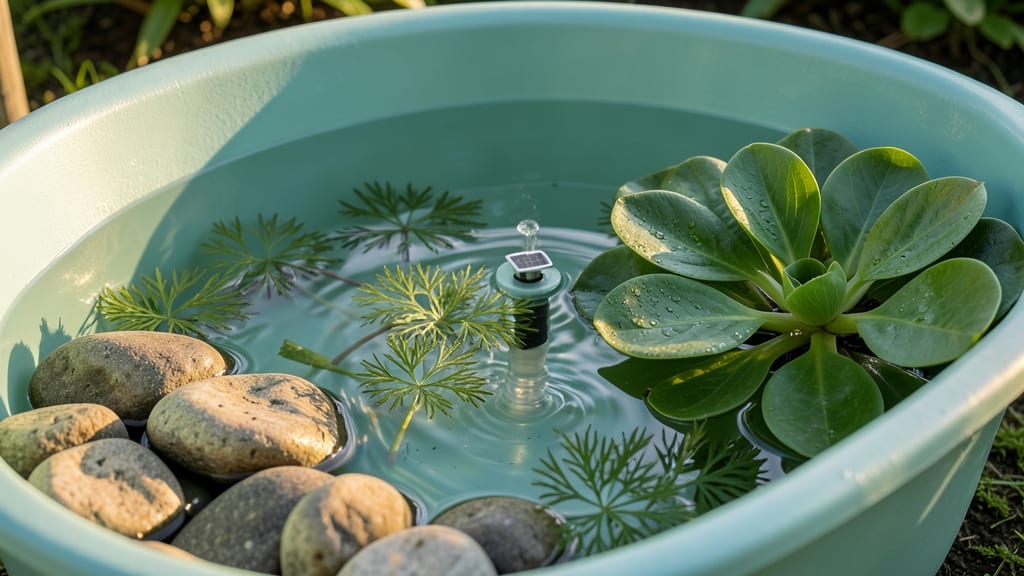
A water garden tub is a compact ecosystem for aquatic plants that thrives with 10-20 gallons of water for small to medium setups, partial sunlight exposure, and oxygenating species like water hyacinth or hornwort. Opt for a tub with built-in drainage, durable materials like plastic or fiberglass, and a secure lid to deter mosquitoes. Regular maintenance involves weekly water refreshes and algae control to keep the system balanced.
A water garden tub isn't just a decorative piece—it's a living microcosm where every element, from water volume to plant selection, plays a critical role. 🌿 The right size ensures your aquatic plants have enough root space to grow while maintaining stable water chemistry, while materials like UV-resistant plastic or fiberglass determine longevity and ease of maintenance.
For instance, a 15-gallon tub can support a thriving ecosystem with floating plants like water lettuce paired with submerged varieties such as anacharis, creating a balanced habitat. The key to success lies in mimicking nature's cycles: partial sun exposure, proper drainage, and consistent care keep the system vibrant year-round.
💡 In This Article
- Selecting the Right Water Garden Tub Size and Materials
- Best Aquatic Plants for Small Water Garden Tubs
Selecting the right water garden tub size and materials
The size of your water garden tub directly impacts plant health and ecosystem stability. A 10-20 gallon tub provides enough volume to maintain water quality while allowing room for root systems to develop.
For example, a 15-gallon tub can comfortably support floating plants like water lettuce (which doubles in size every 2 weeks) alongside submerged varieties such as anacharis. Larger tubs (20+ gallons) offer more flexibility for marginal plants like sweet flag, but they require proportionally more maintenance to keep water chemistry balanced.
Material choice affects durability, weight stability, and maintenance ease. Plastic tubs (like those made from UV-resistant polyethylene) are lightweight, affordable, and resistant to algae buildup, but they may require reinforcement for outdoor use. Fiberglass offers a premium look with superior insulation against temperature fluctuations, though it's heavier and more expensive.
Ceramic tubs are decorative but prone to cracking in freezing temperatures—ideal for indoor setups only. The tub's weight also matters: a 20-gallon fiberglass tub can weigh 50-70 pounds when filled, so ensure your surface can support it without tipping.
Essential features like drainage and lids make all the difference. Built-in drainage holes (typically 1/4-inch diameter) prevent waterlogging during heavy rains, while removable lids keep out debris and deter mosquitoes. For tropical climates, opt for a tub with a vented lid to allow airflow while blocking pests.
In colder regions, consider a tub with a drain plug to simplify winter emptying—a critical step to prevent freeze damage to roots and tub materials.
Climate also dictates material performance. In sunny regions, UV-resistant plastic prevents warping, while in shaded areas, fiberglass maintains a stable temperature for cold-sensitive plants like water hyacinth.
For indoor setups, ceramic or glass tubs add aesthetic appeal but require artificial lighting (a 6-8 hour LED grow light) to replicate natural sunlight. The right material ensures your tub lasts through seasonal changes without compromising the ecosystem's health.
Consider these key factors when choosing:
- Size: 10-20 gallons for small setups, 20+ gallons for marginal plants
- Material: Plastic for affordability, fiberglass for durability, ceramic for indoor aesthetics
- Drainage: 1/4-inch holes + removable lid for outdoor use
- Weight: Ensure surface supports filled weight (e.g., 50-70 lbs for 20-gallon fiberglass)
- Climate: UV-resistant plastic for sun, fiberglass for temperature stability
Pro tip: Place your tub on a level surface with a non-slip mat to prevent shifting during water changes. This simple step extends the life of your tub and keeps your aquatic plants thriving year-round. 🌿