
Landscaping
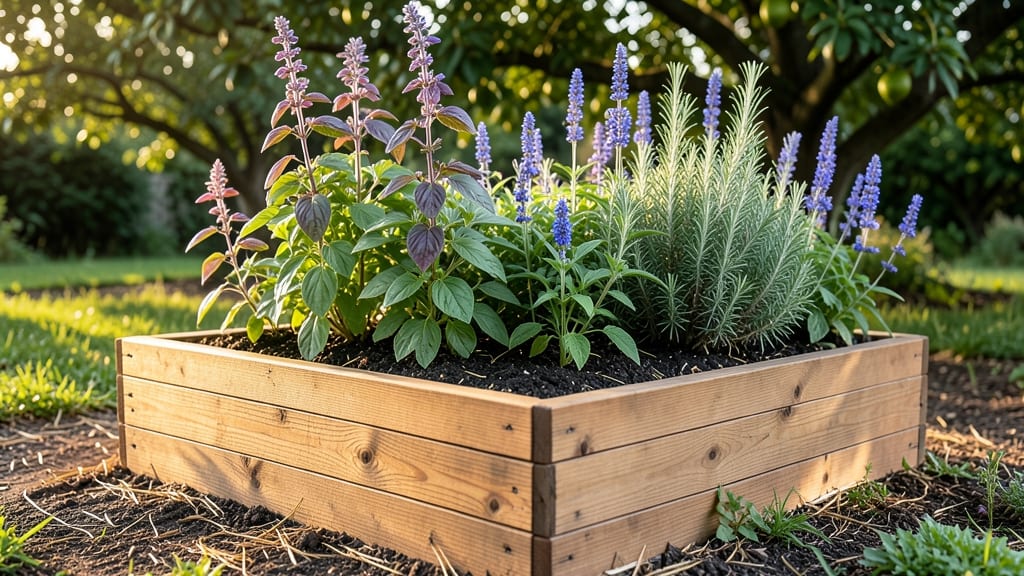
How tall to make raised garden beds is all about balancing root depth, drainage, and your comfort—because a bed that’s too low leaves roots gasping, while one that’s too high turns weeding into a backache.
Picture this: you’re knee-deep in soil, but your back protests after five minutes of work. Or worse, your carrots grow lopsided because the bed isn’t deep enough. The truth? Height isn’t one-size-fits-all—it depends on what you’re growing, who’s gardening, and even your local climate.
Most gardeners aim for 6 to 12 inches of soil depth for vegetables, but deep-rooted crops like asparagus or potatoes need 18 inches or more. Meanwhile, accessibility matters too: beds at 24 to 36 inches let you garden standing up, cutting strain for knees or backs.
In this guide, I’ll break down the ideal heights for your plants, how to adjust for drainage and materials, and why one size rarely fits all. Let’s get your beds just right—so your plants (and your back) will thank you.


Optimal raised garden bed height by plant type and root depth needs
Choosing the right raised garden bed height isn’t one-size-fits-all. Your plants’ root depth needs dictate whether a 6-inch bed will do or if you need to build up to 18 inches. Shallow-rooted leafy greens like lettuce thrive in minimal space, while deep-rooted crops like asparagus demand serious depth.
Even drainage efficiency changes based on height—taller beds dry faster in sandy soil but may require more frequent watering.
Let’s break it down by plant category. Each group has distinct soil volume requirements and structural considerations. For example, a 6-inch bed works for herbs but fails for carrots.
Meanwhile, accessibility needs (like knee-height beds for gardeners) can’t override root space. We’ll cover how to balance both without sacrificing growth potential.
Comparison Table: Raised Bed Height by Plant Type
For shallow-rooted plants like basil or radishes, a 6-inch bed provides enough soil volume while keeping costs low. These plants mature quickly, so deeper beds waste resources. However, add organic matter like compost to prevent soil from drying out too fast.
A 12-inch height gives you flexibility to grow both herbs and medium-rooted crops like peppers in the same bed over seasons.
Medium-rooted plants—think tomatoes or green beans—need 12–18 inches of soil to support their root systems. This height also makes harvesting easier, especially for determinate tomatoes that sprawl. If your bed is only 10 inches tall, roots may hit the bottom, stunting growth. For container gardening, use fabric pots with extra depth instead of shallow beds.
Deep-rooted vegetables like carrots or asparagus demand 18+ inches of soil. A 12-inch bed will leave these plants root-bound, leading to forked carrots or weak asparagus spears.
Build beds 24 inches tall for these crops, and consider raised bed frames with corner brackets for stability. Loamy soil with sand amendments improves drainage in taller beds, preventing root rot.
Don’t overlook drainage layers. For beds taller than 12 inches, add a 4-inch gravel layer at the bottom to prevent waterlogging. In clay-heavy soil, this layer is non-negotiable—it keeps roots oxygenated. For sandy soil, reduce gravel to 2 inches and focus on retaining moisture with
How to choose raised garden bed height for accessibility, soil retention, and climate
Choosing the right raised garden bed height isn’t just about what looks good—it’s about creating a space where your plants can thrive while making gardening easier for you. The perfect height balances accessibility, soil retention, and climate needs, ensuring your garden stays productive year after year.
Too low, and you’ll struggle with weeds and maintenance; too high, and you might waste soil or strain your back.
Most gardeners start with a standard 6- to 12-inch height for root depth, but this can vary widely depending on your plant types, soil drainage, and even your own mobility.
For example, shallow-rooted plants like lettuce and herbs need just 6 inches, while deep-rooted crops like asparagus or carrots require 12+ inches. But climate plays a role too—colder regions often benefit from taller beds to insulate roots, while sandy soils may need extra height to retain moisture.
🌱 Key Factors for Raised Bed Height
| Factor | Recommendation |
|---|---|
| Accessibility | 18–36 inches (waist to chest height) |
| Root Depth | 6–18 inches (adjust by plant type) |
| Soil Retention | Taller in sandy soil, shorter in clay |
| Climate | Taller in cold zones (insulation), shorter in hot/dry areas |
💡 Pro Tip: Use 24-inch height for mixed gardens to accommodate most plants and reduce bending.
Let’s start with accessibility, which is often overlooked. If you’re 6 feet tall, a bed height of 24–30 inches will keep your back happy, allowing you to work without stooping. For children or elderly gardeners, consider 12-inch beds or even ground-level options.
The key is to match the height to the gardener’s comfort—if you’re constantly leaning over, you’ll avoid the garden faster than you’ll grow your tomatoes.
Next, think about soil retention vs. drainage. Sandy soils drain too quickly, so taller beds (12+ inches) help hold moisture. In contrast, clay-heavy soils can suffocate roots if beds are too deep, so 6–8 inches may suffice.
Always add organic matter like compost to improve soil structure, regardless of height. And don’t forget to include drainage holes at the bottom—even raised beds need to breathe!
Your local climate will also influence your choice. In cold climates, taller beds (up to 36 inches) provide better insulation for roots, protecting them from frost. In hot, dry regions, shorter beds (6–12 inches) help retain moisture and reduce heat stress.
If you live in an area with heavy rainfall, consider slightly taller beds to prevent erosion and waterlogging.
Before finalizing your design, run through this quick checklist to ensure your raised beds meet your unique needs:
- ☑️ Measure your gardening height (waist to chest level).
- ☑️ Research plant root depths for your crops.
- ☑️ Test your soil drainage (sandy vs. clay).
- ☑️ Check local frost dates for insulation needs.
- ☑️ Account for material limitations (wood, metal, or composite).