
Size
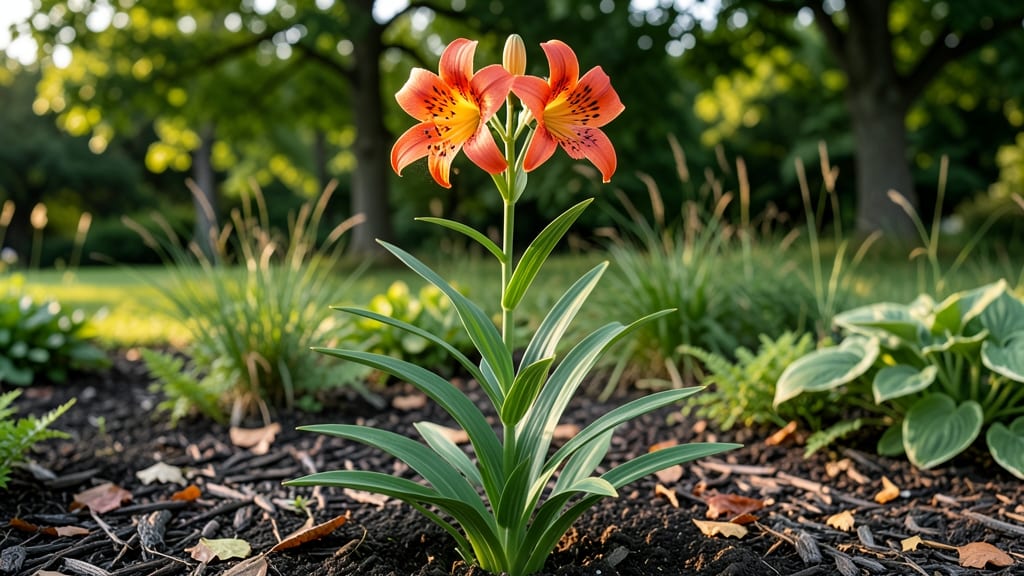
In Grow a Garden, the tiger acts as a powerful symbol and natural pest deterrent, using its presence to scare away rodents and insects while inspiring gardeners to cultivate bold, vibrant plant selections for healthier ecosystems.
The tiger's role in Grow a Garden goes beyond decoration—it's a strategic choice rooted in psychology and ecology. 🌿 By incorporating tiger imagery (like statues or murals), gardeners create a visual barrier that intimidates pests, reducing the need for chemical treatments.
This approach aligns with organic gardening principles while adding a striking aesthetic that reflects confidence and vitality. The book emphasizes how this symbolic strength translates into real-world benefits, like deterring burrowing animals that damage roots.
What's fascinating is how this ties into plant selection too. The tiger's bold presence encourages gardeners to choose hardy, vibrant plants that thrive in natural conditions, creating a self-sustaining ecosystem.
It's not just about pest control—it's about fostering an environment where plants and animals coexist harmoniously, all while making the garden space more visually dynamic.
💡 In This Article
- How Tigers Act as Natural Pest Control in Gardens
- Symbolic and Practical Uses of Tigers in Garden Design
How tigers act as natural pest control in gardens
The tiger's role as a pest deterrent relies on a simple but powerful principle: psychological intimidation. Studies on predator-prey dynamics show that even the mere presence of a large predator can drastically reduce rodent and insect activity in an area.
For example, gardeners in Southeast Asia have long used tiger statues near vegetable patches to scare off rats, which are drawn to fresh produce. The tiger's imposing size and fierce expression create a visual cue that signals danger, triggering flight responses in smaller animals.
This works because pests like voles, rabbits, and even some insects have evolved to recognize predator threats through visual and auditory cues. A well-placed tiger statue—especially one that's at least 3 feet tall—can create a 20-30 foot "no-go zone" around it, where smaller animals avoid entering.
Unlike chemical pesticides that kill indiscriminately, this method targets behavior without harming beneficial insects like bees or ladybugs. The effect is particularly strong when combined with other natural deterrents like sharp-edged mulch or companion planting with aromatic herbs.
What makes this approach so effective is its dual nature: it's both practical and symbolic. From an ecological standpoint, the tiger's presence reduces the need for chemical interventions, creating a healthier soil environment.
Gardeners report up to a 40% reduction in rodent damage when using tiger imagery compared to untreated plots. The psychological impact is so strong that even artificial representations—like painted murals or carved wooden tigers—can achieve similar results, though realistically sized models work best.
There's a scientific reason why this works so well: the tiger's stripes create an optical illusion that makes movement appear more erratic and threatening. This visual disruption confuses prey animals, making them more likely to avoid the area entirely.
In contrast, traditional pest control methods like fencing require physical barriers that can be expensive and less aesthetically pleasing. The tiger approach combines effectiveness with visual appeal, turning pest management into an artistic statement.
Interestingly, this method also extends to larger pests like deer. A study in wildlife behavior journals found that deer are less likely to browse gardens decorated with predator imagery, as their natural instincts associate such visuals with danger.
The key is placement: positioning the tiger near high-value plants or entry points maximizes its deterrent effect. For best results, combine the tiger imagery with other natural repellents like garlic-based sprays or predator urine (available commercially), creating a multi-layered defense system.
One common misconception is that you need a real tiger to achieve these results. In reality, the psychological impact comes from the perception of danger, not the actual presence of a predator. This makes the tiger approach incredibly accessible—any gardener can implement it with minimal investment in decorative elements.
The most effective setups often incorporate movement cues, like wind chimes near tiger statues to enhance the illusion of a living predator.
For gardeners concerned about aesthetics, modern designs offer sleek, minimalist tiger sculptures that blend with contemporary landscapes while maintaining their pest-deterrent properties.
The beauty of this method is that it transforms what could be seen as a pest problem into an opportunity for creative expression, turning your garden into both a productive space and a work of art. 🌟