
Companion Plants
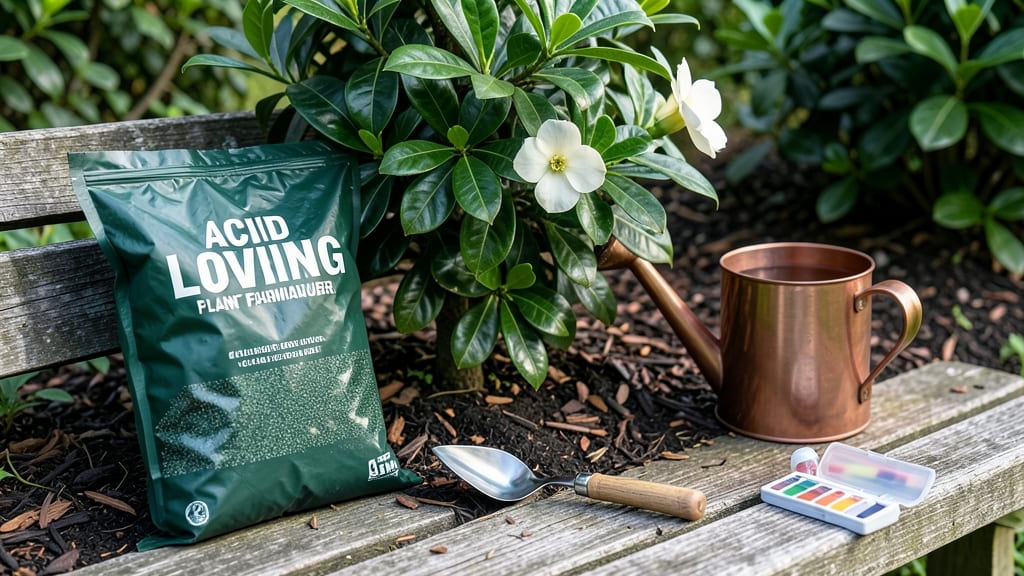
To feed gardenias properly, maintain acidic soil (pH 5.0–6.5), use balanced slow-release fertilizer in spring, and incorporate organic matter like compost or worm castings. Avoid high-nitrogen feeds to prevent leaf burn, and add iron supplements if leaves yellow between veins.
Gardenias are fussy eaters—they demand specific soil chemistry and feeding timing to reward you with those intoxicating blooms. 🌸 The right pH unlocks nutrient absorption, especially iron and manganese, which are critical for vibrant foliage and flowers.
I've found that organic matter like worm castings not only feeds the roots but also improves soil structure, helping prevent waterlogging that gardenias hate.
Timing matters just as much as what you feed them. Spring is prime time for slow-release fertilizer to fuel blooming, while summer benefits from lighter organic supplements like compost tea. The key is avoiding overfeeding—too much nitrogen will give you lush leaves but no flowers, which is every gardener's nightmare.
💡 In This Article
- Gardenia Soil Requirements and pH Science
- Seasonal Gardenia Fertilizing Schedule and Organic Alternatives
Gardenia soil requirements and pH science
Gardenias evolved in acidic tropical soils where pH levels typically range between 5.0 and 6.5. This acidity isn't just a preference—it's essential for optimal nutrient uptake, particularly iron and manganese.
At higher pH levels (above 7.0), these crucial micronutrients become chemically unavailable to plants, even if they're present in the soil. This explains why gardenias often develop interveinal chlorosis (yellowing between leaf veins) when grown in alkaline conditions—a classic sign of iron deficiency.
The science behind this involves soil chemistry: acidic conditions keep iron in its soluble Fe²⁺ (ferrous) form, which plant roots can easily absorb.
In alkaline soils, iron oxidizes to Fe³⁺ (ferric) form, binding tightly to soil particles and becoming locked away from roots. 🌱 To mimic their natural habitat, gardeners often amend soil with organic matter like peat moss (pH 3.5-4.5) or pine needles, which slowly acidify the soil as they decompose.
For faster results, elemental sulfur can be worked into the soil, where microbial activity converts it into sulfuric acid over time.
Microbial activity also plays a crucial role in nutrient cycling. Acid-loving bacteria and fungi thrive in these conditions, breaking down organic matter and making nutrients more accessible to gardenia roots.
These microorganisms create a symbiotic relationship where they receive shelter and organic carbon from the plant roots, while the gardenia benefits from enhanced nutrient availability. This microbial network is why gardenias often perform poorly in sterile or heavily amended soils that disrupt this delicate balance.
Testing your soil's pH is the first step to proper gardenia care. A simple home test kit will tell you if your soil is too alkaline, while a lab analysis can provide more detailed mineral breakdown.
If your soil tests above 6.5, don't panic—amending gardenia beds is a gradual process. I've found that mixing 2-3 inches of composted pine bark into the topsoil each year can lower pH by 0.5-1.0 points over time, while also improving drainage and aeration.
Visual cues can help you gauge whether your gardenia is getting the right nutrition. Healthy gardenia leaves should be deep green with no yellowing, while flowers should be fragrant and plentiful.
If you notice small, sparse blooms or leaves that curl at the edges, these could indicate either insufficient nutrients or improper pH levels. The good news is that once you establish the right soil conditions, gardenias become much more resilient and rewarding to grow.