
Companion Plants
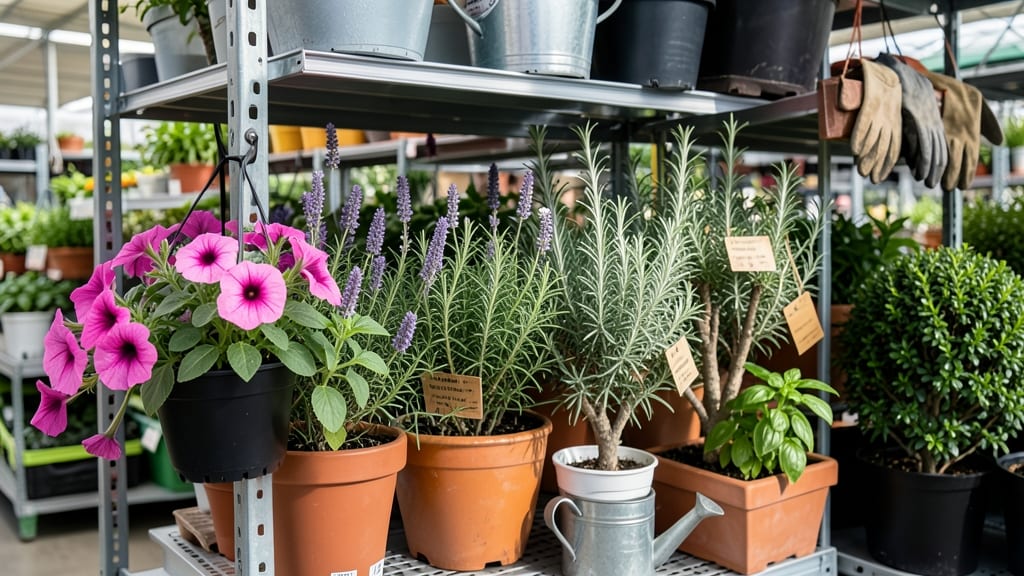
Garden centers showcase a diverse range of types of plants involved in gardening, including annuals, perennials, shrubs, trees, bulbs, herbs, and vegetables, often arranged in companion planting sections.
These plant groupings aren't random—they're based on proven gardening science. 🌱 For example, marigolds planted near tomatoes naturally repel pests like nematodes, while basil enhances pepper flavors and growth.
Garden centers also highlight seasonal plant families, like spring-blooming bulbs or cold-hardy perennials, to help gardeners plan year-round color and harvest cycles. The strategic organization makes it easier to create thriving gardens that require less maintenance and more natural pest control.
Many garden centers further categorize plants by their ecological roles. You'll find sections dedicated to soil-enriching plants like clover, windbreaks such as willow trees, and drought-tolerant varieties perfect for water-conscious gardeners.
This thoughtful arrangement helps both novice and experienced gardeners visualize how different plants will interact in their own spaces, making the shopping experience both educational and practical.
💡 In This Article
- Companion Planting Categories by Function and Growth Habits
- Seasonal Plant Groupings in Garden Centers
Companion planting categories by function and growth habits
Garden centers organize plants by their functional relationships, creating ecosystems that thrive when paired correctly. The science behind these groupings stems from how plants interact through chemical signaling, root structures, and pest attraction patterns.
For instance, marigolds release a compound called alpha-terthienyl that repels nematodes, which are microscopic worms that damage tomato roots. When planted together, marigolds can reduce tomato pest populations by up to 60% while also improving soil health through their deep root systems that break up compacted earth.
The growth habits of plants play a crucial role in their compatibility. Tall plants like sunflowers provide shade for heat-sensitive vegetables such as lettuce, creating a microclimate that maintains soil moisture and reduces evaporation.
Meanwhile, shallow-rooted herbs like thyme and oregano grow well between rows of carrots, as their dense foliage suppresses weeds without competing for nutrients. These vertical and horizontal relationships optimize space utilization and resource sharing, which is why garden centers often display plants in layered arrangements that mimic natural forest understories.
Pollinator-friendly groupings are another key category, featuring plants that attract beneficial insects like bees and butterflies. For example, lavender and bee balm produce nectar-rich flowers that draw pollinators to nearby vegetable gardens, increasing yields by up to 20% for crops like cucumbers and squash.
The aromatic compounds in these flowers also mask the scent of pests, making it harder for aphids and whiteflies to locate their host plants. Garden centers often place these pollinator magnets near vegetable sections to demonstrate how they create a self-sustaining garden ecosystem.
Soil improvement is another critical function that garden centers highlight through plant pairings. Legumes like clover and peas fix nitrogen in the soil, making it available to neighboring plants that require more nitrogen, such as corn and potatoes.
This symbiotic relationship reduces the need for synthetic fertilizers and improves long-term soil fertility. Garden centers frequently display these nitrogen-fixing plants alongside heavy feeders to illustrate how they complement each other's growth needs, often using visual markers like color-coded plant tags to indicate their soil-enhancing benefits.
Finally, growth compatibility extends to flavor enhancement in edible plantings. Basil, for example, contains compounds that deter pests like thrips while also improving the flavor of nearby peppers and tomatoes.
When these herbs are planted within 12-18 inches of their companion vegetables, the flavor profile of the produce becomes more complex and aromatic. Garden centers often create demonstration plots showing these flavor-enhancing pairings, allowing customers to see and smell the tangible benefits firsthand.
Understanding these functional groupings helps gardeners create balanced plant communities that require less intervention. The strategic pairings demonstrated in garden centers are based on decades of horticultural research, making them reliable choices for both beginner and experienced gardeners looking to maximize their garden's productivity and beauty. 🌿