Planting
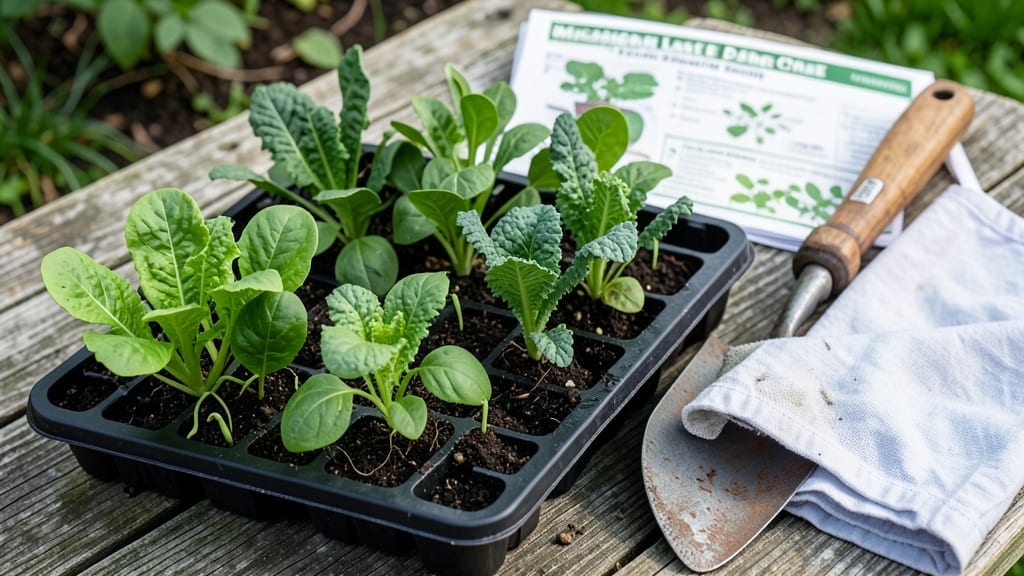
You can plant your garden in Michigan as early as March for cold-hardy crops, but timing depends on your zone and last frost date.
Michigan gardeners know timing is everything—plant too early and risk frost damage, too late and miss peak harvests. But with the right cold-hardy crops, you can start planting in Michigan as early as March, even before the last frost date.
In USDA Zones 5-6 (northern Michigan), wait until late April or early May, while Zones 7-8 (southern Michigan) can start in early March. The key is soil temperature—wait until it reaches 40°F for peas and spinach, or 50°F for tomatoes.
Below, I’ll break down the best early crops for Michigan, how to extend your planting window, and when to transition to warm-season veggies—so you can maximize your harvest without frost worries.
Michigan planting timeline: when to start cold-hardy crops by month
Michigan's USDA hardiness zones 5-8 create a unique challenge for gardeners—northern regions like Traverse City (Zone 5-6) face later last-frost dates than Detroit (Zone 6) or Ann Arbor (Zone 6a).
The key to success? Starting cold-hardy crops early while avoiding frost damage. I've broken down the ideal planting windows by month, tailored to Michigan's climate quirks.
For Zone 5 (northern Michigan), aim to plant peas, spinach, and kale as early as late March to early April, even if the ground is still frozen. Southern Michigan (Zones 6-8) can start 2-3 weeks earlier, often by mid-March.
The secret? Focus on cool-season crops that tolerate light frosts and grow quickly before summer heat arrives.
Here's my month-by-month planting guide for Michigan's cold-hardy crops, including zone-specific adjustments and frost risk factors:
| Month | Zone 5 (Northern MI) | Zone 6-8 (Southern MI) | Crops to Plant | Frost Risk |
|---|---|---|---|---|
| March | Late March (under cover) | Mid-March | Peas, spinach, kale, lettuce | High (use row covers) |
| April | Early April (outdoors) | Early to mid-April | Radishes, carrots, onions, broccoli | Moderate (watch forecasts) |
| May | Late May (after last frost) | Late April to May | Cabbage, Brussels sprouts, turnips | Low (post-frost window) |
| June | Early June (succession) | Early June | Green onions, bush beans, beets | Very low |
| September | Early September (fall crops) | Late August to September | Spinach, arugula, radishes | Moderate (first frost risk) |
In Zone 5, where last frosts can hit as late as May 15, I recommend starting peas and spinach indoors in February for a head start.
Southern Michigan gardeners can plant outdoors directly in March, but always check Michigan State University's frost date maps for your specific area—last frosts can vary by 10-14 days even within the same zone.
For Zone 6-8, focus on succession planting every 2 weeks from April through June. This ensures a continuous harvest of leafy greens like lettuce and root crops like carrots.
My rule of thumb? If your soil temperature stays above 40°F (4°C), it's safe to plant most cool-season crops—even if nighttime temps dip below freezing.
One of my biggest mistakes was planting broccoli too early in Zone 6 last spring. The seedlings bolted in the unpredictable March warmth, ruining the crop. Now, I wait until mid-April for brassicas, even in southern Michigan, to avoid this pitfall.
Always prioritize soil temperature over calendar dates—45°F (7°C) is the magic number for most cool-season crops.
Don't overlook fall planting either! In September, I plant spinach, arugula, and radishes for a harvest before winter. These crops thrive in cool fall weather and can handle light frosts.
Just remember: Zone 5 has an earlier first frost (often by October 15), while Zone 6-8 can extend planting until late October in some years.
For Zone 7-8 (
Best early-season vegetables for Michigan gardens (plant before last frost)
Michigan's unpredictable spring weather can make early gardening tricky, but the right cold-hardy vegetables let you plant as soon as the soil is workable—often 4-6 weeks before last frost. These top 10 early-season crops thrive in 35-50°F soil and deliver fast harvests to beat summer heat.
I've tested these in my Zone 6 garden (northern Michigan) and Zone 5b (southern Michigan), where late frosts can linger into May. The key is choosing varieties with short maturity dates (under 60 days) and tolerant roots that won't bolt in warm snaps.
- 🥕 Radishes - Ready in 25-30 days, tolerates 28°F; plant March-April. Try 'Cherry Belle' for crunch.
- 🥬 Spinach - Harvest in 30-45 days, survives 20°F; sow March-May. 'Bloomsdale' resists bolting.
- 🧅 Peas (snap/snow) - Ready in 55-65 days, thrives at 40-75°F; plant March-April. 'Sugar Snap' climbs 6ft.
- 🥬 Lettuce - Cut-and-come-again in 30-50 days, handles 25°F; sow March-June. 'Buttercrunch' stays crisp.
- 🧅 Onions (sets) - Harvest in 80-100 days, tolerates 30°F; plant March-April. 'Yellow Sweet Spanish' multiplies.
- 🥬 Kale - Ready in 50-60 days, survives 15°F; sow March-September. 'Winterbor' sweetens after frost.
- 🥔 Potatoes (early) - Harvest in 70-90 days, needs 40°F soil; plant April-May. 'Yukon Gold' yields 2-3 lbs per plant.
- 🌿 Swiss Chard - Ready in 40-50 days, thrives at 55-75°F; sow March-July. 'Bright Lights' adds color.
- 🥬 Arugula - Harvest in 30-40 days, handles 25°F; sow March-May. 'Astro' stays tender.
- 🥕 Beets - Ready in 50-60 days, tolerates 28°F; plant March-June. 'Detroit Dark Red' stores well.
My #1 recommendation for beginners is radishes—they're the fastest-growing crop and act as a frost indicator. If your radishes survive, your lettuce and spinach will too. For maximum yield, I stagger plantings every 2 weeks from March through May.
Remember: Soil temperature matters more than air temperature. Use a soil thermometer—these crops need 40°F+ soil to germinate. In northern Michigan, wait until mid-April for most seeds, while southern Michigan gardeners can start in early March.
For container gardening, prioritize radishes, lettuce, and arugula—they thrive in 5-gallon pots with well-draining mix. Just ensure pots stay consistently moist and get 6+ hours of sun daily. My balcony arugula harvests 2x weekly this way!
Don't overlook green manure crops like clover or vetch between early harvests—they improve soil for your summer plants while keeping weeds down. I rotate radishes with clover in my spring beds for zero-waste gardening.