
Planting
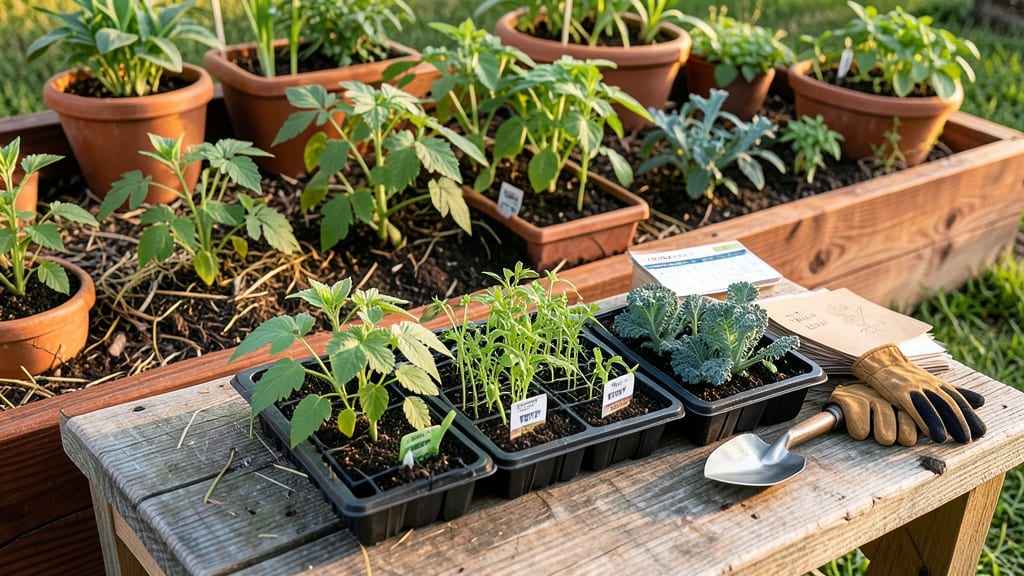
Planting your garden in Michigan at the right time means the difference between a bountiful harvest and a wasted season—and those frost dates are the key to getting it right.
Michigan’s unpredictable climate can turn gardening success into a guessing game—plant too early, and frost will strike; too late, and your harvest suffers. But with the right timing, you’ll grow a thriving garden that beats the weather.
Most Michigan gardeners know the last frost date is around April 15, but the real trick is matching your plants to the soil temperature and heat tolerance charts.
Cool-season crops like peas and lettuce can go in as soon as the ground thaws, while tomatoes and peppers need to wait until the soil hits 60°F.
Below, I’ll break down the exact planting windows for every zone in Michigan—from the Upper Peninsula’s shorter season to the Lower Peninsula’s longer growing stretch—so you can plan like a pro.
Michigan planting zones explained: when to start seeds indoors vs. outdoors
Michigan spans USDA Plant Hardiness Zones 5b-6b, meaning gardeners face short growing seasons with last frost dates ranging from late April to early May in the southern Lower Peninsula and late May to June in the Upper Peninsula.
These zones dictate when to start seeds indoors and when to transplant seedlings outdoors for maximum success.
For cool-season crops like lettuce, peas, and spinach, I begin sowing seeds indoors 4-6 weeks before the last frost—typically by mid-March to early April in Zone 6b. Warm-season crops like tomatoes and peppers need a longer indoor head start (8-10 weeks) to mature before summer heat arrives.
Outdoor planting deadlines vary dramatically: cool-season crops can often handle light frosts, while warm-season crops must wait until soil temperatures reach at least 60°F (15°C). Below is a breakdown of Michigan’s planting zones, frost dates, and ideal seed-starting windows to help you align your garden with the season.
⚠️ NON-NEGOTIABLE: Your response WILL BE REJECTED if you do not include the "summary-table" element.
| Zone | Last Frost Date | Indoor Seed Start (Cool-Season) | Indoor Seed Start (Warm-Season) | Outdoor Planting Deadline (Cool-Season) | Outdoor Planting Deadline (Warm-Season) |
|---|---|---|---|---|---|
| 5b (Upper Peninsula) | Late May - Early June | April 15 - May 1 | March 1 - March 15 | June 1 - June 15 | June 15 - July 1 |
| 6a (Northern Lower Peninsula) | Mid-May | March 20 - April 5 | February 15 - March 1 | May 15 - May 31 | May 15 - June 1 |
| 6b (Southern Lower Peninsula) | Late April - Early May | March 1 - March 15 | January 15 - February 1 | April 15 - May 1 | May 1 - May 15 |
In Zone 5b, where winters are colder, I prioritize hardy cool-season crops like kale, carrots, and radishes, which can tolerate light frosts. These can be sown directly outdoors as early as mid-April under frost cloth.
Meanwhile, warm-season crops like peppers and eggplants need a longer indoor start (8-10 weeks) to avoid stunted growth.
For Zone 6b, where the growing season is slightly longer, I extend my indoor seed-starting window to January for warm-season crops, giving them a head start before the last frost.
This zone allows for two full harvests of warm-season crops—one in early summer and another in late summer—if planted in succession.
To avoid frost damage, I always check the 14-day forecast before transplanting seedlings outdoors. If frost is predicted, I use row covers or cold frames to protect tender plants. For warm-season crops, I wait until nighttime temperatures consistently stay above 50°F (10°C).
Succession planting is key in Michigan. After harvesting early crops like peas or lettuce, I replant with fast-maturing varieties like bush beans or radishes to maximize my garden’s productivity. This strategy ensures a continuous harvest from late spring through early fall.
Remember, soil temperature matters more than air temperature. Use a soil thermometer to confirm your garden bed is at least 50°F (10°C) for cool-season crops and 60°F (15°C) for warm-season crops before planting. This small step can mean the difference between thriving plants and failed seedlings.
🌱 For extra protection, I always keep a frost watch calendar handy, marking the average last frost date for my specific area. This helps me plan indoor seed-starting schedules and outdoor planting deadlines with confidence.
Heat-tolerant vegetables for Michigan: best crops by planting month
Michigan’s variable climate demands smart crop selection—especially when choosing heat-tolerant vegetables. Some plants thrive in early spring’s chill, while others need summer’s warmth to produce.
The key is matching planting months to each crop’s ideal conditions. For example, peas and lettuce love cool soil, while tomatoes and peppers crave heat.
Timing is everything. Plant too early, and frost will damage tender seedlings. Too late, and your heat-loving crops may bolt or struggle. Michigan’s USDA zones 5b-6b offer a 150-day growing season, but regional microclimates (like urban heat islands) can shift ideal planting windows by weeks.
Always check your last frost date—typically April 15 in southern Michigan and May 15 in the north.
🌱 Planting by Month: Pros & Cons
- Pros: Cool soil for cold-hardy crops like peas, spinach.
- Cons: Frost risk; avoid warm-season plants.
- Pros: Safe for lettuce, kale, radishes; soil warms.
- Cons: Late frosts possible; tomatoes need wait.
- Pros: Ideal for peppers, cucumbers, beans.
- Cons: Overcrowding if planted too late.
- Pros: Last chance for heat-lovers like okra, sweet potatoes.
- Cons: Short harvest window before fall.
💡 Tip: Use row covers for early warm-season plants to extend the season.
For March planting, focus on cold-hardy vegetables like peas, spinach, and kale. These thrive in 40–50°F soil and can handle light frosts.
Direct-sow seeds 2–3 weeks before your last frost date, or start indoors 6–8 weeks early for a head start. Radishes and lettuce are also great choices—they mature quickly, giving you an early harvest before summer heat sets in.
By April, soil temperatures rise, making it safe to plant cool-season crops like broccoli, cabbage, and carrots. This is also the time to start warm-season seedlings indoors, including tomatoes, peppers, and eggplants.
Harden them off and transplant after May 15 when nighttime temps stay above 50°F. Green beans and cucumbers can also go directly into the ground now.
May is peak planting season for heat-loving vegetables. Transplant tomatoes, peppers, and basil into well-warmed soil (60°F+). Direct-sow beans, corn, and squash for a summer bounty.
If you’re in northern Michigan, wait until late May to avoid frost damage. Succession plant lettuce and radishes every 2 weeks for continuous harvests.
June is your last chance to plant fast-maturing crops like okra, sweet potatoes, and southern peas. These thrive in hot, dry conditions and can handle Michigan’s summer heat.
Avoid planting cool-season crops now—they’ll bolt or taste bitter. Instead, focus on shade-tolerant greens like malabar spinach or amaranth for late-summer harvests.
Pro tip: Use mulch to retain soil moisture for heat-sensitive crops and drip irrigation to keep roots cool. With the right timing, you’ll beat Michigan’s climate and enjoy a bountiful harvest from spring to fall! 🌱