
Blooming
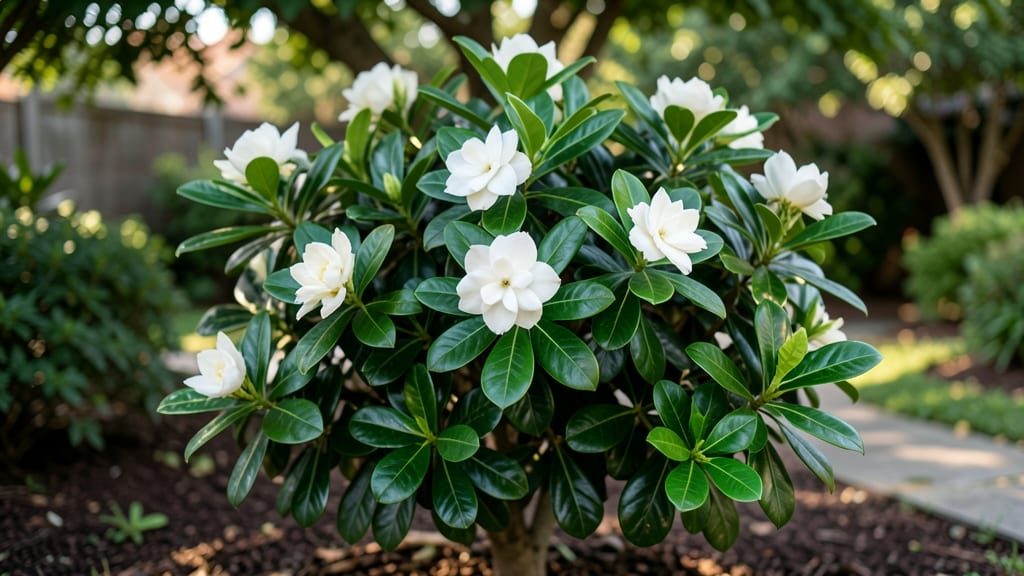
When do gardenias flower? Their blooms typically arrive between late spring and summer 🌸, turning your yard into a fragrant paradise—but timing can shift wildly depending on where you live and how you care for them.
Picture this: you’ve waited all year for those creamy-white blossoms, only to find your gardenia throwing buds that never open. That’s not just bad luck—it’s often a mix of climate, sunlight, and even pruning mistakes.
In Zone 6, blooms might start as early as June, while warmer zones like Florida can see them as soon as May.
What you can control is the prep work. The right pruning, soil acidity, and feeding schedule can push your gardenia to flower earlier—or at least guarantee a show when you expect it.
Below, I’ll break down the exact months for your zone, plus the three pruning tricks that make the difference between a sparse few blooms and a lush, fragrant display.
Ready to turn your gardenia from a sleepy shrub into a blooming star? Let’s get into the details—because timing isn’t just about when they flower, it’s about how you set them up to shine.
Gardenias flowering months by USDA climate zones: a seasonal breakdown
Gardenias are famous for their creamy-white, highly fragrant blooms, but their flowering windows vary dramatically across USDA climate zones. In Zone 7, you might enjoy blooms from June to August, while gardeners in Zone 11 can expect year-round displays—if conditions are perfect.
Understanding these variations helps you time pruning, fertilizing, and care to maximize your gardenia’s floral performance.
Latitude, humidity, and microclimates play huge roles. For example, gardenias in Florida’s Zone 9 often bloom earlier and longer than those in Southern California’s Zone 10, thanks to higher humidity.
Meanwhile, coastal areas in Zone 8 may see staggered blooms due to ocean breezes. Let’s break down the month-by-month flowering windows for each zone to help you plan your gardenia care.
| USDA Zone | Peak Bloom Months | Regional Notes | Care Tip |
|---|---|---|---|
| Zone 7 | June–August | Cooler summers delay blooms; prune after first frost. | Mulch heavily to protect roots. |
| Zone 8 | May–September | Humidity extends blooming; coastal areas bloom earlier. | Water deeply in dry spells. |
| Zone 9 | April–October | Florida gardenias bloom year-round with care. | Fertilize monthly during blooms. |
| Zone 10 | March–November | California’s dry heat shortens blooms; needs extra humidity. | Mist leaves daily in summer. |
| Zone 11 | Year-round (with care) | Tropical climates allow continuous blooms if soil stays acidic. | Test soil pH biannually. |
In Zone 7, gardenias typically bloom from June to August, with the heaviest displays in July. This zone’s cooler summers can delay bud formation, so I recommend planting heat-tolerant varieties like ‘Kleim’s Hardy’ if you’re in the northern edge of Zone 7.
Prune your gardenia right after flowering to encourage next year’s buds, but avoid heavy cuts—this can reduce blooms.
Gardeners in Zone 8 enjoy a longer bloom window, from May through September, thanks to warmer temperatures. However, humidity levels can vary dramatically—coastal areas like Georgia or South Carolina may see blooms as early as April, while inland regions might push blooms into late summer.
To extend your gardenia’s season, I suggest mulching with pine bark to retain moisture and acidify the soil naturally.
Zone 9 gardeners are in a sweet spot for gardenias, with blooms stretching from April to October. In Florida or Louisiana, you can even coax year-round blooms by maintaining consistent humidity and acid soil.
I’ve found that dwarf varieties like ‘Radicans’ thrive in containers here, allowing you to move them to shadier spots during peak summer heat to prevent leaf scorch.
Southern California’s Zone 10 presents unique challenges for gardenias due to low humidity. Blooms here typically run from March to November, but the dry air can cause buds to drop before opening.
To combat this, I recommend grouping gardenias together to create a microclimate with higher humidity. A daily light misting in the morning can also work wonders for bud retention.
If you live in Zone 11, you’re in the rare position of enjoying potential year-round blooms—if your gardenia is happy. These zones include Hawaii and Southern Florida, where tropical climates allow continuous flowering.
However, soil acidity becomes critical here. I test my soil every 6 months and amend it with sulfur or peat moss to keep the pH between 5.0 and 6.0.
Regardless of your zone, light exposure is non-negotiable for gardenias. They thrive on morning sun and afternoon shade, so I always plant mine near east-facing windows or under high-canopy trees.
In Zone 10 or 11, afternoon shade is especially crucial to prevent leaf burn during intense summer sun.
One final tip: Pruning timing varies by zone. In Zones 7–9, prune right after blooms fade to shape the plant and encourage next year’s buds. In Zones 10–11, where blooms can be staggered, I prune lightly in late winter to avoid cutting off potential flowers.
Always use sterilized shears to prevent disease spread.
By aligning your care routine with your local climate zone, you’ll unlock your gardenia’s full blooming potential. Whether you’re in cool Zone 7 or tropical Zone 11, these seasonal insights will help you enjoy fragrant
How to trigger gardenia blooms: pruning, light, and soil secrets
Gardenias reward patience with their creamy white, waxy blooms and intoxicating scent, but they demand precise care to flower reliably. The key to encouraging blooms lies in three critical factors: pruning timing, light exposure, and soil acidity.
Many gardeners mistakenly believe gardenias need full sun or heavy pruning to flower—both myths that can actually stifle blooms. Let’s debunk these misconceptions and unlock your gardenia’s full potential.
First, timing your pruning efforts is non-negotiable. Unlike many shrubs, gardenias form flower buds on old wood, meaning aggressive pruning in late winter can remove next year’s blooms. Instead, prune right after flowering to shape the plant while preserving next season’s buds.
This post-bloom pruning also promotes airflow, reducing fungal risks like powdery mildew, which can stress the plant and delay bud formation.
Light requirements are another common stumbling block. While gardenias thrive in bright, indirect light, they avoid harsh afternoon sun, which scorches their delicate leaves. A spot with 4-6 hours of morning sun followed by dappled shade is ideal.
In hotter climates (Zones 8-11), afternoon shade is essential—think east-facing windows or locations near deciduous trees that provide natural shade in summer.
🌸 Pruning Gardenias for Blooms: Pros and Cons
✅ DO THIS
- 🌿 Prune after blooms fade (late summer/early fall) to preserve buds on old wood.
- ☀️ Shape lightly in late winter (remove dead/diseased wood only) to avoid cutting next year’s flowers.
- 💧 Use sterilized pruners to prevent bacterial infections that stress the plant.
❌ AVOID THIS
- ✂️ Heavy pruning in late winter—removes flower buds forming on old wood.
- 🌞 Pruning in full sun—stresses the plant and increases disease risk.
- 🌱 Over-pruning young plants—delays maturity and flowering by 1-2 years.
Soil pH is the secret weapon for gardenia blooms. These divas thrive in acidic soil (pH 5.0-6.0), where they can absorb nutrients like iron and manganese critical for bud formation. Test your soil—if it’s alkaline (pH 7.0+), amend it with peat moss or sulfur to lower the pH gradually.
A mulch layer of pine needles also helps maintain acidity while retaining moisture. Without the right pH, your gardenia may produce leaves but no flowers, as nutrient deficiencies stunt bud development.
Debunking the over-pruning myth: Many gardeners fear pruning will stop blooms entirely, but the truth is more nuanced. Minimal, strategic pruning actually encourages healthier blooms by improving airflow and redirecting energy. The key is timing: Prune after flowering to shape the plant without sacrificing next season’s buds.
For container gardenias, a light trim in late winter (removing only dead wood) is safer than aggressive cuts.
To maximize blooms, pair these tips with consistent moisture and a balanced fertilizer (10-10-10) applied in early spring and summer. Avoid high-nitrogen fertilizers—they promote lush foliage at the expense of flowers.
With the right light, soil, and pruning routine, your gardenia will reward you with fragrant blooms from late spring to fall, turning your garden into a sensory paradise.
🌿 Remember: Gardenias are patient plants. It may take 2-3 years for young plants to establish and flower, but with these secrets, you’ll trigger blooms reliably year after year. Start with soil pH, then refine light and pruning—your nose (and neighbors) will thank you!