
Planting
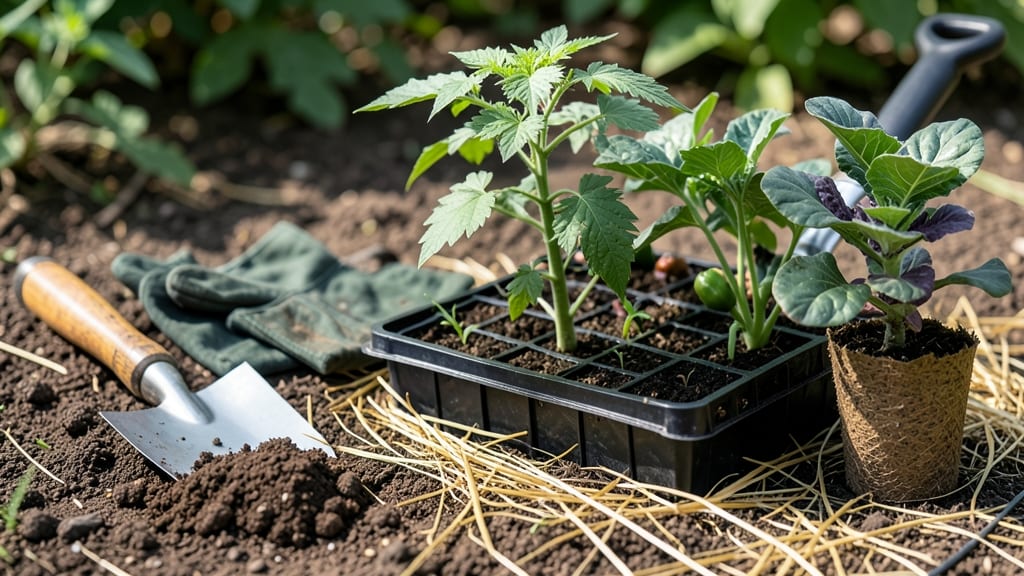
Planting a garden in South Carolina at the right time means the difference between a bountiful harvest and a sad, wilted disappointment — and the clock starts earlier than you might think.
If you’ve ever watched your seedlings shiver under a late frost or your tomatoes bolt in the summer heat, you know how quickly things can go wrong.
South Carolina’s Zone 7b-8a climate gives you two planting seasons, but timing is everything: too early, and frost zaps your efforts; too late, and the summer sun burns your crops before they mature.
Most gardeners in the Palmetto State plant their cool-season crops like lettuce and broccoli in late February to early April, while warm-season favorites like peppers and squash go in August to early September.
But here’s the catch: your exact dates depend on whether you’re in the Upstate, Coastal Plain, or somewhere in between.
In this guide, I’ll break down the precise planting windows for every major crop in your area, plus how to adjust for microclimates, soil types, and those pesky "almost-but-not-quite-right" moments. No more guessing — just a garden that thrives from seed to harvest.
South Carolina zone 8A planting calendar: exact dates for cool-season vs. warm-season crops
South Carolina’s Zone 8A climate offers gardeners a 210-day frost-free growing season, but timing is everything. The last frost typically arrives around March 15 (varies slightly by region), while the first frost usually hits November 15.
These dates create two distinct planting windows: cool-season crops thrive in early spring and fall, while warm-season crops demand summer heat. Understanding these windows ensures your tomatoes, kale, and marigolds grow strong and productive.
In Columbia, gardeners can start cool-season crops like broccoli and spinach as early as late February, while Charleston’s coastal microclimate allows for slightly earlier plantings. Meanwhile, Greenville’s Piedmont region may experience 1-2 weeks later last frost dates.
Warm-season favorites like peppers and squash should wait until after May 1, when soil temperatures consistently stay above 60°F. This calendar breaks down the exact dates for each crop type to maximize your harvest.
For cool-season crops, think leafy greens like lettuce and kale, which tolerate light frosts. Start seeds indoors in late January for transplants ready by March 1. In Charleston’s coastal areas, you can push this window back by 2 weeks thanks to milder winters.
Always check soil temperatures—cool-season crops struggle in soil above 65°F. Use a soil thermometer to confirm readiness before planting.
Warm-season crops like tomatoes and okra need consistent warmth to thrive. Wait
How to adjust planting times for South Carolina’s microclimates and soil conditions
South Carolina’s diverse geography creates unique gardening challenges. The coastal regions have high humidity and sandy soils, while the Piedmont area faces intense summer heat and clay-heavy soil. Even within these zones, microclimates—like shaded spots or sunny slopes—can shift planting times by weeks.
Understanding these variations helps you extend growing seasons and avoid common pitfalls like bolting or stunted growth.
For coastal gardeners, humidity and salt spray demand careful timing. Plant warm-season crops like okra and sweet potatoes in late April to May to avoid fungal diseases. In the Piedmont, where soil stays warmer longer, start cool-season crops like broccoli in early September for fall harvests.
Meanwhile, sandy soils drain too quickly, while clay holds moisture too long—both require amendments and irrigation adjustments.
🌱 Key Adjustments for SC Microclimates
- 1. Coastal Humidity: Delay warm-season planting until after May 15 to avoid fungal risks. Use row covers for early spring starts.
- 2. Piedmont Heat: Plant heat-tolerant crops like peppers and tomatoes by April 1 for summer harvests. Mulch heavily to retain moisture.
- 3. Sandy Soils: Water twice daily in summer. Amend with compost and peat moss before planting.
- 4. Clay Soils: Plant in raised beds or amend with gypsum. Avoid overwatering to prevent root rot.
- 5. Microclimates: Shaded areas? Choose partial-shade crops like lettuce. Sunny slopes? Prioritize drought-resistant plants like rosemary.
- 6. Succession Planting: Stagger plantings every 2-3 weeks for continuous harvests (e.g., beans, carrots).
Extend your growing season with seasonal tools like cold frames or row covers. In coastal areas, use floating row covers to protect seedlings from wind and pests. For Piedmont gardens, low tunnels can push spring planting back by 3-4 weeks.
Always check soil temperatures—warm-season crops need soil at 65°F+, while cool-season crops thrive at 50-65°F.
Succession planting is your secret weapon. Instead of planting all your bush beans at once, sow half in May, half in June to avoid gluts. For leafy greens like kale, make monthly sowings from August to October in the Piedmont.
In coastal zones, focus on heat-tolerant varieties like Malabar spinach for summer harvests.
Don’t overlook soil testing—SC soils vary wildly. Coastal sands may need organic matter additions, while Piedmont clays benefit from sand and compost blends. Adjust your watering schedule too: clay soils need deep, infrequent watering, while sandy soils require frequent, shallow moisture.
A simple permeability test (dig a hole, fill with water, time drainage) reveals your soil’s quirks.
When in doubt, plant a test row of fast-growing crops like radishes or lettuce to gauge your microclimate’s readiness. Note when they sprout and mature—this gives you a local benchmark. With these adjustments, you’ll turn SC’s challenges into garden advantages, enjoying harvests from spring to frost. 🌿