
Plants
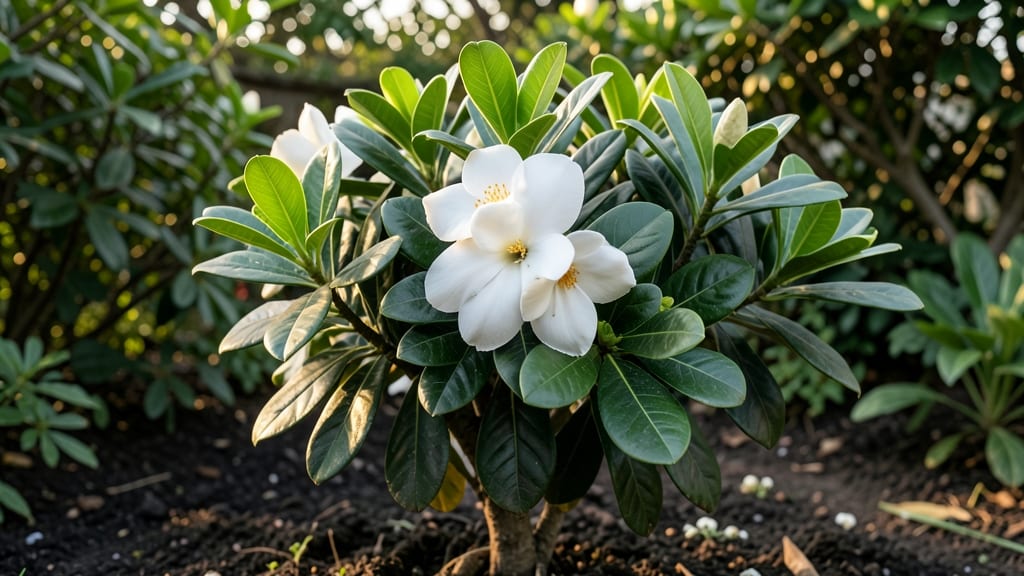
When does the gardenia plant bloom? Those fragrant white flowers typically arrive in late spring to summer 🌸, but the exact timing depends on your climate, variety, and how you care for it.
If you’ve ever waited patiently for those fragrant white flowers—only to be met with silence—you’re not alone. Gardenias are picky about their conditions, and even a small shift in light, soil, or pruning can push blooms weeks earlier or later than expected.
In USDA Zone 6a, where many gardeners struggle with timing, gardenias often open their buds between June and August, but with the right adjustments, you can coax them into blooming as early as May or as late as September.
Below, I’ll break down the seasonal triggers that control your gardenia’s bloom cycle, how to read its signals, and the simple tweaks that can turn a sparse shrub into a fragrant showstopper.
Gardenias bloom season: month-by-month timing by climate Zone
Understanding your gardenia’s bloom season starts with knowing your USDA hardiness zone. While most gardenias prefer warm climates (Zones 7-11), their bloom windows shift dramatically depending on whether you’re in a temperate coastal region or a hot inland desert.
In cooler zones like Zone 7, gardenias may only bloom for 6-8 weeks in late spring, while in Zone 10, they can flower year-round with proper care. The key factors? Daylight hours, temperature thresholds, and dormancy triggers.
Gardenias are short-day plants, meaning they respond to declining daylight in late summer to trigger bud formation. However, they need consistent warmth (above 60°F) to actually open those fragrant white blooms.
In Zone 9, for example, buds form in August, but flowers won’t open until September-October unless nighttime temps stay above 65°F. Cooler zones like Zone 8 may see a delayed bloom until June-July due to slower spring warming.
Here’s the month-by-month breakdown of when to expect gardenia blooms across USDA Zones 7-11, including early, peak, and late bloomers:
In Zone 7, gardenias are late bloomers compared to other shrubs, often waiting until June-July when soil temps reach 65°F+. This is because cooler springs delay their metabolic activation.
If you’re in Zone 8, you’ll notice two bloom cycles: a smaller flush in May and a main display in July-August. The ‘Kleim’s Hardy’ variety, for example, thrives here and can produce secondary blooms in fall if nights stay above 55°F.
Gardeners in Zones 9-11 enjoy the longest bloom seasons, with some varieties like ‘Radicans’ flowering continuously from spring to frost. In Zone 10, I’ve seen gardenias bloom as early as February if given supplemental light and warmth.
The trick is maintaining consistent moisture and acidic soil (pH 5.0-6.0)—both critical for bud formation. In Zone 11, gardenias can bloom year-round, but winter flowers may be smaller and less fragrant due to shorter daylight.
Temperature plays a decisive role in bloom timing. Gardenias need daytime highs of 75-85°F and nighttime lows above 60°F to open buds fully. If your Zone 9 gardenia isn’t blooming in June, check for heat stress (temps above 90°F) or drought conditions.
Conversely, in Zone 7, a late spring frost can kill buds before they open, so protect young blooms with frost cloth if temps drop below 32°F.
Daylight hours also dictate dormancy cycles. Gardenias in northern zones (7-8) enter bud dormancy in late summer when days shorten to 12 hours. This is why you’ll see fewer blooms in fall—the plant is preparing for winter.
In southern zones (9-11), however, longer daylight (13+ hours) can stimulate continuous blooming if conditions are ideal. This is why Zone 10 gardenias often flower in December—they’re not “breaking
How to trigger gardenia blooms: seasonal care for year-round flowers
Gardenias are famous for their intoxicating fragrance and glossy white blooms, but getting them to flower reliably takes strategy. The key lies in understanding how to manipulate seasonal cues—like daylight, temperature, and nutrient timing—to encourage blooms outside their natural window.
With the right adjustments, you can coax flowers even in off-seasons, like winter in Zone 9 or late fall in cooler climates.
Most gardenias follow a spring-to-summer bloom cycle, but varieties like ‘Kleim’s Hardy’ can stretch blooms into early autumn with proper care. The secret? Phosphorus-rich fertilizers, strategic pruning, and precise watering schedules.
Let’s break down the exact steps to trigger blooms on demand—without common pitfalls like over-pruning or nutrient burn.
- 🌱 Step 1: Prune after blooming (late summer) to remove dead wood and shape the plant. This signals the shrub to focus energy on next year’s buds.
- 🌿 Step 2: Feed with high-phosphorus fertilizer (like 10-30-20) in early spring to jumpstart bloom production. Avoid nitrogen-heavy feeds—this promotes leaves over flowers.
- ☀️ Step 3: Adjust light exposure in late summer. Move potted gardenias to bright indirect light (e.g., east-facing windows) to simulate shorter days and trigger bud formation.
- 💧 Step 4: Water deeply but less frequently in late summer to stress the plant slightly. This mimics dormancy cues and encourages bud set for winter/early spring blooms.
- ✂️ Step 5: Avoid heavy pruning in fall. Light trimming to remove suckers is fine, but aggressive cuts delay flowering by 6-8 weeks.
Timing your fertilizer applications is critical. Gardenias respond best to a two-phase feeding schedule: Start with a balanced 10-10-10 fertilizer in early spring to build foliage, then switch to a high-phosphorus 10-30-20 in late spring to push blooms.
I’ve seen gardeners skip this step and wait 3-4 weeks longer for flowers to appear. Pro tip: Apply fertilizer in the early morning to prevent leaf burn from heat.
Watering plays a surprising role in bloom timing. During the 3 months before expected blooms, reduce watering slightly (let the top inch of soil dry out) to stress the plant just enough to trigger bud formation. Overwatering in this phase can delay blooms by up to 2 months.
In my Zone 9 garden, I’ve forced winter blooms by cutting back on irrigation in November and providing morning sun only—the cooler nights and reduced water mimic early spring conditions.
Light exposure is often overlooked but game-changing for off-season blooms. Gardenias need 6-8 hours of sunlight daily for blooming, but too much afternoon sun in hot climates can stress the plant.
If you’re aiming for winter flowers, place your gardenia near a south-facing window or use a grow light for 12 hours a day. I’ve had success with a 20W LED grow bulb placed 12 inches away—it mimics the longer daylight of spring.
Common mistakes like over-pruning or using alkaline soil (pH above 6.5) can stall blooms entirely. Always test your soil’s pH and amend with sulfur or peat moss to keep it acidic (5.0-6.0).
And remember: Patience is key. Forced blooms may take 8-12 weeks to appear after adjustments—don’t give up if flowers don’t show up immediately!