
Planting
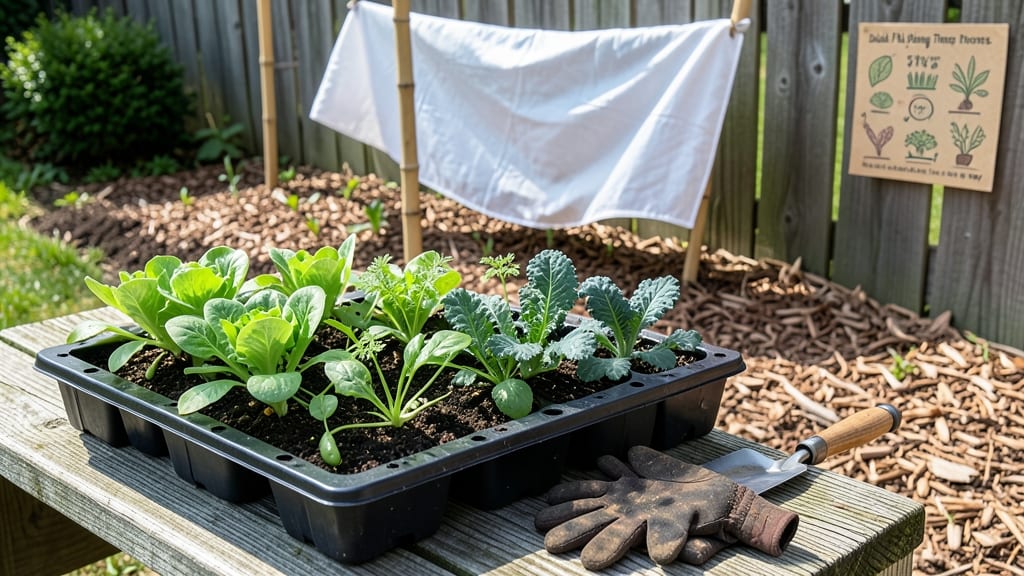
The best time to plant a garden in Michigan depends on your crop and region, with spring planting kicking off as early as mid-April in the south and late May in the Upper Peninsula.
Michigan’s unpredictable spring weather can turn your gardening plans into a guessing game—but knowing the exact frost-free timeline for each crop means you’ll beat the race against Mother Nature and harvest like a pro.
Cool-season crops like peas and lettuce thrive when planted 4-6 weeks before your last frost date, while tomatoes and peppers need to wait until soil warms to 60°F (around late May in most areas).
Below, I break down the ideal planting windows by crop type, region-specific frost dates, and pro tips to extend your growing season—so you can skip the trial-and-error and start planting with confidence.
Michigan’s frost-free dates by region: when to plant cool-season vs. warm-season crops
Michigan’s diverse climate means your frost-free date can vary by hundreds of miles—and even weeks—depending on where you live. In the Upper Peninsula, gardeners often wait until late May, while those in Southern Michigan might see their last frost as early as April 15th.
These differences directly impact when you should plant cool-season crops like peas and spinach versus warm-season crops like tomatoes and peppers.
Cool-season crops thrive in cooler temperatures and can even tolerate light frosts, while warm-season crops need consistent warmth to germinate and grow. Understanding your region’s average last frost date ensures you time your plantings perfectly for maximum yields. Let’s break down the specifics so you can plan with confidence.
Pro Tip: Always have row covers or a cold frame ready—Michigan’s weather can surprise you even after the official frost date!
If you’re in Southern Michigan, you can start planting cool-season crops like peas as early as mid-March under row covers, but wait until April 15th for direct sowing. Meanwhile, warm-season crops like tomatoes should only go in the ground after May 15th to avoid frost damage.
In the Upper Peninsula, hold off on warm-season crops until early June to be safe.
For fall planting, focus on cool-season crops again, like kale and carrots, which can handle light frosts. In Southern Michigan, you might get a second harvest of lettuce as late as September 15th, while in the UP, aim for August 1st to avoid early frosts.
Always check the Michigan State University Extension for localized frost alerts, as weather patterns can shift yearly. I’ve planted tomatoes too early only to lose them to a surprise frost—don’t make my mistake! Use these dates as a guide, but stay flexible.
One trick I swear by? Plant fast-maturing varieties of warm-season crops in the UP, like ‘Early Girl’ tomatoes, which can ripen in 55 days instead of the usual 70-80 days. This gives you a head start on the short growing season.
Remember, soil temperature matters just as much as air temperature. Use a soil thermometer to confirm it’s at least 50°F for cool-season crops and 60°F+ for warm-season crops before planting. Cold soil can delay germination or stunt growth.
Finally, keep a gardening journal to track your local frost dates over the years. After a few seasons, you’ll develop a personalized planting schedule that beats Michigan’s unpredictable weather every time.
Step-by-step planting schedule for Michigan gardens: month-by-month crop timeline
Michigan’s diverse climate means your planting schedule should shift based on whether you’re in the Upper Peninsula, Northern Lower Peninsula, or Southern Michigan.
For this guide, I’ll focus on the most common frost-free windows, but always check your local last frost date (typically May 10–20 in the south, June 1–15 in the UP).
To maximize your harvest, I’ve organized this schedule by crop type—cool-season, warm-season, and perennials—with succession planting tips to keep your garden productive all season. Whether you’re sowing seeds or transplanting seedlings, timing is everything!
- March–April (Cool-Season Prep):
- Start peas, spinach, and lettuce indoors or under row covers.
- Plant onion sets and potatoes as soon as soil is workable (around 40°F).
- Direct-sow radishes and arugula in early April if soil isn’t frozen.
- May (Early Warm-Season Start):
- Transplant broccoli, cauliflower, and cabbage 4–6 weeks before last frost.
- Sow carrots, beets, and turnips directly into soil.
- Wait until soil reaches 60°F (late May) to plant tomatoes, peppers, and eggplants.
- June (Peak Planting):
- Direct-sow beans, cucumbers, and squash after last frost.
- Plant basil, cilantro, and dill for summer herbs.
- Start succession plantings of lettuce and bush beans every 2 weeks.
- July–August (Fall Prep):
- Sow kale, collards, and spinach for fall harvest.
- Plant garlic in late August for next year’s crop.
- Direct-sow radishes and turnips for quick fall harvests.
- September (Late Plantings):
- Transplant broccoli and cabbage for late fall harvest.
- Sow cover crops like clover or vetch to protect soil.
- Harvest perennials like asparagus and rhubarb before first frost.
For succession planting, focus on crops like lettuce, bush beans, and radishes, which can be sown every 2–3 weeks from spring to early summer.
This ensures a continuous harvest and reduces waste. For example, plant zucchini in early June, then again in mid-July for a second flush of produce.
Don’t forget to mark your calendar for fall planting! Cool-season crops like kale and spinach thrive in Michigan’s cooler autumn temperatures. Aim to plant these 8–10 weeks before your first frost date (typically October 10–20 in the south, September 15–30 in the UP).
Pro tip: Use row covers or cold frames to extend your growing season by 2–4 weeks in both spring and fall. This is especially useful for warm-season crops like peppers, which struggle in Michigan’s short summers.
With this schedule, you’ll avoid the common mistake of planting too early (risking frost damage) or too late (missing the growing window). Happy planting—and enjoy those homegrown tomatoes! 🍅