
Planting
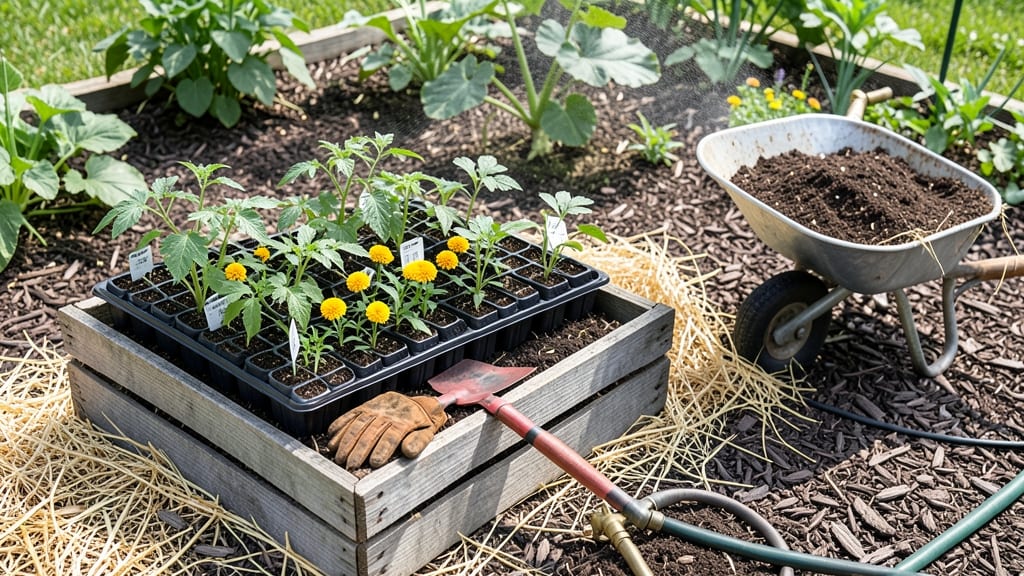
Planting a garden in Ohio at the right time means catching the frost-free window between mid-April and late May—when soil warms enough for seeds to sprout and seedlings to thrive.
Ohio’s unpredictable spring weather can leave gardeners guessing—plant too early, and frost ruins your hard work; too late, and you miss peak harvests. But with the right frost-free timeline, you can maximize your garden’s potential in Ohio’s diverse growing zones.
Northern Ohio’s Zone 5 gardeners should wait until after the last frost (usually May 15), while southern Ohio’s Zone 6-7 growers can start as early as March 15 for cold-hardy crops like peas and spinach.
Below, I break down the best planting schedule by crop type, frost dates by zone, and pro tips to extend your growing season—so you can enjoy a bountiful harvest from spring to fall.
Ohio’s frost-free planting zones: when to start seeds and transplants
Ohio spans USDA Hardiness Zones 5 through 7, meaning gardeners in northern Ohio (Zone 5) face later last-frost dates than those in southern Ohio (Zone 7). Understanding your zone helps you time seed starts and transplants precisely to avoid frost damage while maximizing harvests.
For example, tomatoes in Zone 5 need to wait until mid-May, while Zone 7 gardeners can plant them by early April.
Your last average frost date is the critical benchmark for planting frost-sensitive crops like peppers and eggplants. In Ohio, these dates range from April 15 in Zone 7 to May 15 in Zone 5.
Meanwhile, cold-hardy crops like spinach and onions can often be sown 4-6 weeks before your last frost date, sometimes as early as mid-March in southern Ohio.
Here’s a quick reference for Ohio’s frost-free planting windows by zone, including ideal transplant dates for warm-season crops and cool-season crops:
| Zone | Last Frost Date | Early Spring Crops (Peas, Spinach, Lettuce) | Late Spring Crops (Tomatoes, Peppers, Eggplants) | Fall Planting Window |
|---|---|---|---|---|
| Zone 5 (Northern OH) | May 15 | March 15–April 15 (seed) | May 1–May 15 (transplant) | August 1–September 1 |
| Zone 6 (Central OH) | April 25 | March 1–April 1 (seed) | April 15–May 1 (transplant) | July 15–August 15 |
| Zone 7 (Southern OH) | April 15 | February 15–March 15 (seed) | March 15–April 1 (transplant) | June 15–July 30 |
For Zone 5 gardeners, cool-season crops like kale and radishes can often be planted as early as late March, provided the soil is workable. Use row covers to protect tender seedlings from late frosts.
Meanwhile, warm-season crops like cucumbers and squash should wait until soil temperatures reach at least 60°F, typically late May in northern Ohio.
In Zone 6, you can push the envelope slightly. Peas and onions can be sown as early as February 15 under row covers, while tomatoes and peppers can often be transplanted by April 15.
This zone offers a longer fall planting window, allowing for a second harvest of spinach or carrots in September.
Zone 7 gardeners enjoy the earliest planting dates in Ohio. Spinach and lettuce can be sown in January under protective coverings, and tomatoes can be transplanted as early as March 15. However, even in this zone, a late frost can still occur, so always monitor local weather forecasts and have row covers ready.
To extend your growing season, consider succession planting. For example, sow bush beans every 2 weeks from May to July to ensure a continuous harvest.
Similarly, radishes mature in just 30 days, making them perfect for late summer plantings in Zone 7 or early spring in Zone 5.
Always check the Ohio Agricultural Research and Development Center (OARDC) for localized frost data, as microclimates (like urban heat islands or sheltered valleys) can shift your last frost date by 1-2 weeks.
For instance, Columbus (Zone 6) may experience frost 10 days later than Toledo (Zone 5), even though they’re only 60 miles apart.
Pro tip: Use biodegradable seed starter pots for transplants to avoid disturbing roots when hardening off. This is especially useful for peppers, which are sensitive to root damage and take longer to establish in Ohio’s cool soils.
By aligning your planting schedule with Ohio’s frost-free zones, you’ll avoid the heartbreak of frost-nipped seedlings and enjoy bountiful harvests from spring through fall. Start with cold-hardy crops, then transition to warm-season plants once the risk of frost has passed—your garden will thank you! 🌱
Best planting schedule by crop type: Ohio’s frost-tolerant vs. heat-loving vegetables
Ohio’s diverse climate means some crops thrive in cool spring soil while others need warmth to germinate. Frost-tolerant greens like lettuce and spinach can handle early spring plantings, while tomatoes and peppers need to wait until soil warms to 60°F or higher.
Understanding these differences helps you plan for successive harvests throughout the season.
In northern Ohio (Zone 5), the last frost typically occurs around April 15–May 1, while southern Ohio (Zone 6-7) sees frost-free conditions by March 20–April 15. This timeline dictates when to plant cold-hardy vs. heat-loving crops for maximum yield.
For example, peas and radishes can go in as early as March in Zone 6, but cucumbers and squash should wait until after Memorial Day.