
Planting
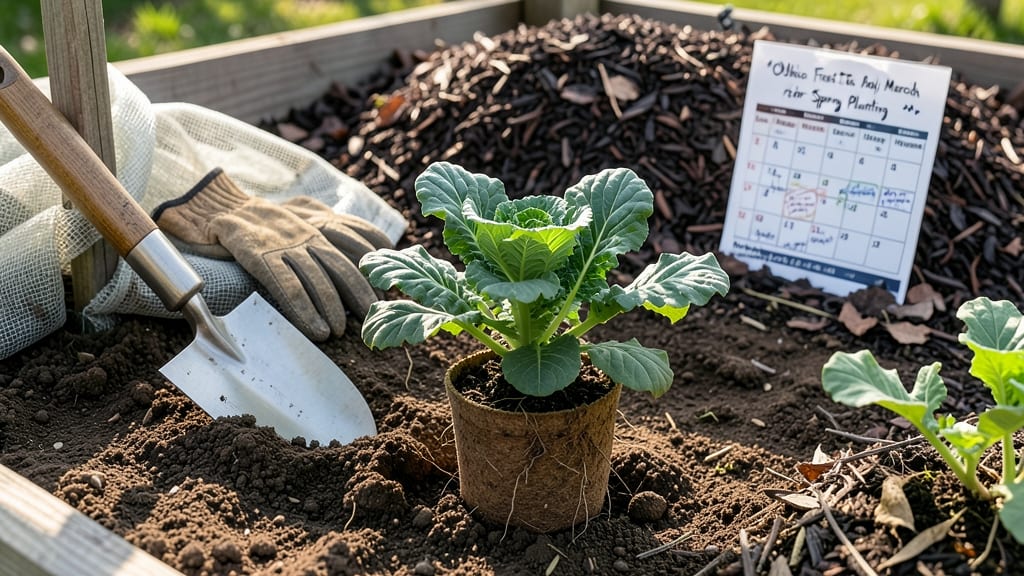
You should plant a garden in Ohio after the last spring frost, typically between March 20 and April 15, depending on your exact zone.
Ohio’s unpredictable frost dates can make or break your garden—plant too early, and your seedlings will freeze; too late, and you’ll miss peak harvests. Timing is everything, yet most gardeners get it wrong without knowing Ohio’s real frost-free zones.
This guide breaks down the best planting windows for your specific USDA zone, whether you’re growing tomatoes that need warm soil or peas that tolerate light frosts. I’ll also share how to stretch your season with row covers and when to start seeds indoors for a head start.
By the end, you’ll know exactly when to plant each crop, how to adjust for Ohio’s wet springs, and which tools to use for foolproof success—no more guessing, just great harvests.
Ohio’s frost-free dates by Zone: when to plant cool-season vs warm-season crops
Ohio’s gardening success hinges on understanding its frost-free dates, which vary dramatically across USDA zones 5–7. The last spring frost typically arrives between March 20–April 15, while the first fall frost strikes between October 10–November 1.
These dates create a 160–180-day growing window—just enough for warm-season crops but challenging for cool-season plants that need early starts.
Regional differences matter: Cincinnati (Zone 6a) often enjoys 10–14 days earlier last frosts than Toledo (Zone 5b), while Cleveland (Zone 6a) falls in between. Microclimates near lakes or urban heat islands can shift these dates by 1–2 weeks, making local knowledge critical.
Always check Ohio State University Extension’s frost maps for your specific county.
Cool-season crops like spinach, peas, and kale thrive when planted 4–6 weeks before the last frost, while warm-season favorites such as tomatoes and peppers need soil temperatures above 60°F—usually mid-April in southern Ohio but early May in the north.
Timing these windows correctly determines whether you’ll harvest or watch your plants wilt.
Here’s a quick reference for Ohio’s planting zones and frost-free periods, tailored to your location:
For cool-season crops, start seeds indoors 6–8 weeks before the last frost date. Hardy varieties like broccoli and cabbage can handle light frosts, but avoid planting after July 1—they’ll bolt in Ohio’s heat.
Warm-season crops, including beans, squash, and corn, need soil temperatures above 55°F to germinate, so wait until after May 1 in northern Ohio.
Ohio’s variable weather means you should always have frost cloth ready for late spring surprises. I once lost an entire tomato transplant batch in late April when a 30°F night hit Cincinnati—learn from my mistake! Use row covers or black plastic mulch to warm soil faster and protect tender seedlings.
Succession planting is key in Ohio’s short season. For example, sow lettuce every 2 weeks from March to July to ensure continuous harvests. Similarly, radishes mature in 25 days, making them perfect for filling gaps between slower-growing crops like carrots (70+ days).
Plan your garden like a puzzle, with each piece (crop) fitting into Ohio’s 160-day window.
If you’re in Zone 5b or 6a, consider cold-hardy varieties like ‘Winterbor’ kale or ‘Sugar Snap’ peas—they’ll survive light frosts and extend your harvest into November. For Zone 7a, you can push the envelope with fall-planted onions
Best planting schedule for Ohio’s top 10 vegetables (with frost tolerance guide)
Ohio’s short growing season demands precision when planting vegetables. Miss the window by even a week, and your tomatoes or peppers may never mature. The key is understanding each crop’s frost tolerance and heat requirements—some thrive in cool spring soil, while others need warmth to germinate.
Let’s break down the best planting schedule for Ohio’s top 10 vegetables, ranked by frost sensitivity, so you can maximize your harvest without risking frost damage.
For Ohio gardeners, the last frost date typically falls between March 20 and April 15, while the first frost arrives around October 10–November 1. This leaves roughly 180–210 frost-free days, which is why selecting the right planting window matters.
Warm-season crops like tomatoes and peppers need all those days to reach maturity, while cool-season crops like lettuce and spinach can handle light frosts. Below are my top tips to get your garden on track.
- 1 Plant peas and spinach 4–6 weeks before last frost (early March). These cold-hardy crops can handle light frosts and even thrive in cooler soil.
- 2 Sow lettuce and kale 3–4 weeks before last frost (late March). These leafy greens grow quickly and can be harvested multiple times for continuous yields.
- 3 Start tomatoes and peppers indoors 6–8 weeks before last frost (late January–early February). Ohio’s short season means these warm-season crops need a head start to avoid stunted growth.
- 4 Transplant seedlings outdoors 2 weeks after last frost (mid-April). Wait until soil temperatures reach at least 55°F to prevent shock in tomatoes and peppers.
- 5 Direct-sow beans and cucumbers 2 weeks after last frost (mid-April). These heat-loving crops need warm soil to germinate, so avoid planting too early.
- 6 Plant fall crops like kale and radishes 6–8 weeks before first frost (early September). These cool-season crops can handle Ohio’s early chills and often taste sweeter after frost.
- 7 Avoid planting sweet corn after July 1. Ohio’s short season means corn needs 90–110 days to mature, so late plantings risk immature ears before frost.
One of the biggest mistakes Ohio gardeners make is planting peas too late. While peas are frost-tolerant, they grow best in cool soil and can bolt if temperatures rise too quickly. If you miss the spring window, consider planting sugar snap peas in early fall for a second harvest.
Another common error is underestimating the heat requirements of tomatoes and peppers. Use a heat-unit calculator (available from OSU Extension) to track your region’s accumulated heat and adjust planting dates accordingly.
For a foolproof schedule, I recommend using row covers or cold frames to extend your season. These tools can add 2–4 extra weeks of growing time, giving warm-season crops like eggplants a fighting chance in Ohio’s shorter zones.
Always monitor your local frost forecast and have a plan to protect tender plants if late frosts strike.
Remember, Ohio’s microclimates vary—urban areas like Columbus may experience heat islands, while rural spots near Toledo can be cooler. Adjust your planting dates based on your specific location, and don’t hesitate to start seeds indoors for a head start on the season. With the right timing,