
Tools
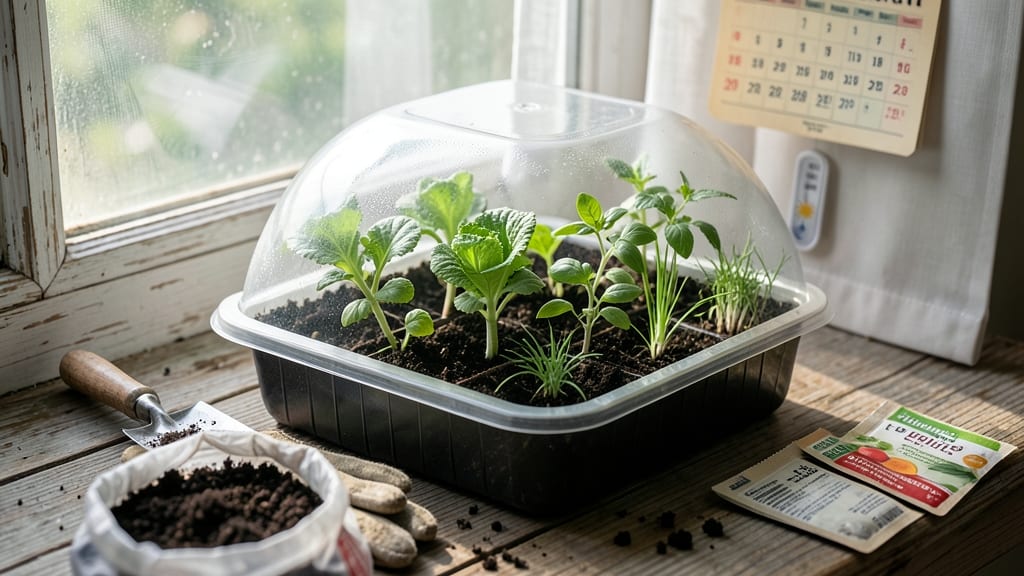
The best time to start a garden depends on your climate zone: warm regions should begin in early spring (March–April), cool zones wait until after the last frost (April–May), while tropical areas can plant year-round with seasonal adjustments for rainfall. Always verify local frost dates and soil temperatures for optimal results.
The timing of your garden's start hinges on two critical factors: your region's last frost date and soil temperature thresholds for seed germination. 🌱 For example, cool-season crops like spinach thrive when planted weeks before the last frost, while warm-season plants such as tomatoes need soil that's consistently above 60°F.
I've learned that even within a single climate zone, microclimates—like urban areas that warm faster—can shift planting windows by 2-3 weeks. Checking your local USDA hardiness zone and using a soil thermometer ensures you're planting when conditions are truly right.
This approach minimizes transplant shock and maximizes yield potential. For instance, in Zone 5, I start cold-hardy greens in early April, but wait until late May for peppers—even though both are technically "spring" crops.
The key is matching each plant's specific temperature needs with your local conditions, not just following a generic calendar.
💡 In This Article
- Understanding Climate Zones and Frost Dates
- Seasonal Planting Schedules by Region
Understanding climate zones and frost dates
The USDA Plant Hardiness Zone Map divides the U.S. into 13 zones based on average annual minimum temperatures, which directly impacts when you can safely plant.
For example, Zone 3 (like Minnesota) has average winter lows of -40°F to -30°F, while Zone 10 (like Southern California) rarely drops below 30°F. These zones help predict when frost-free periods begin, but they're just a starting point—the real magic happens at the local level with last frost dates.
Soil temperature matters more than air temperature for seed germination. Most vegetables need soil to reach 40-50°F for cool-season crops like lettuce, while warm-season plants like cucumbers require 60-70°F.
A soil thermometer is your best friend here—planting too early when soil is cold can leave seeds dormant or cause rot. I've seen gardeners in Zone 6 plant tomatoes in May only to have them fail because the soil stayed below 55°F for weeks.
Microclimates create planting windows that can vary by 2-4 weeks even within the same zip code. Urban areas with concrete and buildings heat up faster than rural fields, creating "heat islands" where you might plant 10-14 days earlier.
South-facing slopes get sunlight longer, warming up quicker than north-facing areas. Even a 10-foot elevation change can shift frost dates by 3-5 days—that's why high-altitude gardens (like Denver) often plant 2 weeks later than their lowland neighbors.
Frost dates aren't just about avoiding damage—they're about timing plant growth cycles. Cool-season crops like broccoli need 60-80 days to mature, so planting them 4-6 weeks before last frost ensures they're ready to harvest before summer heat stresses them.
Warm-season plants need the full growing season, which is why you'll see tomato plants in nurseries only after Memorial Day in most northern states.
Here's what actually happens when you ignore these factors: Seeds planted in cold soil may take 2-3 times longer to germinate, or not at all. Transplants shocked by late frosts develop blackened leaves and stunted growth.
The 30-day rule helps—wait until you've had 30 consecutive frost-free days before planting warm-season crops, which gives you a safety margin against unexpected cold snaps.
For practical application, use your local cooperative extension service's frost date data (available online) and adjust by 1-2 weeks based on your microclimate. I keep a garden journal to track when my local soil hits 50°F each spring—this helps me predict future planting windows with 90% accuracy.