
When Is the Best Time to Start a Vegetable Garden: Zone-Specific Deadlines for Zero-Frost Risk Crops

Tools

When Is the Best Time to Start a Vegetable Garden: Zone-Specific Deadlines for Zero-Frost Risk Crops

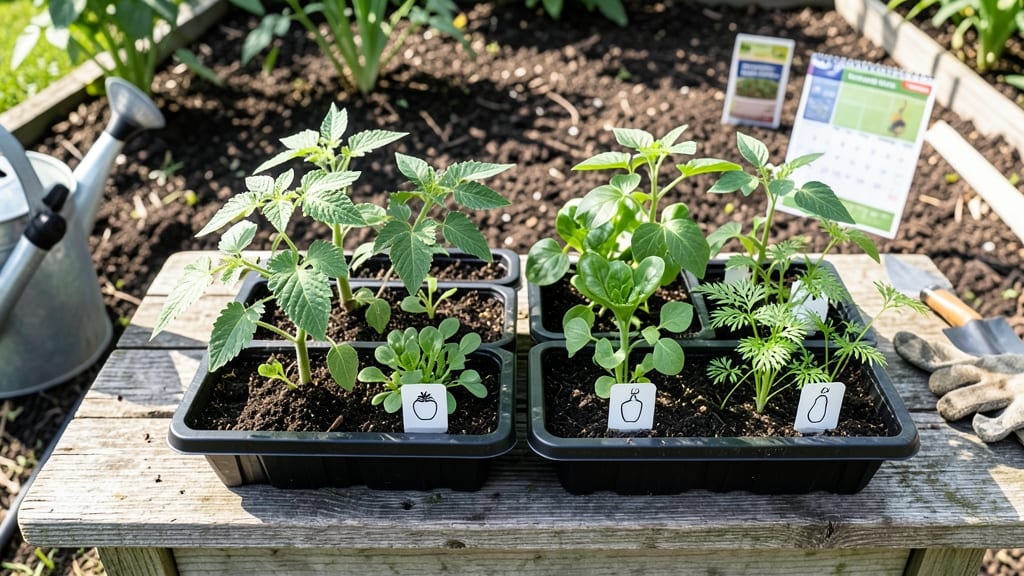
Starting a vegetable garden at the right time means the difference between a thriving harvest and a sad, frost-nipped failure — and the best time depends on your zone, your crops, and the calendar.

Picture this: You’ve prepped the soil, ordered seeds, and cleared your weekend schedule — only to watch a late frost turn your tender seedlings into sad, wilted confetti.

That’s why timing isn’t just about the season; it’s about the last frost date in your area and the heat tolerance of what you’re planting.

In USDA Zone 6a, where many gardeners call home, the sweet spot for frost-sensitive crops like tomatoes and peppers is 2-4 weeks after your average last frost (usually mid-April to early May).

But cooler-loving greens? They can go in as soon as the soil warms to 40°F — sometimes even in early spring or late summer.

Below, I’ll break down the exact deadlines by zone, how to read seed packets like a pro, and the 3 biggest mistakes that derail early planting — so you can avoid them and get your 🌱 vegetable garden off to the right start.

Zone-specific planting deadlines for zero-frost risk vegetables

Getting your heat-loving vegetables in the ground at the right time is crucial for a successful harvest. Tomatoes, peppers, and cucumbers won’t tolerate frost, so knowing your last frost date and frost-free window is essential.

These zero-frost risk crops thrive when planted after all danger of frost has passed—and missing that window can mean stunted growth or total loss.

Your USDA hardiness zone determines when you can safely plant frost-sensitive crops. For example, gardeners in Zone 3 have a much shorter frost-free window compared to those in Zone 10. Even within the same zone, coastal areas often experience later frosts than inland regions, so local conditions matter.

Let’s break down the exact planting deadlines by zone to help you time it perfectly.

Pro Tip: Always check your local last frost date using the USDA Plant Hardiness Zone Map or your local cooperative extension service. These dates can shift by 1-2 weeks depending on microclimates like urban heat islands or valleys. For coastal gardeners, expect 2-4 weeks later than inland areas in the same zone.

USDA Zone Last Frost Date Ideal Planting Window Key Crops to Plant Regional Note
Zone 3 Mid-May June 1 - June 15 Tomatoes, Peppers, Basil Short season; use cold frames
Zone 4 Late May May 20 - June 10 Tomatoes, Cucumbers, Eggplant Start indoors 6-8 weeks early
Zone 5 Early May May 10 - May 30 Peppers, Okra, Sweet Potatoes Coastal areas: wait 2 weeks
Zone 6 Mid-April April 20 - May 15 Tomatoes, Basil, Cucumbers Urban heat islands: plant 1 week earlier
Zone 7 Early April March 25 - April 15 Peppers, Eggplant, Melons Valleys: wait until April 15
Zone 8 Mid-March March 1 - March 15 Tomatoes, Okra, Sweet Corn Coastal: March 15 - April 1
Zone 9 Late February February 15 - March 1 Peppers, Cucumbers, Basil

How to calculate your local planting window without guessing

Determining the perfect time to start your vegetable garden isn’t about guessing—it’s about using data-driven deadlines. Your local frost-free dates are the foundation, but microclimates and seed packet guidelines add precision.

Let’s break down how to pinpoint your exact window so you can avoid frost damage while maximizing your growing season.

Start by checking the NOAA Climate Data for your zip code. This free resource provides historical frost dates and helps you calculate your last spring frost and first fall frost.

For example, if your area averages a last frost on April 15, wait until 2 weeks after that date to plant frost-sensitive crops like tomatoes or peppers. This buffer ensures your seedlings aren’t caught in a surprise freeze.

  1. 📅 Step 1: Find your USDA Zone and NOAA frost dates for your exact location.
  2. 🌡️ Step 2: Check soil temperature—most seeds need 60°F+ to germinate.
  3. 📜 Step 3: Read seed packet guidelines for days to maturity and adjust planting dates accordingly.
  4. 🏙️ Step 4: Adjust for microclimates—urban areas stay 5-10°F warmer than rural zones.
  5. 🛡️ Step 5: Extend seasons with row covers or cold frames to protect early or late plantings.

Don’t overlook soil temperature—it’s just as critical as air temperature. Use a soil thermometer to confirm your beds are warm enough. For instance, cucumbers and squash need soil temps of 70°F+, while peas and spinach thrive in cooler 50-60°F ranges.

Planting too early in cold soil can stunt germination or invite rot.

Microclimates throw off general planting guides. A valley might frost 2 weeks later than a hilltop, while a south-facing wall can create a warmer microclimate perfect for early plantings.

Walk your garden at dawn for 3 mornings—if frost lingers in low spots, delay planting there by 1-2 weeks compared to sunnier areas.

Extend your season strategically with season-extending tools. A low tunnel can add 2-4 weeks to your spring harvest, while a cold frame lets you plant greens in fall even as temps dip.

For example, in Zone 5, I’ve used row covers to grow kale until mid-November, pushing harvests well past the average first frost.

Finally, cross-reference your calculations with seed packet back-of-the-packet charts. These often include days to maturity and planting windows based on your region.

For instance, if your tomatoes take 80 days to ripen and your frost date is October 15, plant by July 25 to ensure a harvest before cold snaps. This method eliminates guesswork and sets you up for success.

★★★★★4.8(8 reviews)
Categories Tools