Planting
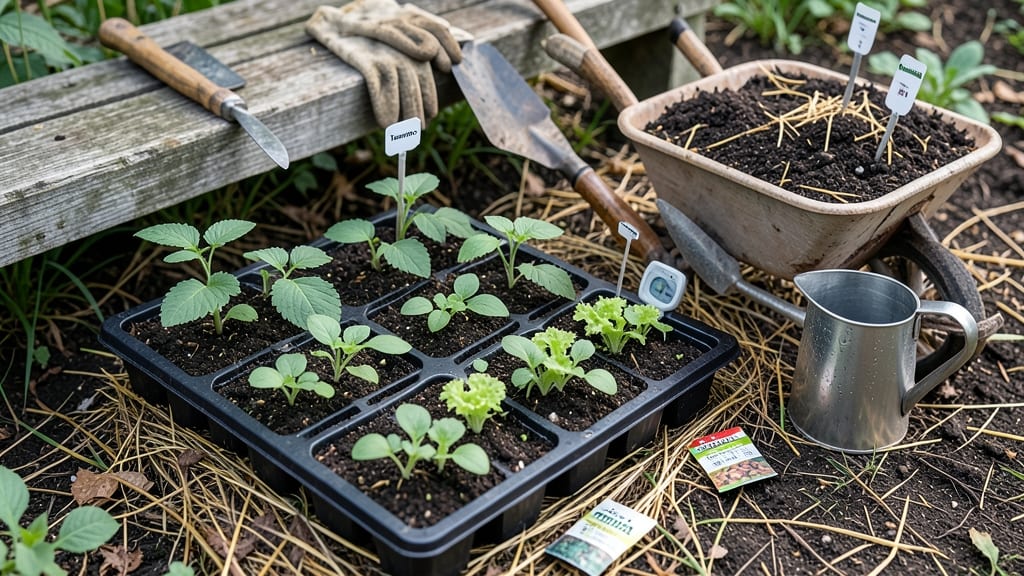
Planting a vegetable garden in Virginia at the right time means the difference between a bountiful harvest and a frost-killed disappointment — and the clock starts ticking as soon as the snow melts.
Virginia’s diverse climate—from the coastal plains to the Appalachian foothills—means your vegetable planting schedule must align with USDA zones to avoid frost damage and maximize yields. Get the exact dates for zero-frost-risk crops, broken down by region, so you can start planting with confidence.
Miss the window by even a few weeks, and you’re left with stunted plants or worse, nothing at all. But with the right timing, you’ll enjoy fresh tomatoes by July, crisp carrots in September, and maybe even a second harvest before winter sets in.
Here’s what you need to know: the perfect planting windows by month, how to read your local frost dates, and the best crops to grow in each Virginia zone—so you can finally stop guessing and start growing.
Virginia’s planting zones & last frost dates by region
Virginia’s USDA planting zones range from 6b to 8a, creating distinct microclimates that dictate when to plant your vegetable garden. Understanding these zones helps you avoid frost damage and align planting with optimal growing conditions.
The Tidewater region (eastern coastal) tends to warm earlier, while the Blue Ridge Mountains stay cooler longer.
Knowing your last spring frost and first fall frost dates is critical. In Virginia, these dates vary by 10-14 days between regions, meaning a Tidewater gardener might plant tomatoes weeks earlier than someone in the Piedmont. Let’s break down the key planting windows by zone and region.
🌱 Key Takeaway: Use these dates as guidelines—weather patterns shift yearly, so monitor forecasts and prepare for late frosts or early heatwaves. For example, zone 7a (common in Piedmont) typically sees its last frost around April 15, but zone 8a (Tidewater) can be frost-free by March 15.
If you’re in the Tidewater region, you can start planting warm-season crops like tomatoes and peppers as early as February under row covers. Meanwhile, Blue Ridge gardeners should wait until after May 1 to avoid late spring frosts that can kill young seedlings.
For cool-season crops like lettuce and spinach, plant in early spring (February–March) or late summer (August–September) to avoid bolting from heat. In zone 7b (common in Piedmont), you can even squeeze in a fall harvest of kale or broccoli by planting in mid-August.
Pro tip: Use hardy varieties for early plantings. For example, ‘Early Girl’ tomatoes tolerate cooler soils better than ‘Celebrity’. Similarly, ‘Winterbor’ kale handles light frosts better than most varieties, extending your harvest window.
Always check local weather forecasts in late winter, as Arctic blasts can push frost dates later. For instance, the 2021 polar vortex delayed last frosts by 2–3 weeks across Virginia. Keep a garden journal to track your region’s patterns over time.
Remember, soil temperature matters just as much as air temperature. Wait until soil reaches 60°F for warm-season crops and 50°
Best zero-frost-risk crops to plant by month in Virginia
Virginia’s long growing season and varied microclimates let you grow heat-loving crops and cool-season staples with minimal frost risk. By aligning your planting schedule with monthly temperature trends, you can enjoy continuous harvests from spring through fall.
The key is knowing when to plant warm-season crops after the last frost and cool-season crops before summer heat peaks.
For zero-frost-risk planting, focus on USDA zones 7a-8a (covering most of Virginia) where summer temperatures reliably stay above 50°F at night. This means starting tomatoes, peppers, and okra in May and spinach, kale, and carrots in late summer for fall harvests.
Let’s break down the best month-by-month crops for your Virginia garden.
- May: Plant tomatoes, peppers, and okra after last frost (mid-May in most regions). Start cucumbers and squash in warm soil.
- June: Succession plant beans and basil every 2 weeks. Transplant eggplants for late-summer harvests.
- July: Begin fall radishes and lettuce for early autumn harvests. Sow broccoli and cabbage for late-season growth.
- August: Plant spinach, kale, and carrots for frost-free fall harvests. Add turnips and beets to extend storage.
- September: Direct-sow cool-season crops like collards and mustard greens for winter harvests (if frost isn’t imminent).
In May, prioritize warm-season crops like tomatoes and peppers, which thrive in 70°F+ soil. Use black plastic mulch to warm the soil faster and prevent weeds. For okra, wait until June when nighttime temps stay above 60°F—this heat-loving crop bolts quickly in cooler conditions.
By July, shift focus to fall crops like lettuce and radishes, which tolerate mild summer heat better than spring plantings. These quick-maturing varieties (30-45 days) give you harvests before first frost in October.
For spinach and kale, direct-sow in late July for frost-free growth—they’ll sweeten with light frost, but avoid planting too early.
Don’t overlook August as a prime month for root vegetables. Carrots and beets planted now grow slowly in cooler soil and produce sweeter roots before winter. Pair them with turnips, which handle light frosts and store well.
For continuous harvests, stagger plantings every 10-14 days—this ensures a steady supply without overwhelming your kitchen.
In September, focus on hardy greens like collards and kale, which thrive in cooler temps and even taste better after light frost.
If your region has late frosts (like the Blue Ridge Mountains), opt for fast-maturing varieties (e.g., ‘Winterbor’ kale) to harvest before hard freezes. Always check your local frost dates—some areas of Virginia can have early October frosts!
For year-round success, combine succession planting with seasonal crop rotations. For example, replace bolting lettuce in July with shade-tolerant greens like Swiss chard to keep your beds productive.
And remember: mulch heavily in fall to protect cool-season crops from temperature swings—this simple step can extend harvests by 4-6 weeks.