
Planting
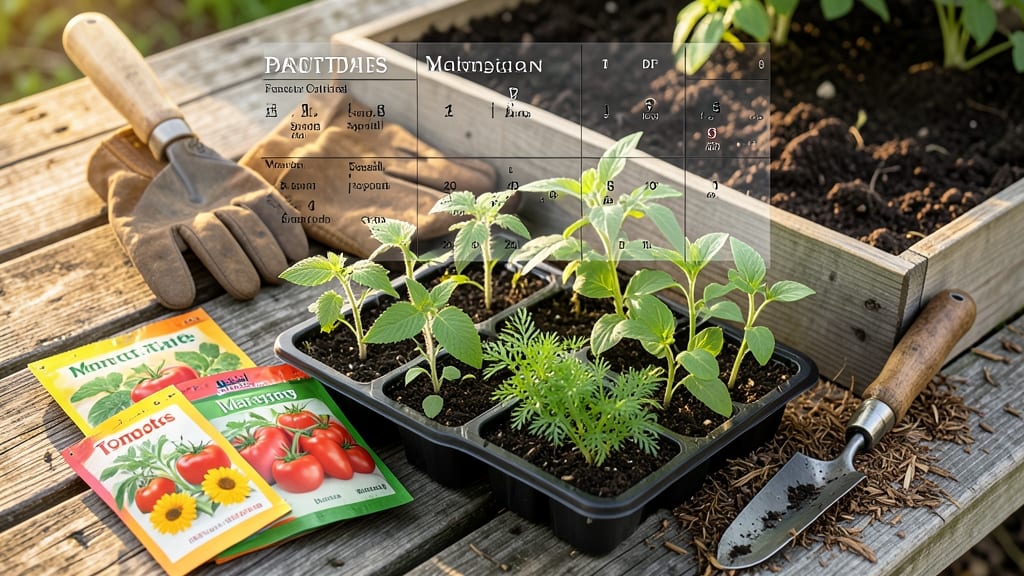
You should plant your Maryland garden between late March and early June for spring crops, then again in August for fall harvests—timing that avoids the state’s tricky frost dates and humidity swings.
Maryland’s unpredictable frost dates can turn your gardening dreams into a guessing game—unless you know the exact planting windows for each crop. Get your timing right, and you’ll enjoy a bountiful harvest; get it wrong, and you might end up with wilted seedlings or stunted vegetables.
With USDA Zones 6b-7a across most of the state, the last frost typically arrives in mid-April, but southern Maryland can see frost-free soil as early as late March. Meanwhile, northern regions may wait until early May.
Below, I break down the ideal planting schedule by crop type, frost-resistant varieties for Maryland’s climate, and how to extend your growing season with simple tricks like row covers and succession planting.
Maryland’s frost dates and planting zones: the critical timeline for success
Maryland’s USDA planting zones (6b-7a) create a unique gardening challenge—balancing early springs in southern regions with later frosts in the mountains. The average last frost date ranges from late March in Baltimore to early May in Frostburg, while the first frost arrives between late September and mid-October.
These variations mean your planting timeline must account for microclimates, soil temperature, and crop hardiness.
Understanding these frost-free windows is crucial because planting too early risks frost damage, while waiting too long can shorten your harvest season.
For example, cool-season crops like spinach thrive when planted 4-6 weeks before your last frost, while warm-season tomatoes need soil temperatures above 55°F (13°C)—typically 2-3 weeks after frost.
My go-to resource is the Maryland Frost Date Calculator from the University of Maryland Extension, which adjusts for your specific ZIP code.
| Region | Avg. Last Frost | Avg. First Frost | Plant Cool-Season Crops | Plant Warm-Season Crops |
|---|---|---|---|---|
| Southern MD (Baltimore, Annapolis) | Late March | Mid-October | March 15-April 15 | April 15-May 1 |
| Central MD (Frederick, Hagerstown) | Early April | Late September | April 1-April 30 | May 1-May 15 |
| Western MD (Cumberland, Frostburg) | Early May | Early October | April 15-May 15 | May 15-June 1 |
| Eastern Shore (Salisbury, Easton) | Late March | Mid-October | March 20-April 10 | April 10-April 25 |
Microclimates play a huge role in Maryland gardening. For instance, urban areas like Baltimore often experience heat islands that delay frost, while mountainous regions in Garrett County can have 2-3 weeks later frosts.
To adjust, I recommend planting heat-loving crops like peppers near south-facing walls or fences, which absorb heat during the day and radiate it at night. Conversely, shady spots are perfect for leafy greens that bolt in summer heat.
Soil temperature is another critical factor. Warm-season crops like tomatoes and cucumbers won’t germinate until soil reaches 60°F (16°C). I use a soil thermometer to monitor conditions—especially in sandy soils that warm faster than clay.
Pro tip: Cover bare soil with black plastic mulch 1-2 weeks before planting to speed up warming. For cool-season crops, focus on well-draining soil to prevent rot from spring rains.
Maryland’s humidity and pests also influence timing. Fungal diseases like early blight thrive in the damp spring air, so I avoid planting tomatoes and peppers until after May 15 in most regions.
Instead, I prioritize fast-maturing varieties like ‘Early Girl’ tomatoes (55 days to harvest) or ‘Sweet 100’ peppers (60 days). For fall gardens, succession planting every 2 weeks ensures continuous harvests before frost.
Don’t forget about fall planting windows, which can extend your harvest well into November. Crops like kale, spinach, and radishes tolerate light frosts and can be sown as late as September 1 in southern Maryland or August 15 in northern areas.
I’ve had success with ‘Winterbor’ kale, which stays crisp even after 20°F (-7°C) temperatures. For warm-season crops, consider container gardening—pots can be moved indoors or under row covers when nights turn chilly.
To track your local frost dates, bookmark the National Oceanic and Atmospheric Administration (NOAA) Frost/Freeze Maps or use the Old Farmer’s Almanac for historical trends. My personal rule is to wait until 3 consecutive days above 50°F (10°C) before planting warm-season seeds outdoors.
For seedlings, I harden them off for 7-10 days before transplanting after the last frost. This gradual transition reduces shock and improves survival rates.
Finally, embrace Maryland’s two growing seasons: spring (March-June) and fall (August-October). Summer’s heat and humidity can stress plants, so I focus on shade-tolerant crops like bush beans or Swiss chard during July-August. By planning around these frost-free windows and adjusting for microclimates, you’ll maximize your garden
Best crops to plant in Maryland by season: a month-by-month guide
Maryland’s humid subtropical climate and varied frost dates make timing everything for a successful garden. Whether you're a beginner or seasoned gardener, knowing exactly when to plant each crop ensures healthy growth and abundant harvests.
From cool-season greens in early spring to heat-loving tomatoes in summer, Maryland’s USDA Zones 6b-7a offer a diverse planting window.
One of the biggest mistakes gardeners make is planting too early or too late. Cool-season crops like spinach and peas can handle light frost, while warm-season crops like peppers and eggplants need consistent warmth.
Maryland’s last frost date typically falls between mid-April and early May, depending on your region, so plan accordingly. Let’s break down the best crops to plant each month to maximize your garden’s potential.
📅 Maryland Planting Calendar by Month
- March: Peas, spinach, onions, lettuce, kale (plant 4-6 weeks before last frost).
- April: Carrots, radishes, beets, broccoli, cabbage (cool-season crops). Start warm-season seedlings indoors (e.g., tomatoes, peppers).
- May: Transplant tomatoes, peppers, cucumbers, squash, beans (after last frost). Plant basil and marigolds for pest control.
- June: Succession plant lettuce, bush beans, zucchini. Start fall crops like spinach and radishes indoors.
- July: Plant heat-tolerant crops like okra, sweet potatoes, and Southern peas. Harvest early-season crops to make room.
- August: Direct-sow fall greens (kale, spinach, turnips). Plant garlic for next year’s harvest.
- September: Radishes, carrots, beets, Brussels sprouts (cool-season crops). Transplant broccoli and cabbage.
- October: Plant garlic, onions, and hardy greens (kale, spinach) before first frost.
Maryland’s humidity and rich soil are perfect for crops like tomatoes, cucumbers, and squash, which thrive in the warm summer months. However, poor drainage in some areas can lead to root rot, so always amend soil with compost and consider raised beds if needed.
For cool-season crops, focus on leafy greens and root vegetables that tolerate cooler temperatures and even light frost.
Don’t forget to succession plant for continuous harvests! For example, bush beans and lettuce can be sown every 2-3 weeks in spring and fall to keep your kitchen stocked. This method also prevents overcrowding and pests.
If you’re new to gardening, start with easy-to-grow crops like radishes (ready in 30 days!) or green beans before tackling more demanding plants like eggplants or artichokes.
Pro tip: Use row covers or cold frames to extend your growing season. These tools protect tender plants from late spring frosts or early fall chills, giving you extra weeks to grow crops like spinach or peas.
Just remember to remove covers during the day to prevent overheating. With the right timing and a little planning, you’ll enjoy a year-round harvest in Maryland’s diverse climate.