Planting
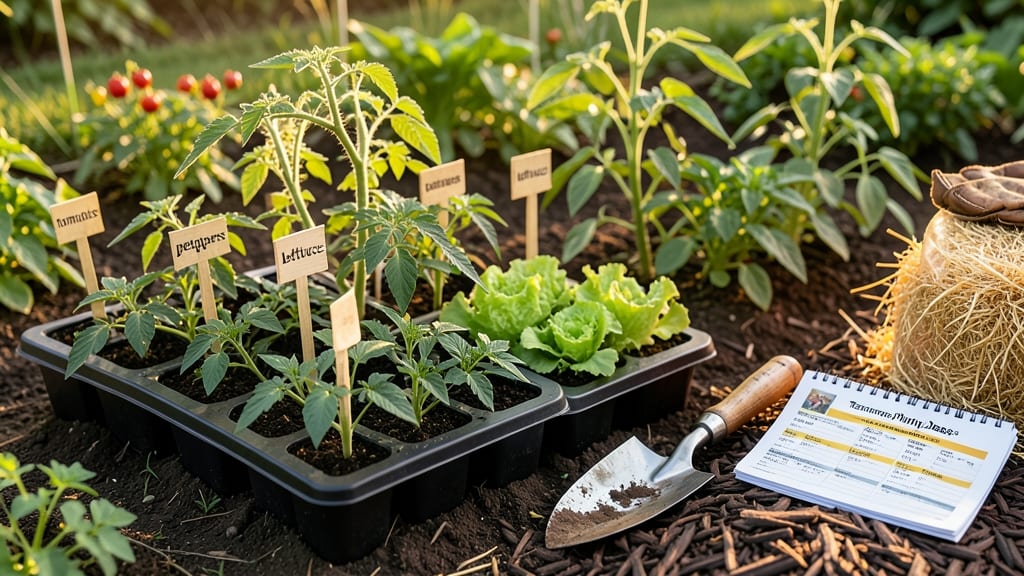
Planting your garden in Tennessee at the right time means the difference between a lush harvest and a sad, stunted mess—especially when soil temperatures and frost dates vary wildly across the state.
Tennessee’s diverse climate—from humid Appalachian valleys to hotter Mid-South regions—means planting your garden at the wrong time can spell disaster for your crops. But get the timing right, and you’ll enjoy a bountiful harvest with minimal pests and weather risks.
Cool-season crops like lettuce and broccoli thrive when soil hits 50°F, while tomatoes and peppers need 60°F+ to take off. In East Tennessee’s Zone 5a-6a, that means starting seeds indoors by mid-March, but in West Tennessee’s Zone 7a, you’ve got until mid-April before heat arrives.
Below, I’ll break down the exact soil temperature triggers, regional frost dates, and urban vs. rural adjustments so you can time your planting like a pro—no guesswork, just results.
Tennessee planting zones: when to start seeds vs. transplant vegetables by region
Tennessee spans USDA zones 5a through 7a, creating dramatic differences in planting schedules between East Tennessee’s cooler highlands and Middle/West Tennessee’s warmer valleys.
In Zone 5a (e.g., Bristol, Johnson City), last spring frosts can linger until April 15-30, while Zone 7a (e.g., Memphis, Nashville) typically sees frost-free soil by March 15-April 1.
These variations mean your tomato seeds might need 8 weeks indoors in Zone 5a but only 4-6 weeks in Zone 7a.
Soil temperature is the true planting trigger, not just calendar dates. Cool-season crops like lettuce and peas thrive when soil hits 50°F+, while warm-season crops such as peppers and squash demand 60°F+ for healthy root development.
My soil thermometer becomes my best friend in April—if it’s reading below 55°F, I’ll wait even if the calendar says "go."
Microclimates add another layer of complexity. Nashville’s urban heat islands can be 5-10°F warmer than rural areas just 20 miles away, while Chattanooga’s mountain valleys often experience late spring frosts even after lowland areas have warmed up. Always check your specific neighborhood’s frost history—local extension offices have this data!
Here’s how I break down my Tennessee planting strategy by zone and crop type, including when to start seeds indoors versus transplanting young plants:
| USDA Zone | Last Frost Date | Cool Crops (50°F+ Soil) | Warm Crops (60°F+ Soil) | Seed Start Indoors |
|---|---|---|---|---|
| 5a (East TN) | April 15-30 | Direct sow March 15-April 15 | Transplant May 15-June 1 | Start tomatoes/peppers 8-10 wks before last frost |
| 6a (Middle TN) | March 25-April 10 | Direct sow March 1-April 1 | Transplant April 15-May 15 | Start tomatoes/peppers 6-8 wks before last frost |
| 7a (West TN) | March 15-April 1 | Direct sow Feb 15-March 15 | Transplant March 20-April 15 | Start tomatoes/peppers 4-6 wks before last frost |
🌱 Note: Adjust dates 1-2 weeks earlier for urban heat islands (e.g., Nashville) or later for high-elevation areas (e.g., Great Smoky Mountains).
For cool-season vegetables like broccoli, cabbage, and spinach, I prioritize direct sowing as soon as soil reaches 50°F. In Zone 5a, that means late February to early March under row covers, while Zone 7a gardeners can start in January for an early harvest. Succession planting every 2 weeks ensures continuous harvests until late spring.
Warm-season crops demand more patience. Tomatoes, peppers, and eggplants should never go into cold soil—they’ll rot or develop blossom-end rot. I wait until soil hits 60°F+ (usually mid-May in Zone 5a and early April in Zone 7a) before transplanting.
For a head start, I begin indoor seed starting in February for Zone 7a and March for Zone 5a, using grow lights to prevent leggy seedlings.
One of my biggest lessons? Don’t rush warm crops just because your neighbor planted theirs earlier. In 2021, my Zone 6a garden in Franklin suffered when I transplanted tomatoes in early April—a late frost wiped out half my plants.
Now I wait until May 1st minimum for warm-season transplants, even if that means buying slightly more expensive 6-packs from the nursery.
Microclimates create opportunities too. My south-facing raised bed in Nashville warms up 2 weeks earlier than my north-facing in-ground plot. I use this to my advantage by planting heat-loving crops like okra and sweet potatoes 2 weeks earlier in the warm microclimate.
Similarly, Chattanooga’s mountain valleys often allow for fall planting of crops like kale and Brussels sprouts until September 15, while lowland areas must stop by August 15.
Pro
Soil temperature secrets: how to test and time planting for maximum growth
Timing your garden planting in Tennessee isn’t just about frost dates—it’s about soil temperature. Cool-season crops like peas and lettuce thrive when soil reaches 40°F to 50°F, while warm-season favorites such as tomatoes and peppers need 60°F+.
Without checking soil temps, you risk stunted roots or delayed growth, especially in Tennessee’s unpredictable spring weather.
I’ve learned the hard way that air temperature and soil temperature don’t always match. A sunny 70°F day can hide cold soil that’s still below ideal planting temps. That’s why I now use a soil thermometer—it’s the secret weapon for accurate planting timing and healthier plants from day one.
⚠️ callout-warning ⚠️
Tennessee’s spring can bring false warmth while soil remains too cold for roots to establish. If you plant warm-season crops like tomatoes in 50°F soil, their roots won’t absorb nutrients properly, leading to weak seedlings and delayed harvests. Always wait until soil reaches 60°F+ for warm crops.
Pro Tip: Test soil at 4 inches deep—that’s where most roots grow. Morning is best for readings since soil cools overnight.
To test your soil temperature, insert a soil thermometer into the ground where you plan to plant. Check readings in the morning (afternoon sun can skew temps).
For cool-season crops, aim for 40°F to 50°F—peas and spinach love this range. Warm-season plants like cucumbers and beans need 65°F+ to thrive.
If your soil is too cold for planting, try these tricks: Use black plastic mulch to warm soil faster, or plant in raised beds that heat up quicker.
In Tennessee’s Zone 5a (like East Tennessee), you might need to wait until mid-April for warm crops, while Zone 7a (West Tennessee) can start as early as late March.
Don’t let Tennessee’s unpredictable weather catch you off guard. I once planted tomato seedlings in 55°F soil—they survived but grew 3 weeks slower than expected. Since then, I’ve made soil temperature my planting guide, not just the calendar. A $10 thermometer can save you weeks of frustration.
For a quick reference, bookmark these soil temperature rules:
- Peas & Lettuce: 40°F+
- Broccoli & Cabbage: 45°F+
- Tomatoes & Peppers: 60°F+
- Cucumbers & Beans: 65°F+
Now you’re ready to time your planting like a pro—no more guesswork, just healthy, thriving plants! 🌱