
Shrubs
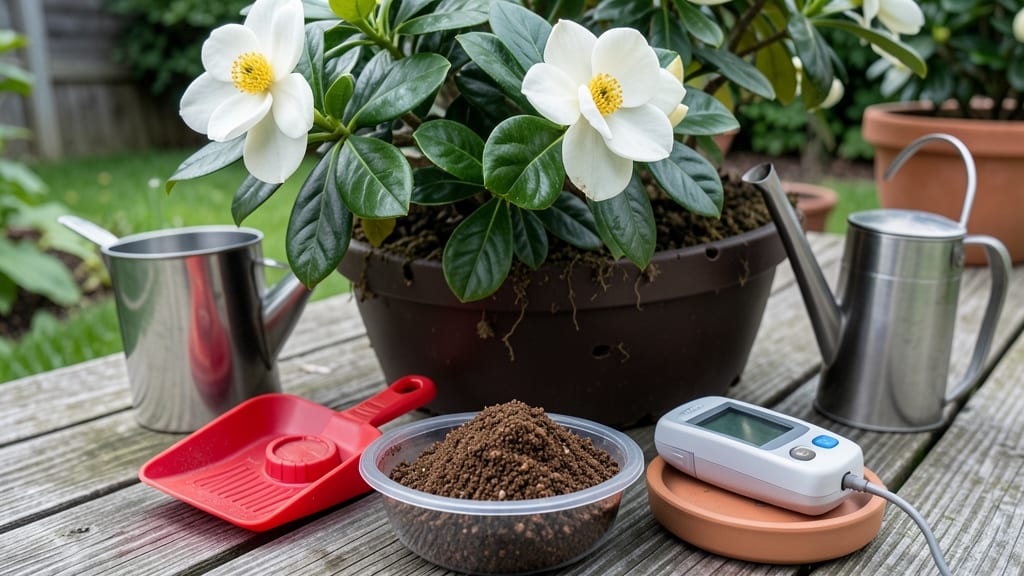
To fertilize gardenias at the right time means feeding them just as new growth starts in early spring and again after blooming ends in late summer—any other timing can backfire.
Picture this: your gardenias 🌸 are bursting with buds, only to wilt mid-season because you fertilized too late. Or worse, you missed the window entirely and now your shrubs look half-hearted. The key is matching your feeding schedule to the plant’s natural rhythm, not just throwing fertilizer at it.
Most gardeners in Zone 6a get it wrong by overdoing it in summer or skipping spring entirely. I’ll show you the exact month-by-month plan—when to feed, what to use, and how to spot the signs your gardenias are begging for (or begging off) nutrients.
By the end, you’ll know not just when to fertilize, but how to read your plant’s signals, choose the right fertilizer, and keep those fragrant blooms coming back bigger and brighter every year.
Optimal fertilizing timeline for gardenias: spring vs fall breakdown
Timing your gardenia fertilization is the difference between lush, fragrant blooms and stunted, sparse growth. These acid-loving shrubs need precise feeding schedules to thrive, with spring and fall being the critical windows.
Fertilizing at the wrong time—like during dormancy—can stress your plant and even reduce flowering. Let’s break down the exact month-by-month schedule that’ll keep your gardenias happy and blooming year after year.
Gardenias are heavy feeders but only when active. In spring, focus on root growth and bud formation by feeding lightly as new leaves emerge. In fall, the goal shifts to preparing roots for winter, which means skipping fertilization entirely.
Understanding these seasonal cues ensures your plant doesn’t waste energy on unnecessary growth during the wrong times.
Why these seasons matter: Spring fertilization jumpstarts growth after dormancy, while fall prep ensures roots store nutrients for winter. Gardenias in USDA Zone 6a (like mine in the Pacific Northwest) need extra care—cool nights and mild days mean a longer growing season, so we adjust our schedule slightly to avoid late-season stress.
| Season | Key Growth Stage | Fertilizer Type | Application Time | Frequency | Notes |
|---|---|---|---|---|---|
| Early Spring (March) | New growth begins | Acid-loving fertilizer (6-6-6) | After last frost | Light feeding | Use half-strength to avoid burn |
| Late Spring (April-May) | Bud formation | Slow-release granules | Every 4-6 weeks | Monthly | Best for consistent blooms |
| Summer (June-August) | Peak blooming | Balanced liquid feed | Early morning | Every 6 weeks | Reduce in extreme heat |
| Early Fall (September) | Root hardening | None | — | Skip | Avoid stressing roots |
| Late Fall/Winter (Oct-Feb) | Dormancy | None | — | Skip | Focus on mulching |
For organic gardeners, I recommend using composted pine needles or peat moss in spring to acidify the soil naturally. Synthetic options like Miracle-Gro Azalea, Camellia, and Rhododendron fertilizer work well too—just follow the label for acid-loving plants.
The key is consistency: feed lightly in spring, maintain through summer, and let the plant rest in fall.
If you’re in a warmer climate (Zone 8+), you can extend fertilization into early fall, but stop by mid-September to avoid encouraging late-season growth that won’t harden off before winter.
My gardenias in Zone 6a get their last feeding in early August—any later and the new growth risks damage from early frosts.
Pro tip: Test your soil pH before fertilizing. Gardenias thrive in acidic soil (pH 5.0-6.5). If your soil is too alkaline, amend it with sulfur or pine bark fines before applying fertilizer. I test mine every 2 years—it’s made a huge difference in bloom quality!
Over-fertilizing is a common mistake. Yellow leaves or leaf drop often mean you’ve overdone it. If this happens, flush the soil with water and hold off on feeding for 2-3 months. Gardenias are sensitive to salt buildup from synthetic fertilizers, so always water thoroughly after applying.
For container gardenias, use a slow-release fertilizer like Osmocote and follow the same seasonal rules. Potted plants dry out faster, so I water mine daily in summer and reduce to every other day in fall.
The goal is to keep soil consistently moist but never soggy—this goes for both in-ground and container plants.
Signs your gardenias need fertilizer (and when to avoid it)
Your gardenias might be whispering for help—literally. Yellowing leaves, sparse blooms, or slow growth are classic signs your acid-loving shrubs need nutrients. But timing matters: feeding at the wrong season can backfire. Let’s decode your gardenia’s signals and when to hold off on the fertilizer.
First, check the season. Gardenias thrive with spring feeding (after last frost) to fuel new growth, but avoid fertilizing in fall or winter—this can encourage tender shoots that won’t survive frost. Even over-fertilizing in summer stresses plants by promoting leafy growth over blooms.
⚠️ CALLOUT WARNING: When to Fertilize Gardenias (And When to STOP)
- Spring: After last frost (April/May) when new leaves appear
- Summer: Every 6-8 weeks (reduce in extreme heat)
- Fall/Winter: NEVER—plants rest and need no feeding
- Brown leaf tips (salt burn from excess fertilizer)
- Wilting despite moist soil (root stress)
- Fewer blooms (nutrient imbalance)
Look for weak stems or small leaves, which scream for nitrogen. But if your gardenia’s leaves turn purple or yellow with brown edges, it’s likely phosphorus or potassium deficiency. A balanced 6-6-6 or 8-3-9 fertilizer (acid-loving blend) works best—just follow the label!
Common mistakes? Gardeners often feed too late in summer (cut off by September) or use high-nitrogen lawn fertilizers, which burn roots. Always water deeply after fertilizing to help nutrients reach roots. And skip fertilizing if your gardenia’s leaves drop suddenly—this could signal transplant shock, not hunger.
For potted gardenias, flush soil with water monthly to prevent salt buildup. And remember: organic options like coffee grounds (for acidity) or composted pine needles work wonders—just mix lightly into the topsoil. Your gardenia’s fragrant blooms will thank you!
🌸 Quick Checklist: ☑️ New growth in spring? Feed lightly. ☑️ Yellow leaves + no blooms? Try a balanced fertilizer. ☑️ Brown leaf tips? Flush soil and reduce feeding. ☑️ Fall/winter? Stop fertilizing—rest period begins. ☑️ Soil pH >6.5? Add sulfur before fertilizing.