Picking
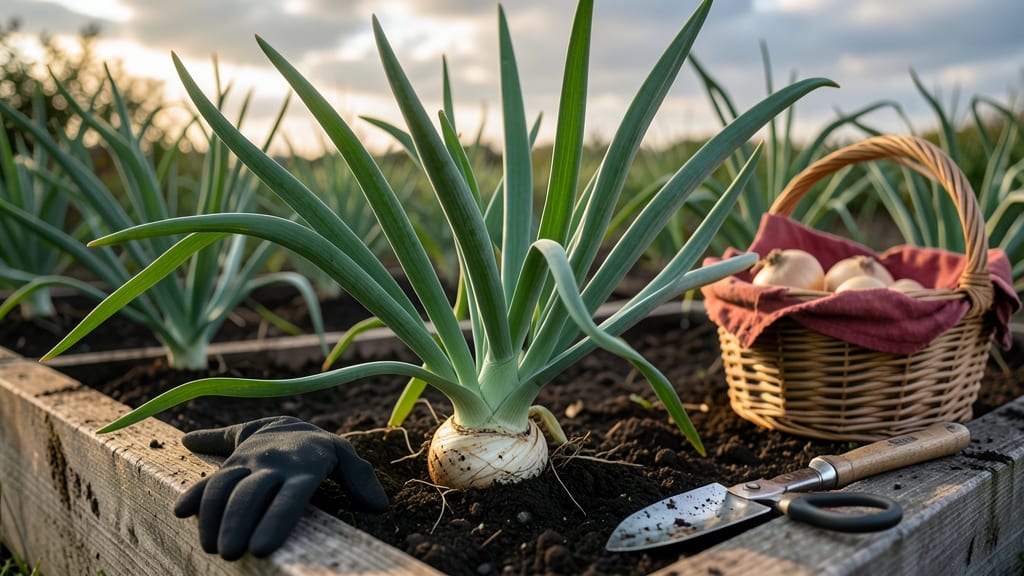
Harvesting onions from the garden at the right time ensures sweet, flavorful bulbs that store well—here’s how to know when they’re ready.
Picture this: you’ve nurtured your 🧅 onions all season, and now the tops are turning yellow and flopping over. That’s your cue—they’re not just ready, they’re begging to be pulled. But wait too long, and those mild, tender bulbs turn bitter and tough.
Most gardeners in Zone 6a should harvest between late July and early August, but the real secret lies in three simple visual checks: the color of the tops, the firmness of the bulb, and the dryness of the neck.
Miss these signs, and you might end up with onions that split or spoil before storage.
In this guide, I’ll walk you through the top three cues to spot perfectly timed onions, regional timing tweaks, and how to cure them for long-term storage—so you never waste another harvest again.
3 Visual signs your onions are ready for harvest (with photos)
Harvesting onions at the right time ensures sweet, flavorful bulbs that store well all winter. The key is watching for three visual maturity signals that show your onions are ready to pull.
Miss these signs, and you risk tough, pungent onions that won’t keep well. Let’s break down what to look for in your garden beds.
First, pay attention to the leaf color—this is your earliest warning system. Healthy green tops gradually shift to a golden-yellow hue as the bulb matures. When about half the leaves turn yellow and begin to flop over, your onions are nearing harvest readiness.
This color change indicates the plant is redirecting energy from leaf growth to bulb development.
Next, examine the bulb size and firmness by gently squeezing the soil-covered base. Mature onions feel round and firm like a small baseball, with a diameter of about 2-3 inches.
If you can’t feel a well-defined bulb or the onion feels soft, it needs more time in the ground. Overly large bulbs often develop hollow centers and bitter flavors.
The third critical sign is the neck drying—the stem where the leaves meet the bulb. When this area turns dry and papery and the leaves above it wither completely, your onions are at peak harvest time.
This drying process prevents rot during storage and signals the bulb has reached full maturity.
| Sign | Description | What to Do |
|---|---|---|
| Leaf Color | 50%+ leaves turn golden-yellow | Check bulb firmness next |
| Bulb Size | 2-3" diameter, firm to touch | Gently loosen soil around base |
| Neck Drying | Leaves crispy, stem turns papery | Harvest immediately for best storage |
For green onions (scallions), harvest when the stalks reach about 10-12 inches tall but before they flower. Simply snip the green tops, leaving the bulb in the ground to regrow.
This method gives you continuous harvests all season. Storage onions, however, should only be harvested when all three signs above are present for optimal flavor and longevity.
Timing matters most in cooler climates where onions mature faster. In USDA zones 3-5, aim to harvest by early August before hot weather causes bolting. Warmer zones (6-10) can wait until September. Always harvest on a dry, sunny day to prevent soil from clinging to bulbs during curing.
One common mistake is waiting until the tops are completely brown and crispy. While this might seem ideal, over-mature onions often have hollow centers and poor storage life. The perfect harvest window is when the tops are mostly yellow with some browning—this balance ensures sweetness and storage potential.
After harvest, let onions cure in the sun for 3-5 days to toughen the skins before storing. This drying process prevents rot and extends shelf life to 6-8 months in a cool, dark place.
Proper curing starts with knowing exactly when to harvest—those three visual signs are your golden ticket to garden success.
Now that you know what to look for, grab your gardening gloves and check your onion patch today. The sooner you spot these signs, the sooner you’ll be enjoying homegrown onions that taste better than store-bought—and last all winter long! 🧅
Harvest timing mistakes that ruin onion flavor (and how to avoid them)
Harvesting onions at the wrong time can turn your homegrown bounty into tough, pungent, or even sprouting disappointments. I’ve learned the hard way that green onions and storage onions have completely different harvest windows—and ignoring those differences means flavor failure.
The most common mistake? Waiting until the tops are completely brown and crispy, which actually signals it’s too late for storage varieties.
Another critical error is pulling onions too early, especially if you’re growing them for fresh use. Green onions and scallions should be harvested when they reach 6-12 inches tall, but storage onions need full maturity to develop their signature sweetness.
Even a 2-week delay can mean the difference between a mild bulb and a bitter one, so timing is everything.
⚠️ Don’t Wait Until It’s Too Late!
Storage onions should be harvested when 50-60% of the tops have turned yellow and flopped over—but not when they’re fully brown and crispy. Overripe onions develop hollow centers and bitter flavors. For green onions, the rule is different: harvest when the bulb is 1-2 inches wide and the tops are still green.
Regional climate plays a huge role in harvest timing. In cooler zones (USDA 3-5), onions mature slower, so I often harvest storage varieties in late July or early August.
But in warmer climates (USDA 7-10), the heat can trigger premature bolting, so I aim for June harvests before the summer peak. Always check your frost dates—storage onions won’t survive freezing, so plan accordingly.
One of my biggest lessons? Don’t harvest after a heavy rain. Wet soil makes bulbs more prone to rot, and the extra moisture can dilute flavor. Instead, wait for dry, sunny days to pull onions.
I also avoid harvesting in the heat of the day—early morning is ideal because the bulbs are firmer and less likely to bruise.
For green onions, frequent harvesting actually encourages more growth. I snip the outer stalks 2-3 inches above the soil and let the inner ones regrow. But with storage onions, you only get one shot—harvest too early, and you’ll have small, pungent bulbs.
Too late, and you’ll end up with sprouting onions that won’t store well.
Pro tip: If you’re unsure whether your onions are ready, dig up one bulb and check the neck. It should be dry and papery, not green or moist.
This is your final cue that the bulb is mature and flavor is at its peak. Ignore this, and you might as well be growing onion-shaped disappointment.