
Picking
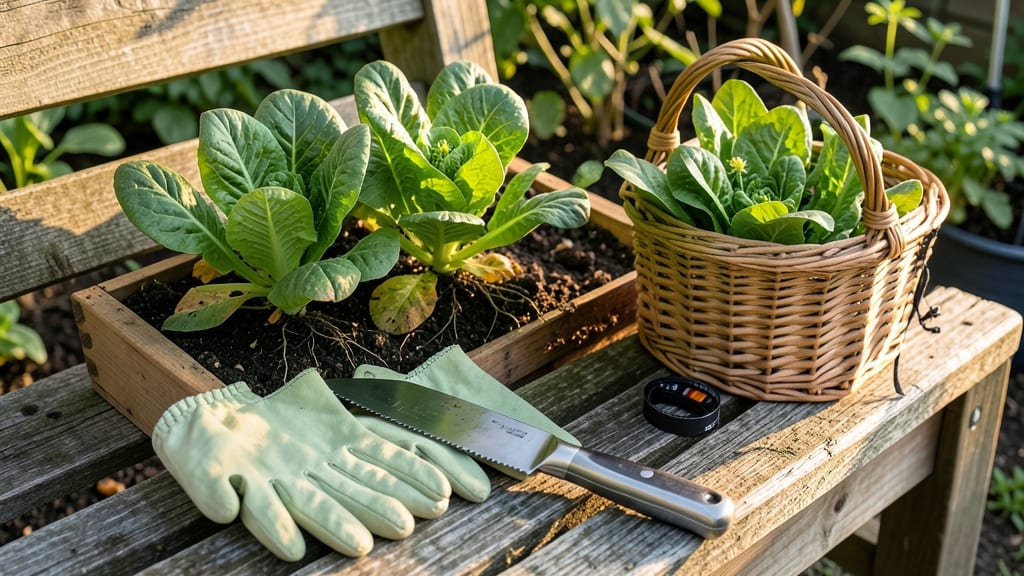
Picking lettuce from your garden at the right time ensures crisp, flavorful leaves instead of bitter or bolted greens—so timing is everything.
Picture this: you’ve nurtured your 🥬 all season, only to pull a wilted, tough head or watch it bolt into seed before you can enjoy it. That’s why knowing the exact moment to harvest makes all the difference.
Lettuce is ready when outer leaves reach 4-6 inches and feel firm to the touch, with a tight head or full size. But weather plays a role too—spring and fall crops thrive in cooler temps, while summer heat can trigger bolting.
Below, I’ll break down how to check for readiness, adjust for seasonal shifts, and avoid common mistakes that turn good lettuce into disappointment. Let’s get those leaves at peak perfection!
How to check lettuce ripeness: firmness, size, and color signals
Harvesting lettuce at the right moment transforms your garden's bounty into crisp, flavorful meals. The key lies in three simple but critical signals: leaf firmness, head size, and color intensity. Ignore these cues, and you risk bitter, tough, or bolted lettuce that ruins salads and sandwiches.
For leaf lettuce varieties like romaine or butterhead, timing depends on leaf size and texture. Meanwhile, head lettuce like iceberg or crisphead needs a compact, tightly packed structure. Both types share similar readiness indicators—once you know what to look for, harvesting becomes second nature.
Start by checking the outer leaves for size. Ideal outer leaves should measure 4-6 inches long. This indicates the plant has reached its prime eating stage. Smaller leaves mean the lettuce needs more time, while larger leaves may signal over-maturity or impending bolting.
| Ripeness Signal | Visual/Tactile Cues | Action Required |
|---|---|---|
| Leaf Firmness | Leaves spring back when gently pressed; no soft spots | Harvest immediately for peak texture |
| Outer Leaf Size | 4-6 inches long (varies by variety) | Cut outer leaves first for continuous harvest |
| Head Formation | Tight, compact for head lettuce; loose for leaf types | Harvest whole head or individual leaves |
| Leaf Color | Deep green (not yellowing or browning) | Avoid if leaves show stress colors |
| Taste Test | Sweet, mild flavor (no bitterness) | Harvest when flavor peaks; bitterness means wait |
Never underestimate the power of a simple taste test. Snip a small leaf and sample it raw. The perfect lettuce should be sweet, crisp, and free of bitterness.
If it tastes bitter, your lettuce has waited too long—either harvest immediately or watch for bolting (flowering) in hot weather.
For head lettuce varieties, look for a tightly packed core. When you gently squeeze the head, it should feel firm and dense. Loose or floppy heads indicate over-maturity. Meanwhile, leaf lettuce can be harvested by cutting individual outer leaves, allowing the inner leaves to continue growing.
Color changes are your final warning system. Healthy lettuce maintains a vibrant green hue. Yellowing leaves signal nutrient deficiencies or stress, while brown edges appear when plants experience drought or heat stress. Harvest before these color shifts become pronounced to preserve quality.
Pro tip: Use a pair of clean scissors or a sharp knife to harvest. Cut leaves at the base, leaving about 1/4 inch of stem. This encourages regrowth, giving you a second harvest in 1-2 weeks for leaf varieties.
For head lettuce, twist or cut the entire head at the base for a single harvest.
Timing matters most during hot summer months. Lettuce bolts (sends up a flower stalk) when stressed by heat. If your plants start developing tall stems, harvest immediately—even if the leaves aren't fully sized.
Bolted lettuce becomes tough and bitter, but the leaves near the base may still be usable in cooked dishes.
Store harvested lettuce properly to extend its life. Wrap it loosely in a damp paper towel and place it in a perforated plastic bag in the refrigerator. This mimics the humidity lettuce loves while allowing airflow to prevent rot.
With proper timing and storage, your garden lettuce will stay fresh for 1-2 weeks—long enough to enjoy homegrown salads all season.
Weather and seasonal triggers that affect lettuce harvest timing
Lettuce thrives under specific weather conditions and seasonal cues that directly impact harvest timing. In my garden, I’ve learned that temperature swings and day length can either speed up or stall maturity—sometimes by weeks.
For example, spring lettuce matures faster in cool 60-70°F temperatures, while summer heat forces bolting, ruining flavor. Understanding these triggers helps me adjust my harvest schedule to avoid bitter, overgrown leaves.
Seasonal shifts also play a critical role. Spring-planted lettuce typically reaches harvest in 45-60 days when days lengthen, while fall crops mature more slowly as temperatures drop.
I’ve found that late summer heat (above 80°F) accelerates bolting, so I prioritize harvesting earlier or opt for heat-tolerant varieties like Romaine or Buttercrunch. These adjustments ensure I get crisp, flavorful lettuce instead of tough, bitter stalks.
⚠️ WARNING: Harvest Too Late or Too Early, and You Lose Flavor and Texture ⚠️
⚠️ Critical Timing Mistakes to Avoid
- Harvesting in extreme heat (above 85°F) causes bitterness and bolting—lettuce becomes inedible within days.
- Waiting for full head formation in hot weather leads to woody stems and lost flavor.
- Ignoring day length: Short days (<12 hours) in fall slow growth, delaying harvest by 10-14 days.
💡 Pro Tip: Use shade cloth in summer to extend harvest windows by 2-3 weeks.
In spring, I time harvests for May-June when temperatures stabilize. The key is monitoring leaf size (4-6 inches) and crispness—if outer leaves reach this stage, I harvest immediately, even if the head isn’t fully formed.
For fall crops, I aim for October-November harvests, pulling leaves before first frost (around October 31 in Zone 6a). This prevents freezing damage and ensures tender greens.
Day length also triggers bolting, a major enemy of lettuce growers. When daylight exceeds 14 hours (common in late spring), lettuce shifts from leaf production to flowering.
To combat this, I use successive planting: sowing new seeds every 2 weeks ensures a steady supply of harvest-ready lettuce before bolting takes over. This strategy works especially well in summer gardens, where heat and long days create ideal bolting conditions.
Another trick I rely on is seasonal variety selection. Leaf lettuce (like Butterhead) matures faster in spring (30-40 days), while head lettuce (like Iceberg) needs 70-80 days and thrives in cool fall temperatures.
By matching varieties to seasons, I avoid the bitter, tough lettuce that results from mismatched growing conditions. For example, planting Romaine in late summer gives me a 3-week harvest window before bolting sets in.
Finally, I’ve learned to adjust harvest schedules based on microclimates. A shady spot under a tree might delay maturity by 5-7 days compared to full sun, while a south-facing bed can push lettuce to bolt 2 weeks early.
Using a garden journal to track these variations helps me fine-tune planting and harvest times year after year. This attention to detail ensures I always have crisp, flavorful lettuce ready for salads—no matter the season.