Picking
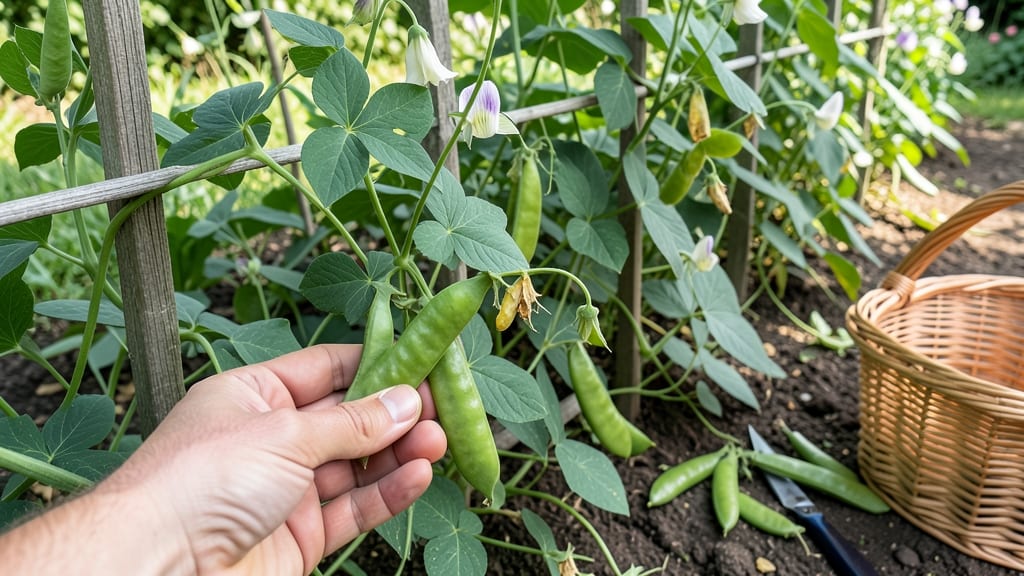
Picking peas from your garden at the right time ensures sweet, crisp pods instead of tough, bitter disappointment — and the secret lies in knowing exactly when to harvest.
If you’ve ever bitten into a pea that’s lost its snap or turned mealy, you know timing is everything. Shelling peas and snap peas each have their own cues, but missing the window by even a day can ruin your harvest.
In this guide, I’ll walk you through the visual and tactile tests to spot perfectly ripe peas, plus the best times of day to pick for maximum flavor. Whether you’re in Zone 6a or further, these tips will help you avoid common mistakes and keep your plants producing.
Ready to go from guesswork to consistent, delicious harvests? Let’s dive into the exact ripeness signals and picking schedule that’ll transform your garden peas.
How to test pea ripeness: shelling peas vs. snap peas (with visual cues)
Knowing when to pick peas from your garden is an art—and science! Peas are notoriously finicky about timing. Harvest too early, and you’ll get underdeveloped pods. Harvest too late, and they’ll turn tough, bitter, or even shrivel on the vine.
The key lies in understanding the subtle differences between shelling peas (like Sugar Snap or Wando) and snap peas (like Sugar Ann or Oregon Sugar Pod). Both require precision, but their ideal ripeness cues differ slightly.
For both types, the pod size is your first clue. However, shelling peas need slightly more time to develop their sweetness, while snap peas demand a quicker harvest window. The color shift from pale green to vibrant green is another critical signal.
But don’t rely solely on color—texture and seed development are equally important. A firm, crisp pod with small, round seeds inside is your golden ticket to a perfect harvest.
Why does this matter? Overripe peas lose their sweetness and develop a tough, fibrous texture. Underripe peas, on the other hand, are often bland and underdeveloped. The goal? Pick them at the peak of tenderness—when they’re just right for eating fresh or preserving. Let’s break down the exact visual cues for each type so you never miss the window again.
| Indicator | Shelling Peas (e.g., Sugar Snap, Wando) | Snap Peas (e.g., Sugar Ann, Oregon Sugar Pod) |
|---|---|---|
| Pod Size | 2-3 inches long, plump and rounded | 1.5-2.5 inches long, crisp and firm |
| Pod Color | Bright green, glossy finish | Vibrant green, slightly darker than shelling peas |
| Texture | Firm but slightly yielding when squeezed | Crisp and snappy—breaks with a slight bend |
| Seed Development | Small, round seeds visible through pod | Tiny seeds, barely visible (harvest before they enlarge) |
| Harvest Window | 60-75 days after planting | 55-65 days after planting |
| Overripe Signs | Pods turn yellowish, seeds fill entire pod | Pods toughen, lose crispness, seeds enlarge |
Let’s start with shelling peas, which are harvested for their edible seeds and pods. The pods should be 2-3 inches long and plump, with a smooth, glossy surface. When you gently squeeze them, they should feel firm but slightly yielding—like a well-ripened avocado.
Inside, the seeds should be small and round, just starting to develop but not yet filling the pod. If you see large, mature seeds, you’ve missed the boat! Shelling peas are best picked in the morning when temperatures are cooler, preserving their sweetness.
For snap peas, timing is even more critical. These peas are harvested when the entire pod is tender and crisp. Aim for pods that are 1.5-2.5 inches long and vibrant green. The defining feature? They should snap easily when bent—hence the name!
If they bend without snapping or feel fibrous, they’re overripe. Snap peas also benefit from morning harvests, as evening heat can cause them to toughen up quickly. Pro tip: Check your plants every 2-3 days to avoid missing the narrow window of perfection.
One common mistake I see in gardens is waiting too long to harvest because the pods look "big enough." But size alone isn’t enough—texture is the real giveaway. Overripe peas, whether shelling or snap, will lose their sweetness and develop a woody or bitter taste.
To test ripeness, pick a few pods and do the "squeeze test": shelling peas should dent slightly under pressure, while snap peas should snap cleanly. If they don’t, hold off on harvesting that batch.
Another trick I swear by is the "seed visibility" test. Hold a pod up to the light and look inside. For shelling peas, you should see small, round seeds that are just starting to form.
For snap peas, the seeds should be nearly invisible—this means you’ve caught them at the perfect moment. If seeds are clearly visible and filling the pod, it’s time to harvest immediately or risk tough, stringy peas. Remember, the earlier you pick snap peas, the sweeter and crisper they’ll be.
Climate plays a role too. In cooler regions, peas mature more slowly, giving you a slightly longer harvest window. But in warmer climates, they bolt (flower and set seed) faster, so you’ll need to harvest more frequently.
Pay attention to your local frost dates—spring peas should be harvested before the first frost, while fall-planted peas can extend your season into early autumn. If you’re in a short-season area, prioritize quick-maturing varieties like 'Sugar Sprint' or 'Little Marvel' to maximize your harvest.
Finally, don’t forget that consistent harvesting encourages more production. Peas are prolific producers, but they’ll stop flowering if pods aren’t picked regularly. Aim to harvest every 2-3
The best time of day and frequency to pick peas for maximum yield
Timing is everything when harvesting peas—especially if you want a steady supply of sweet, tender pods. I’ve learned that picking at the wrong time of day can leave your plants stressed, while harvesting too infrequently slows down production. The key is consistency and knowing when to act.
Morning harvests are my top recommendation because peas are coolest and most hydrated after the night’s dew has settled. This means firm, crisp pods with the best flavor. If you must pick later, avoid the hottest afternoon hours when pods can wilt faster and lose sweetness.
🌱 Numbered Highlights: When to Pick Peas for Peak Yield
- 🌅 Morning (6-9 AM): Best time for crisp, sweet pods with full moisture.
- 🕛 Every 2-3 days: Ideal frequency to stimulate new growth and prevent overcrowding.
- 🌿 Check plants daily during peak harvest (May-June) to catch pods at perfect ripeness.
- ⏳ Harvest within 70 days of planting for optimal flavor and texture.
- 🌧️ Avoid picking after rain—pods absorb excess moisture, becoming waterlogged and tough.
Frequency matters just as much as timing. I pick peas every 2-3 days during their peak production window (usually May-June for spring peas). This might seem like a lot, but it’s what keeps your plants producing.
When you skip harvests, peas redirect energy to seed development, leaving you with woody, overripe pods that are nearly inedible.
Pro tip: Use a trellis system to make harvesting easier and faster. Peas on trellises are more accessible, and you’ll spot ripe pods sooner. Plus, good air circulation helps prevent fungal diseases that thrive in damp, crowded vines.
For fall-planted peas, adjust your schedule slightly. Cooler September temperatures mean pods ripen faster, so I check plants every 1-2 days during this window. The goal is always the same: harvest before seeds bulge—that’s when pods start to toughen up.
Don’t let your pea harvest become a one-time event. Consistent picking trains your plants to produce more, giving you a longer season of fresh pods. With the right timing, you could extend your harvest by 2-3 weeks compared to picking just once or twice.