
Picking
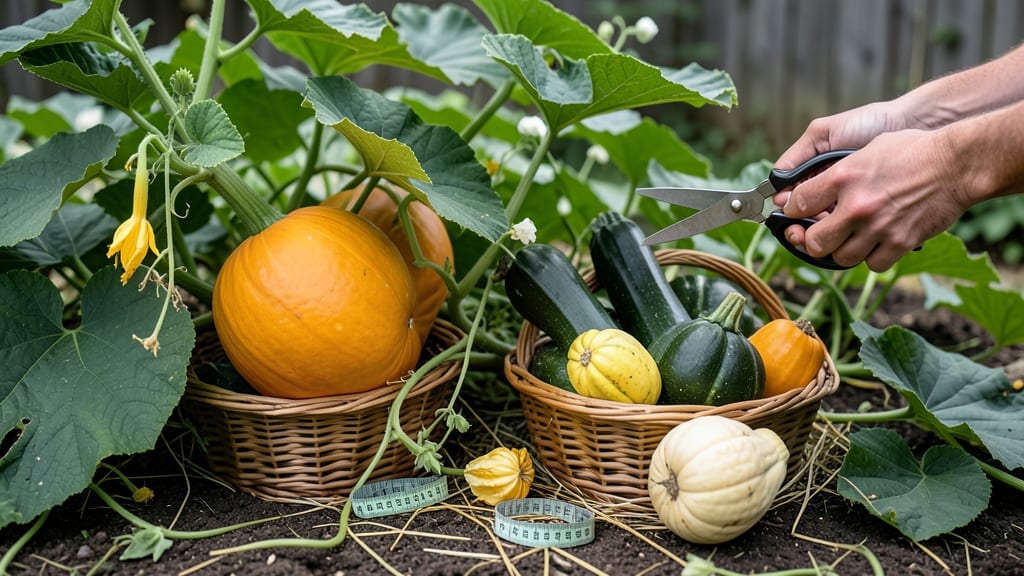
Picking squash from your garden at the right time turns a simple harvest into a crisp, flavorful victory—here’s how to know when it’s perfect.
Picture this: you’ve been waiting weeks for your 🎃 squash to mature, but you’re not sure if it’s ready. One wrong move, and you could end up with tough, seedy squash instead of the tender, sweet harvest you crave.
The good news? There are three simple tests to nail the timing every time.
Summer squash like zucchini should be picked when they’re still small—around 3-6 inches—while winter varieties like butternut need to fully harden and develop vibrant color. Miss these cues, and you risk overripe squash that’s past its prime or underripe fruit that lacks flavor.
Below, I’ll walk you through the tactile tests that guarantee a perfect harvest, from checking skin hardness to twisting the stem. By the end, you’ll know exactly when to pick—so your garden squash shines in every dish.
3 Tactile tests to determine when squash is perfectly ripe
Harvesting squash at the right moment transforms your garden bounty from bland to bursting with flavor. The key lies in your hands—literally! Unlike relying on days-to-maturity charts, these three tactile tests give you instant feedback on whether your squash is ready to pick.
Whether you're growing zucchini or butternut, these methods work for both summer and winter squash varieties.
I’ve learned the hard way that waiting too long turns sweet squash into tough, seedy disappointments. But harvesting too early? You’ll miss out on that perfect balance of crisp texture and rich flavor.
The good news? These tests take seconds and require no special tools—just your fingers, eyes, and a little squash know-how.
👆 3 Tactile Tests for Perfectly Ripe Squash
- 👉 Test 1: The Fingernail Puncture
Press your fingernail into the skin. If it doesn’t puncture easily, it’s ready! For summer squash, aim for slight give; winter squash should feel rock-hard. - 👉 Test 2: The Stem Twist
Gently twist the stem near the squash. If it snaps cleanly with minimal force, harvest now! A stubborn stem means wait 1-2 days. - 👉 Test 3: The Color Check
Run your fingers over the skin surface. Fully ripe squash has consistent color with no green patches (summer types) or deep, even hues (winter types).
✅ Pro Tip: Combine all three tests for foolproof results!
For summer squash like zucchini, you’ll want to harvest when they’re still 3-6 inches long. That’s when their skin is tender but firm, and their seeds are tiny. If you let them grow larger, they’ll develop bitter flavors and oversized seeds.
I’ve found that checking every 2-3 days in peak growing season keeps my zucchini harvest flowing.
Winter squash, on the other hand, needs time to develop a hard rind and mature seeds. Varieties like butternut or acorn should feel heavy for their size, which is a sign of full ripeness.
The skin should also resist puncture completely—even with your thumbnail. I’ve had the best luck letting winter squash cure on the vine until the first frost threatens.
Don’t overlook the stem’s role in these tests. A clean break at the stem is your cue that the squash has fully detached from its nutrients. If the stem pulls away but leaves a green ring, it’s not quite ready.
This is especially important for winter squash, where a proper stem separation ensures longer storage life.
One mistake I’ve made? Relying solely on size. A 6-inch zucchini might look perfect, but if its skin still yields to pressure, it’s not ready. Always combine size with tactile tests for the best results.
For example, a butternut squash might reach 8 inches but still need 2 more weeks on the vine if its rind isn’t hard enough.
Seasonal timing also matters. In my Zone 6a garden, summer squash peaks in July and August, while winter squash ripens in September and October.
Early frosts can rush winter squash’s ripening, so prioritize harvesting when you see the first signs of color change or skin hardening, even if they’re not fully mature.
After mastering these tests, you’ll never second-guess your harvest timing again. The difference between a crisp, sweet squash and one that’s past its prime is just a few days—and these tactile checks put you in control.
Grab your squash, give it a feel, and enjoy the reward of perfectly timed harvests all season long!
Summer vs. winter squash: size and seed maturity guidelines
If you’ve ever wondered when to pick squash from your garden, the answer depends entirely on whether you’re growing summer squash (like zucchini) or winter squash (like butternut or acorn). These two types have completely different maturity timelines—one thrives when small, while the other needs full development.
Let’s break down the key differences so you never harvest too early or too late.
The biggest clue? Seed development. Summer squash should be picked before seeds form—when they’re still tender and 3-6 inches long. Winter squash, on the other hand, needs fully developed seeds and a hard, thick rind before harvesting.
Missing these cues can turn your harvest into a tough, seedy mess instead of the sweet, crisp squash you’re after.
| Type | Size at Harvest | Seed Development | Skin Texture | Stem Test | Best Harvest Window |
|---|---|---|---|---|---|
| Summer Squash (Zucchini, Yellow Squash) | 3-6 inches | Soft, underdeveloped | Slightly firm, thin skin | Twists easily | June-August |
| Winter Squash (Butternut, Acorn, Pumpkin) | 8-12+ inches | Fully developed, hard | Thick, hard rind | Twists off cleanly | September-October |
For summer squash, focus on size and tenderness. If your zucchini reaches 6 inches and still feels soft when gently squeezed, it’s time to pick.
Waiting too long means seedy, stringy flesh. I like to harvest mine every 2-3 days to keep the plant producing—overripe squash can actually stunt new growth.
Winter squash takes patience. You’ll know it’s ready when the rind is too hard to puncture with your fingernail and the stem detaches easily with a slight twist. This usually happens after 80-100 days from planting, depending on the variety.
A good rule of thumb? If you can’t dent the skin with your thumb, it’s harvest time.
Don’t overlook color changes either. Winter squash should have vibrant, consistent color—no green streaks or pale spots. For example, butternut squash should be a deep orange, while acorn squash turns a rich, uniform tan. Summer squash, meanwhile, should be fully colored but still bright and even.
Pro tip: Store winter squash in a cool, dry place for up to 3 months. Summer squash, however, is best used within 3-5 days of harvest—its delicate texture spoils quickly. Keep these guidelines in mind, and you’ll always know exactly when to pick squash for peak flavor and texture.