
Planting
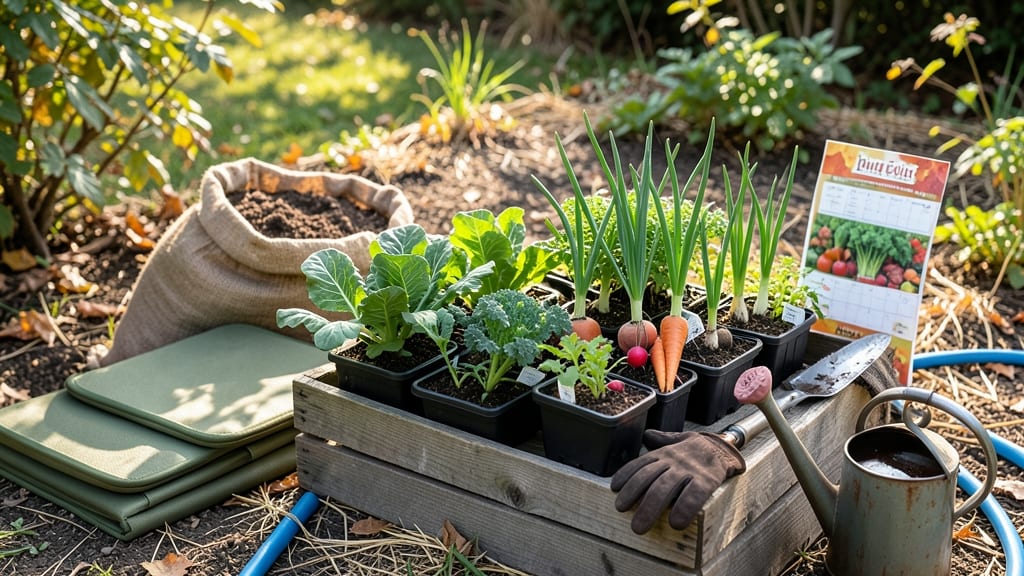
Planting a fall garden in Houston, Texas, starts between mid-August and early October—just as summer heat begins to ease, but before the first frost arrives in December.
Houston’s scorching summers make fall gardening a game-changer—but planting at the wrong time can leave your 🥬 wilting before harvest. Timing is everything, and this guide reveals the exact windows for heat-tolerant fall vegetables across Houston’s microclimates, from urban heat islands to suburban escapes.
Why does this matter? Houston’s humid subtropical climate means crops like okra, sweet potatoes, and Malabar spinach thrive when planted early, while cooler-season veggies need to wait. Miss the window, and you’ll face stunted growth or early frost damage.
Below, I break down the ideal planting dates by zone, the best crops for Houston’s fall, and how to extend harvests until December—so you can enjoy fresh produce long after most gardens have called it quits.
Houston’s fall planting calendar: exact dates by microclimate zone
Houston’s humid subtropical climate creates three distinct microclimates—urban core, suburbs, and rural areas—each with unique planting windows. The urban core stays 5-10°F warmer than rural zones due to concrete and asphalt, while suburbs offer a moderate transition.
Understanding these zones helps you plant heat-tolerant crops like okra and sweet potatoes at the perfect time for a bountiful fall harvest.
Fall gardening in Houston starts when daytime highs dip below 90°F, typically in mid-August. However, rural areas can handle earlier plantings (late July) thanks to cooler soils, while urban gardens benefit from delayed starts (early September) to avoid heat stress.
The key is aligning your planting with local frost dates, which average December 1 but can vary by zone.
Urban core gardens face the biggest challenge: heat islands keep soils warm longer, making late August to early September the sweet spot for heat-loving crops. Suburban areas can start 2-3 weeks earlier (mid-August), while rural zones may even squeeze in early July plantings for fast-maturing varieties like black-eyed peas or cowpeas. Always check your last frost date—Houston’s is January 15, but fall crops should be planted 6-8 weeks before the first frost.
For okra and sweet potatoes, which thrive in Houston’s heat, aim for late August plantings in urban areas or mid-August in suburbs.
These crops need warm soil (70°F+) to germinate, so avoid rushing—patience pays off with bigger yields. Malabar spinach, another heat lover, can handle up to 95°F and is perfect for urban gardens where space is limited but heat is relentless.
If you’re in a rural zone, take advantage of cooler soils by planting early July for fast growers like black-eyed peas (ready in 50–60 days). These peas tolerate heat and even light frosts, making them ideal for extending your harvest.
For suburban gardens, focus on succession planting: sow cowpeas every 2 weeks from mid-August to early October to ensure a steady supply.
Don’t forget to prep your soil 2–3 weeks before planting. Houston’s clay-heavy soil benefits from compost or aged manure to improve drainage and fertility. Test your soil pH—most fall crops prefer 6.0–6.8—and adjust with lime (to raise pH) or sulfur (to lower pH) if needed.
Top 7 heat-tolerant fall crops for Houston gardens (and how to extend their season)
Houston’s long, hot summers can make fall gardening seem risky—but with the right heat-tolerant crops, you can harvest well into October. These 7 resilient plants thrive in Houston’s 90°F+ soil and extend your growing season with minimal fuss.
From black-eyed peas to jute mallow, these crops defy the heat while delivering flavor and nutrition.
Key to success? Succession planting, mulching, and row covers to shield tender seedlings. I’ve tested these methods in my own Houston garden, and they’ve pushed harvests 2-3 weeks later than average. Let’s dive into the top performers and how to coax extra weeks of growth from them.
- 📅 Plant black-eyed peas by mid-August for harvests in October-November. They tolerate 95°F soil and fix nitrogen—boosting next year’s garden.
- 🌿 Cowpeas (like ‘Purple Hull’) thrive in full sun and poor soil. Direct-sow in late July for a 3-month harvest window.
- 🍠 Sweet potatoes love Houston’s heat. Start slips in early August and use black plastic mulch to extend harvests until December.
- 🌻 Jute mallow (Corchorus olitorius) is Houston’s secret weapon: grows in 100°F+, harvest leaves 30 days after planting.
- 🥬 Malabar spinach (Basella alba) thrives in humidity and shade. Plant in September for harvests until first frost—no bolting!
- 🌶 Okra (‘Clemson Spineless’) sown in late July produces pods until November. Use drip irrigation to avoid fungal issues.
- 🥕 Carrots (‘Danvers’) planted in shaded beds by mid-September mature in 60 days. Mulch with straw to keep soil cool.
For extended harvests, I swear by floating row covers on heat-sensitive crops like lettuce or kale. These lightweight fabrics block 30% of sunlight while trapping warmth—perfect for Houston’s cooling nights in October. Remove covers during peak daylight hours to avoid overheating.
Mulching is another game-changer. A 4-inch layer of straw or wood chips keeps soil 10°F cooler and retains moisture. I’ve seen tomato plants (yes, even in fall!) produce 20% more fruit with mulch.
Pair this with drip irrigation to avoid fungal diseases like early blight, which thrives in Houston’s humid fall air.
Don’t overlook succession planting—the secret to a continuous harvest. For example, sow radishes every 2 weeks from September to October for a steady supply. Even heat-loving crops like cowpeas benefit from staggered plantings to space out harvests and prevent overcrowding.
Lastly, monitor your garden’s microclimate. Urban Houston can be 5°F hotter than suburban areas, so adjust planting dates accordingly. In heat islands, start heat-tolerant crops 1-2 weeks earlier and use shade cloth for delicate seedlings. With these strategies, you’ll harvest well past Halloween—even in Houston’s unpredictable fall.