
Planting
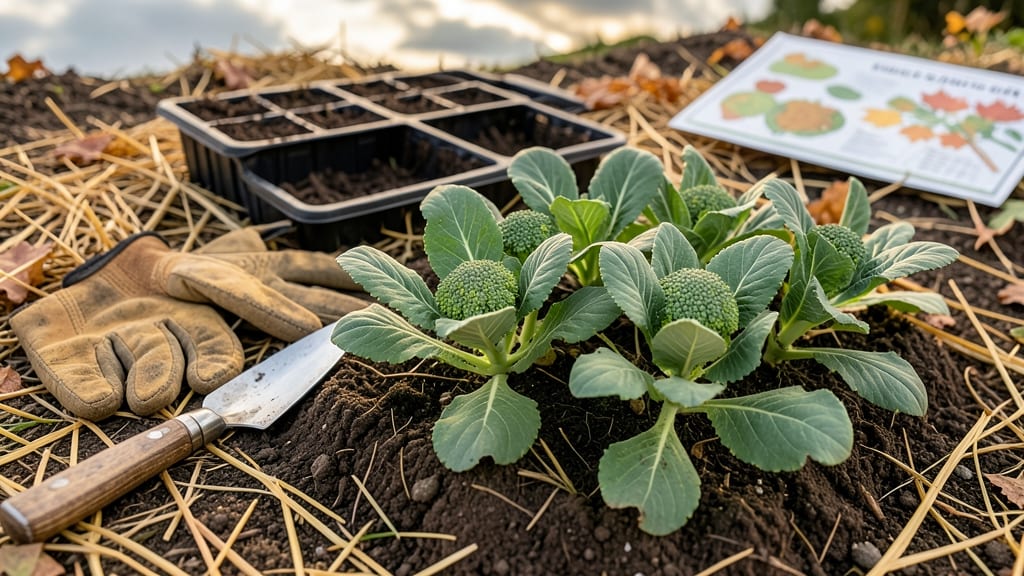
To plant a fall garden in Zone 7, start between late July and mid-August for cool-season crops like lettuce and spinach, or hold off until early September for frost-tolerant varieties.
Zone 7 gardeners know timing is everything—plant too early, and your fall crops face early frost; too late, and they won’t mature before winter. But with the right deadlines, you can grow a thriving garden from late summer to first frost.
Why does this matter? A well-timed fall garden extends your harvest, saves money at the grocery store, and keeps your green thumb busy when summer heat fades.
The key is matching crops to your local frost date (usually late November in Zone 7) and planting varieties with the right maturity window.
In this guide, I’ll walk you through the exact planting windows for your favorite fall crops, how to stretch your season with simple tricks, and the five mistakes that sabotage even the most eager gardeners.
Zone 7 fall planting deadlines by crop type (with frost risk timeline)
In Zone 7, the average first frost date falls between October 31 and November 15, depending on your exact location. To maximize your fall harvest, you’ll need to time plantings carefully—some crops thrive when planted early, while others need to go in just weeks before frost.
The key is understanding each plant’s maturity timeline and cold tolerance.
Cool-season crops like kale and carrots actually sweeten in cold weather, while tomatoes and peppers need warm soil to germinate. Below, I’ve broken down the last planting deadlines for both groups, plus a frost risk timeline to help you plan.
Miss these windows, and you might end up with bolting greens or frozen roots.
For cool-season crops, start seeds indoors 4-6 weeks before your last planting date to give them a head start. Leafy greens like lettuce and spinach can handle light frosts, but broccoli and cabbage need more time to bulk up.
If you’re planting radishes or turnips, they’re fast growers—ideal for late-season successions.
Warm-season holdovers like tomatoes and peppers are trickier. Soil must stay above 60°F for germination, so wait until mid-August to direct-sow. Use black plastic mulch to warm the soil faster. If you have cherry tomatoes still ripening, harvest them green and finish indoors—they’ll turn red with ethylene exposure.
Pro tip: Check your local frost risk timeline using the National Weather Service or Almanac. In Zone 7, light frosts (28°F-32°F) can hit as early as October 15, while hard frosts (below 24°F) typically arrive by November 1.
Use row covers to protect tender crops like basil or green onions
How to extend your fall garden season in Zone 7 (without frost damage)
Fall gardens in Zone 7 can feel like a race against time—one wrong move and frost ruins your hard work. But with the right strategies, you can push harvests well past the USDA’s average first frost date (typically mid-November).
The key? Combining season extension tools, smart planting, and soil prep to protect your crops while maximizing growth.
Don’t let early frosts steal your harvest! By using row covers, cold frames, and succession planting, you can add 4-6 weeks to your growing season. Even better, these methods work for everything from leafy greens to root vegetables—as long as you time them right.
Let’s break down the best ways to keep your garden thriving until winter.
- 📅 Start 6-8 weeks before first frost—most cool-season crops need 30-60 days to mature. Check your local frost date (not the USDA average!) by tracking 32°F lows for 3 years.
- 🛡️ Use floating row covers to protect tender crops like spinach and kale down to 20°F. Secure edges with bricks or soil to prevent wind damage.
- ☀️ Build a cold frame over hardy greens (e.g., swiss chard) to extend harvests until 15°F. Add straw mulch for insulation.
- 🌱 Practice succession planting every 2 weeks for fast-maturing crops like radishes (25 days) or bush beans (50 days) to stagger harvests.
- 🌱 Boost soil with compost and aged manure before planting to improve cold tolerance. Aim for 60°F soil temps for best germination.
First, calculate your local frost date—it may vary from the USDA’s Zone 7 average (usually October 31–November 15). Check your area’s 3-year history of 32°F lows using the National Weather Service or local cooperative extension office.
For example, if your area hits frost by November 1, start planting broccoli by September 15 to avoid frost damage.
For warm-season crops like tomatoes or peppers, use black plastic mulch to absorb heat and plant in raised beds for better drainage. These tricks can add 2-3 weeks to their productive life. Pair them with row covers for extra protection during light frosts (28–32°F).
Don’t forget soil prep—amend beds with compost and organic matter before planting to improve drainage and warmth. Cool soils slow germination, so aim for 60°F+ soil temps for seeds. Use a soil thermometer to monitor conditions, especially in early fall when nights cool quickly.
With these strategies, you’ll enjoy fresh salad greens, carrots, and kale well into December—no frost damage in sight! Start small, test methods, and adjust based on your microclimate. Happy gardening! 🌿