Planting
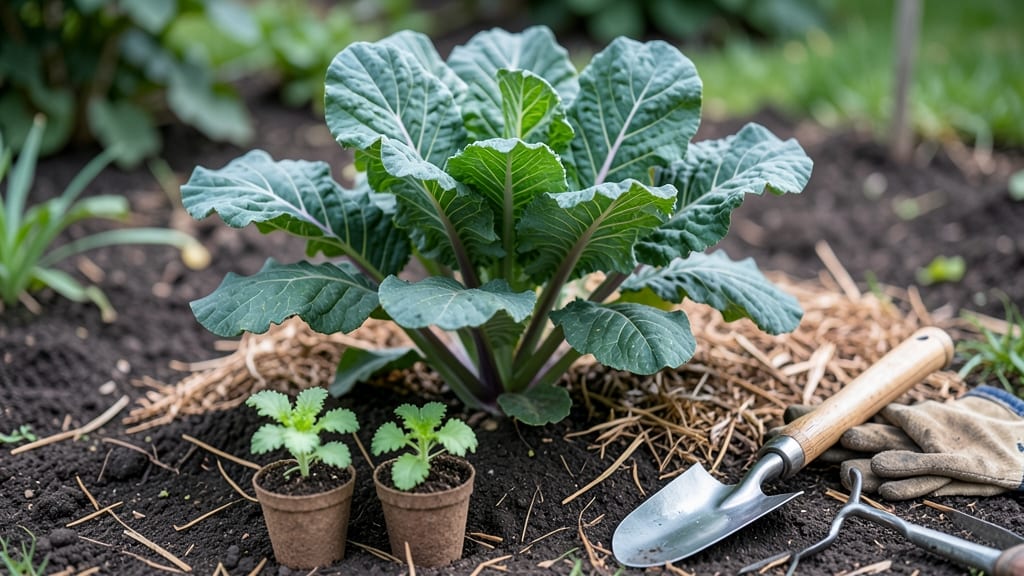
Planting a fall garden in Zone 7 starts 8-12 weeks before your first frost—that’s mid-August to early September for most of the region.
Miss that window, and you’ll end up with stunted greens or bolting herbs before you even get to harvest. I’ve seen it happen too many times: seeds sprouting just as the nights turn crisp, leaving gardeners scrambling to cover rows or pull what little they can before frost.
But here’s the good news: with the right timing, you can grow hardy crops like kale, carrots, and spinach that thrive in cooler weather and keep producing well into November.
The key is knowing which plants to start when, how to prep your soil, and when to pull the trigger on frost protection.
Below, I’ll walk you through the exact planting schedule for Zone 7, the best crops to prioritize, and the simple tricks to stretch your harvest past the first frost—so you’re not left with empty beds when the weather turns.
Exact weeks before first frost to plant fall vegetables in Zone 7
In Zone 7, where the first frost typically arrives around mid-October, timing your fall garden is all about working backward from that date. Planting too late risks stunted growth, while starting too early can lead to bolting or pests.
My strategy? Focus on cool-season crops that thrive in 50-70°F soil and mature before winter sets in.
For Zone 7 gardeners, the ideal window to start planting most fall vegetables is 8-12 weeks before the first frost. This means if your frost date is October 15, you should begin sowing seeds or transplanting seedlings by mid-August.
However, not all crops follow the same schedule—leafy greens like spinach can handle cooler temps, while broccoli and cauliflower need more time to bulk up.
| Crop Type | Weeks Before Frost | Best Varieties | Days to Maturity |
|---|---|---|---|
| Leafy Greens | 8-10 | Spinach 'Bloomsdale', Kale 'Winterbor' | 30-50 days |
| Root Vegetables | 10-12 | Carrots 'Nantes', Beets 'Detroit' | 50-70 days |
| Brassicas | 10-12 | Broccoli 'Calabrese', Cauliflower 'Snowball' | 60-80 days |
| Alliums | 8-10 | Onions 'Red Baron', Leeks 'American Flag' | 80-100 days |
| Herbs | 6-8 | Cilantro, Parsley, Dill | 40-60 days |
Start with fast-maturing crops like radishes or turnips, which can be planted just 6-8 weeks before frost and harvested in as little as 30 days. These act as a test run to gauge your soil’s readiness and your garden’s productivity before committing to longer-season crops.
For broccoli and cauliflower, which require 60-80 days to mature, aim to plant them 10-12 weeks before frost. These brassicas need consistent moisture and cooler temperatures to develop their signature heads.
I’ve found that transplanting seedlings rather than direct-sowing gives them a head start, especially if your summer was particularly hot.
If you’re growing leafy greens like spinach or kale, they’re more frost-tolerant and can even sweeten up after a light frost. Plant these 8-10 weeks before frost for a continuous harvest.
For succession planting, sow a second batch 4-6 weeks later to extend your harvest window into late fall.
Don’t overlook root vegetables like carrots or beets, which also thrive in cooler weather. These should be planted 10-12 weeks before frost to ensure they reach maturity before the ground hardens. Loosen the soil well before planting to prevent forked roots—a common issue in compacted soil.
For herbs like cilantro or parsley, which bolt in heat but tolerate cooler temps, plant them 6-8 weeks before frost. These can often survive light frosts and may even regrow in spring if protected by mulch.
I’ve had great luck with parsley overwintering under a thick layer of straw.
Pro tip: Use a garden thermometer to monitor soil temperatures. Most cool-season crops prefer soil temps between 50-70°F.
If your soil is still warm in early August, wait a week or two before planting to avoid stressing seedlings. Row covers or shade cloth can also help regulate soil temperature if needed.
Finally, keep an eye on your local frost date, as it can vary slightly from year to year. Check resources like the Old Farmer’s Almanac or your local Cooperative Extension Service for the most accurate predictions. With the right timing, you’ll be
Best fall crops for Zone 7 and how to extend their growing season
Fall gardening in Zone 7 is all about choosing the right cool-season crops that thrive in 50-60°F soil and using simple tricks to beat frost.
My top picks—kale, carrots, spinach, and broccoli—not only grow well but also sweeten after frost, making them perfect for late harvests. The key? Planting at the right time and protecting them with low-cost methods like row covers or cold frames.
These crops love 6-8 hours of sunlight but tolerate partial shade, which is a lifesaver if your garden gets afternoon shade. For example, spinach and kale actually taste sweeter after light frosts, so don’t rush to harvest them too early.
Meanwhile, carrots and broccoli need consistent moisture to avoid woody textures or bitter flavors. Let’s dive into the exact steps to extend their season and maximize your harvest.
- 1. Plant 4-6 weeks before first frost (late August for Zone 7). Use fast-maturing varieties like 'Early Wonder' broccoli (50 days) or 'Quicktop' kale (30 days).
- 2. Use row covers (floating fabric) to add 4-8°F protection. Secure edges with bricks or soil to prevent pests like cabbage moths.
- 3. Succession plant every 2 weeks for continuous harvests. For example, sow spinach in late August, then again in early September.
- 4. Mulch with straw to insulate roots and retain moisture. A 3-inch layer can delay soil freezing by 2-3 weeks.
- 5. Harvest before hard frost (below 25°F). For leafy greens, pick outer leaves to prolong growth; for root crops, pull when firm.
One of my favorite fall crops is kale, which not only survives frost but becomes sweeter after a light freeze. I’ve had success growing 'Winterbor' kale under a simple hoop house made from PVC pipes and plastic sheeting.
This setup adds 10-15°F protection and extends the season until December in Zone 7. For carrots, I plant 'Danvers Half Long' in late August and use straw mulch to prevent hardening. The secret? Keep the soil moist but well-draining—carrots hate soggy roots.
If you’re new to cold frames, start small with a DIY wooden box covered in clear plastic. Place it over spinach or lettuce to create a microclimate that stays 10-15°F warmer than outside. Just remember to ventilate on warm days to avoid overheating.
For broccoli, I recommend 'Calabrese', which matures in 60-70 days. Plant it in early September and use row covers to shield it from cabbage worms.
Don’t overlook herbs like cilantro and parsley, which thrive in cool weather. They’re perfect for succession planting—sow a new batch every 2 weeks until mid-September. And if you have extra space, try radishes like 'Cherry Belle', which mature in just 25 days.
Their quick growth makes them ideal for late-season gaps in your garden.
Pro tip: Test your soil temperature before planting. Use a soil thermometer to ensure it’s between 50-60°F—this is the sweet spot for most fall crops. If your soil is too warm (above 70°F), wait a week or two for it to cool down.
And always water deeply in the morning to reduce fungal risks. With these strategies, you’ll be harvesting fresh greens and roots well into November—or even December—without breaking the bank on fancy equipment.