
Planting
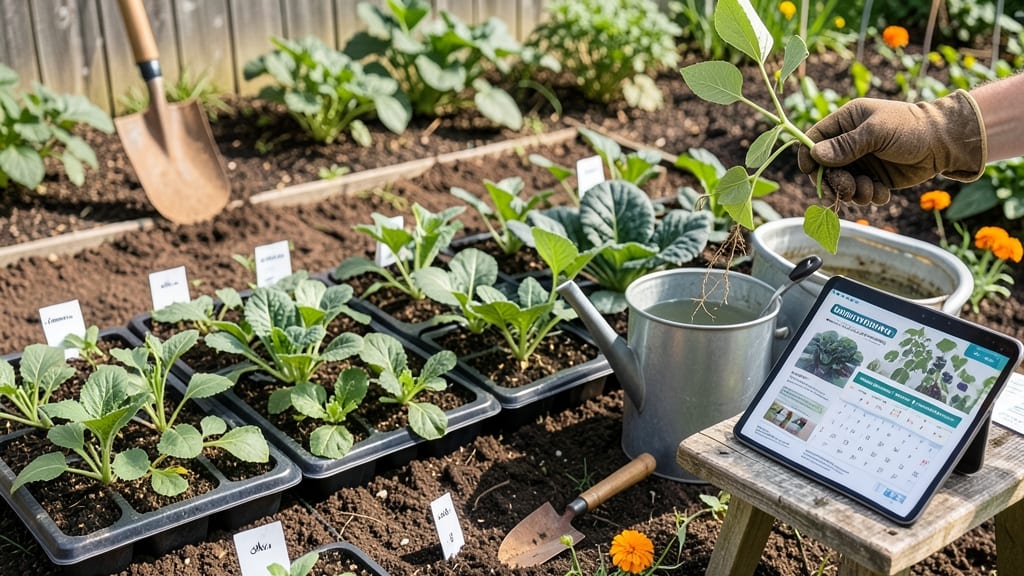
Planting a garden in Alabama at the right time means the difference between a thriving 🌱 harvest and a sad, wilted disappointment.
Alabama’s warm climate and long growing season make it a gardener’s paradise—but timing is everything. Plant too early, and a late frost could wipe out your seedlings. Too late, and summer heat arrives before your tomatoes or peppers even set fruit.
Most Alabama gardeners should start cool-season crops like spinach or broccoli in late winter or early spring, while warm-season favorites like okra and peppers wait until after the last frost—usually by mid-March in the north and February along the coast.
But regional differences matter: Birmingham’s USDA Zone 7a plays by different rules than Mobile’s Zone 8b.
Below, I break down the exact planting windows for every season, how to adjust for Alabama’s microclimates, and the 3 biggest mistakes that ruin timing—so you can grow like a pro.
Alabama’s frost-free deadlines by month: exact planting windows for every season
Alabama’s frost-free dates vary dramatically from the cool mountain regions of Huntsville (USDA Zone 7a) to the humid coastal plains of Mobile (Zone 8b). In North Alabama, the last frost typically arrives around March 15-30, while South Alabama gardeners often enjoy frost-free conditions by February 15.
These differences mean your tomato seeds might be ready to hit the soil in Mobile by late February, while Huntsville gardeners should wait until early April.
Understanding these windows is crucial because warm-season crops like peppers and okra need consistently warm soil—60°F or above—to thrive. Meanwhile, cool-season greens such as spinach and broccoli can handle Alabama’s mild winters and should be planted 4-6 weeks before your area’s last frost date.
For example, Birmingham’s average last frost is March 22, so I start my broccoli seeds indoors in February for a March transplant.
Below is your Alabama planting calendar, broken down by region and crop type. Use this as your guide to maximize yields and avoid common timing mistakes that lead to bolting lettuce or stunted tomatoes.
| Region & Frost Dates | Cool-Season Crops (Plant Before Last Frost) | Warm-Season Crops (Plant After Last Frost) | Year-Round Options |
|---|---|---|---|
| North AL (Huntsville) Last Frost: Mar 15-30 First Frost: Nov 1-15 |
Spinach (Feb-Mar) Broccoli (Feb-Apr) Peas (Feb-Mar) |
Tomatoes (Apr 15-May 1) Peppers (Apr 30-May 15) Okra (May 15-Jun 15) |
Green Onions Cilantro Dill |
| Central AL (Birmingham) Last Frost: Mar 1-15 First Frost: Nov 15-30 |
Lettuce (Feb-Apr) Kale (Jan-Apr) Carrots (Feb-Mar) |
Sweet Potatoes (Apr 15-May 10) Eggplant (May 1-Jun 1) Cucumbers (May 15-Jun 15) |
Basil Parsley Thyme |
| South AL (Mobile) Last Frost: Jan 31-Feb 15 First Frost: Dec 1-15 |
Radishes (Jan-Mar) Collards (Oct-Feb) Turnips (Jan-Mar) |
Watermelon (Mar 15-Apr 15) Squash (Mar 30-Apr 30) Green Beans (Apr 15-May 15) |
Rosemary Oregano Chives |
| Key Timing Tips | Use row covers to extend cool-season planting by 2-3 weeks. | Wait until soil reaches 60°F+ for warm-season crops. | Herbs like cilantro bolt in heat—plant in fall or spring. |
For warm-season crops, I recommend waiting until the soil temperature consistently stays above 60°F. Use a soil thermometer to check—this is more accurate than air temperature alone.
In North Alabama, this often means waiting until mid-April for tomatoes, while South Alabama gardeners can plant as early as late February. Peppers and eggplants are particularly sensitive and should never be planted before April 15 in Birmingham or March 30 in Mobile.
Don’t overlook fall planting—Alabama’s second growing season is just as productive. I often plant broccoli and spinach in August for a fall harvest, aiming to have them established before the first frost in November.
For warm-season crops like sweet potatoes, I start seeds in late June to ensure a harvest before cold weather sets in.
Year-round options like green onions and herbs such as cilantro are my go-tos for filling gaps between seasons. These hardy plants tolerate Alabama’s mild winters and can be harvested continuously.
For example, I plant green onions every 6 weeks from February through October to ensure a steady supply. Basil, on the other hand, thrives in Alabama’s heat and can be planted as early as March in Mobile or April in Huntsville.
Pro tip: Use Alabama Extension Service’s frost maps for hyper-local advice. Their resources adjust for microclimates like urban heat islands or sheltered valleys, which can shift frost dates by 1-2 weeks. For instance, if you’re gardening in Downtown
How to adjust planting times for Alabama’s microclimates and soil conditions
Alabama’s diverse climate zones—from the humid Coastal Plain to the cooler Appalachian foothills—mean your neighbor’s perfect planting time might not work for you. Even within cities, urban heat islands can push temperatures 5-10°F higher than rural areas, throwing off traditional schedules.
For example, Mobile’s last frost often comes weeks earlier than Huntsville’s, but both face unique soil challenges like clay-heavy ground that stays wet too long.
To maximize your garden’s potential, you’ll need to adjust planting times based on three key factors: microclimates, soil conditions, and season extension tools. Start by identifying your specific zone using the Alabama Extension Service’s Planting Calendar, then tweak those dates with the tips below.
For instance, cool-season crops like broccoli can go in as early as February in South Alabama, while North Alabama gardeners might wait until March 15 to avoid frost damage.
- 📅 Start seeds indoors 6-8 weeks before your last frost date. For example, tomatoes and peppers in Zone 7a (North AL) should begin indoors by February 15, while Zone 8a (South AL) can start them March 1.
- Use row covers to extend cool-season planting by 3-4 weeks. Lightweight fabric protects lettuce, spinach, and kale from light frosts (28-32°F) and cabbage worms without overheating soil.
- Direct-sow warm-season crops only after soil reaches 60°F. Test with a soil thermometer—Birmingham’s clay soil may need black plastic mulch to warm faster than sandy Coastal soils.
- Adjust for urban heat: Cities like Montgomery can plant okra and sweet potatoes 2 weeks earlier than rural areas. Monitor sidewalk temperatures—they can exceed 120°F in summer, stressing plants.
- Amend clay soil with 2-3 inches of compost or pine bark fines to improve drainage. For container gardens, use a 50/50 mix of potting soil and perlite to prevent root rot.
- Leverage the Alabama Extension Service: Their free county-specific guides (e.g., Autauga vs. Jefferson County) provide hyper-local frost data and planting depth charts for Alabama’s unique seeds.
- Plan for fall crops by sowing radishes and turnips in late July—they’ll mature before first frost. Use cold frames to harvest greens until December in Zone 8b.
If you’re struggling with slow-draining clay soil, consider raised beds filled with well-draining mix. I’ve had success with a 1:1 ratio of topsoil to compost, topped with straw mulch to retain moisture without suffocating roots.
For urban gardeners, elevated beds also help manage heat-reflective pavement nearby, which can bake soil to 100°F+ in summer.
For season extension, I rely on low tunnels (hoop houses) to protect spring greens until April 30 and fall crops until November 15. These simple structures raise temperatures by 5-10°F and shield plants from wind and pests.
Pair them with drip irrigation to avoid overhead watering, which can spread fungal diseases in Alabama’s humid climate.
Don’t overlook the Alabama Extension Service’s Planting Calendar—it’s a game-changer for hyper-local advice. For example, their data shows Mobile’s last frost averages March 1, while Huntsville’s is March 15.
Use their interactive map to find your exact frost-free window and adjust seed-starting dates accordingly. Pro tip: Bookmark their “Alabama Gardening Calendar” PDF for monthly reminders on planting, fertilizing, and pest control.
Remember, soil temperature matters more than air temperature. Use a soil thermometer to confirm 60°F+ for warm-season crops like peppers and cucumbers. In North Alabama’s cooler microclimates, you might need to delay planting by 2 weeks compared to South Alabama.
With these adjustments, you’ll turn Alabama’s challenges into opportunities for a longer, more productive growing season. 🌿