Planting
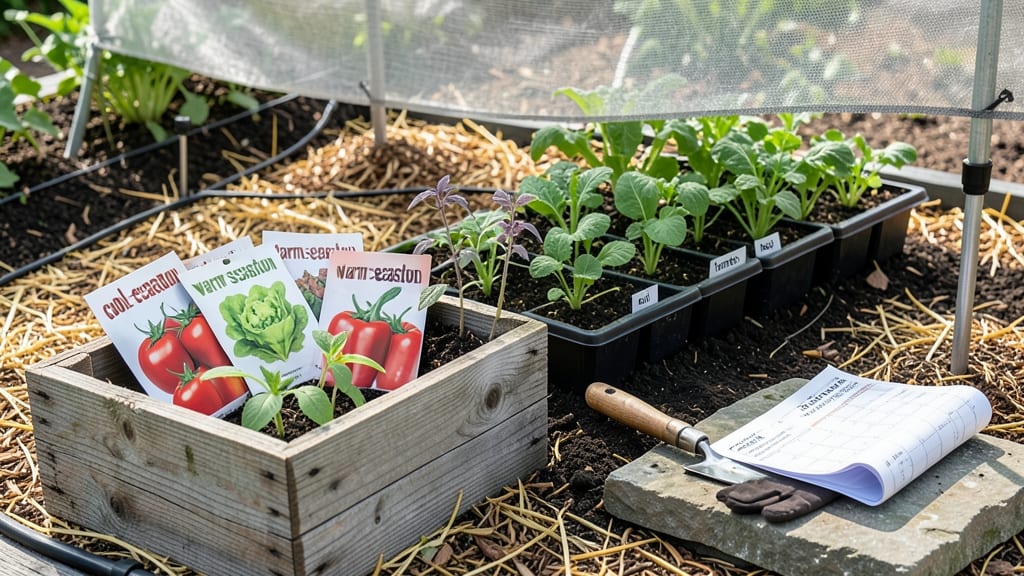
To plant a garden in Colorado, time your seeds and seedlings between mid-March and mid-May for spring, or August to mid-September for fall—missing these windows risks frost damage or stunted growth.
Colorado’s diverse elevation zones create unique gardening challenges—plant too early, and frost will wipe out your hard work; wait too long, and you’ll miss the growing season. Timing is everything, and getting it right means lush harvests instead of wilted dreams.
Denver’s last frost typically arrives around April 15, while mountain communities like Colorado Springs may wait until early May. High-altitude gardens face shorter seasons, so starting cool-season crops like spinach and peas indoors in February gives them a head start.
Below, I break down exact planting dates by elevation, how to adjust for late frosts, and the best early-season vegetables to maximize your Colorado garden’s potential.
Colorado’s frost-free deadlines by elevation zone: exact planting windows
Colorado’s elevation-driven climate means your last frost date can vary by thousands of feet—and by weeks—between Denver and mountain towns. At 5,280 feet, Denver’s average last frost arrives around April 15, while 10,000-foot communities like Evergreen may not see frost-free conditions until June 1.
Understanding these microclimates is the key to avoiding frost damage or missed harvests.
For cool-season crops like spinach, peas, and broccoli, I recommend planting 4-6 weeks before your expected last frost. Warm-season plants—tomatoes, peppers, and cucumbers—need soil temperatures above 60°F, which typically arrives 2-4 weeks after the last frost in lower elevations.
In high-altitude gardens, even hardy varieties may need row covers to extend the season.
USDA Hardiness Zones in Colorado range from 4a (mountains) to 7a (lower Front Range), but elevation trumps zone for frost timing. A 6,000-foot garden in Colorado Springs (Zone 6a) might align with Denver’s frost dates, while a 7,500-foot plot in Woodland Park (Zone 5b) could face late May frosts. Always check local weather records—not just zone maps—for the most accurate planting windows.
In Denver (5,280 ft), where the average last frost is April 15, I start cool-season crops like kale and carrots in early March under row covers.
By May 1, the soil warms enough for tomatoes and peppers, but I wait until June 1 for heat-loving crops like okra or sweet potatoes.
For Colorado Springs (6,000 ft), shift these dates 1 week later—plant cool-season crops in late March and warm-season plants after May 15.
Mountain communities like Evergreen (7,500 ft) or Woodland Park (8,000 ft) face later frosts and shorter seasons. Here, I focus on fast-maturing varieties like bush beans (50 days) or radishes (30 days) and use cold frames to extend harvests.
Even hardy greens may need protection until June 1, while warm-season plants often wait until July 1.
For high-altitude gardens above 9,000 feet, staggered planting is essential. I sow peas and spinach in late April, then add lettuce and radishes in early June. Tomatoes and peppers
How to adjust planting dates for Colorado’s unpredictable weather patterns
Colorado’s weather can shift faster than a mountain breeze, leaving gardeners scrambling when late frosts or early freezes strike. I’ve learned the hard way that sticking to a rigid planting schedule won’t cut it here—flexibility is key.
The Front Range and Western Slope have wildly different microclimates, and even a few hundred feet of elevation can mean the difference between a thriving garden and a sad, frost-nipped failure.
My strategy? I start by monitoring soil temperatures (aim for 45°F for cool-season crops) and use frost dates as guidelines, not rules.
For example, in Denver (USDA Zone 5b), I plant peas and spinach as soon as the soil warms to 40°F in March, but I keep frost cloth on hand for those 20°F dips that sneak up in April.
At higher elevations, like Telluride (Zone 6a), I wait until May 1 for warm-season crops like tomatoes, knowing the last frost can linger into late May.
⚠️ callout warning
⚠️ Colorado’s Frost Tricks: Don’t Be Fooled!
Colorado’s late-spring frosts can hit after Memorial Day, even in Denver or Colorado Springs. Mountain areas (8,000+ ft) face earlier freezes—sometimes as early as September 1. Always use frost dates as a starting point, not a deadline. I’ve lost tomato seedlings to frost in June in Fort Collins—don’t make my mistake!
🌱 Pro Tip: Plant cold-hardy crops (like kale or peas) 4-6 weeks before your average last frost date.
To hedge my bets, I use staggered planting—sowing seeds in two-week intervals ensures a steady harvest even if the weather turns. For example, I plant lettuce every 10 days from April to June so I’m not left with bolting greens if a heatwave hits.
For warm-season crops like peppers and eggplants, I wait until two weeks after the last frost date and use black plastic mulch to warm the soil faster.
Row covers and cold frames are my secret weapons for extending the season. A simple frost blanket (like Reemay fabric) can protect seedlings down to 20°F, while a low-cost cold frame (built from wood and plexiglass) lets me grow spinach and carrots until November in my Denver garden.
I’ve even kept herbs like cilantro producing through October with these tricks—something I never dared try before I moved here.
For high-altitude gardens, I adjust my timeline even further. In Steamboat Springs (Zone 5a), I start cool-season crops indoors in February and harden them off by late April. I also choose fast-maturing varieties (like ‘Early Girl’ tomatoes) to beat the short growing season.
At lower elevations, like Pueblo (Zone 6b), I can push the envelope with fall planting, sowing radishes and turnips in August for a harvest before the first frost.
Don’t forget to watch for microclimate clues. South-facing slopes warm up faster, while north-facing areas stay cooler longer. I’ve planted tomatoes on my south-facing patio in May when the garden bed was still too cold—this gave me a 3-week head start on my neighbors.
And if you’re unsure about your local frost dates, check Almanac.com or ask your local Cooperative Extension office for data tailored to your specific elevation.
With these adjustments, I’ve turned Colorado’s unpredictable weather into an advantage. My garden now thrives where others give up—all thanks to flexible timing, protective layers, and a little extra patience. Now it’s your turn to try these tricks and make the most of your high-altitude harvest! 🌱