
Planting
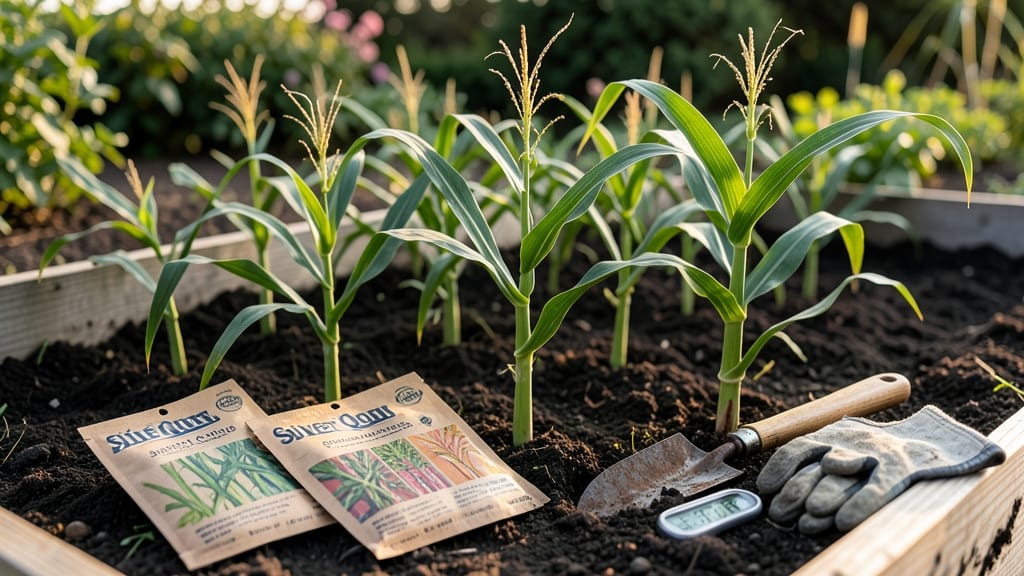
Planting a garden in Iowa at the right time means the difference between a bountiful harvest and starting over after a late frost.
Iowa’s unpredictable frost dates can make or break your garden—plant too early, and you risk losing your hard work to a late freeze. But with the right timing, you can grow a thriving garden full of fresh vegetables, flowers, and herbs all season long.
Whether you’re in USDA Zone 3 up north or Zone 6 in the south, knowing when to plant is the key to success. Cool-season crops like spinach and peas can handle early spring, while tomatoes and peppers need to wait until the soil warms.
In this guide, I’ll break down the exact planting windows for every crop, plus pro tips to extend your growing season and avoid frost damage. Let’s get your garden off to the best start!
Iowa’s frost dates by region: exact planting windows for cold-hardy and warm-season crops
Understanding Iowa’s frost dates is the key to unlocking a successful garden. The state’s USDA Hardiness Zones 3-6 mean frost timing varies dramatically from north to south, with rural areas often experiencing colder microclimates than urban spots.
For example, Dubuque (Zone 4b) might see its last spring frost in mid-May, while Des Moines (Zone 5b) typically warms up by early May. These differences directly impact when you can safely plant cool-season crops like spinach and warm-season crops like tomatoes.
Cool-season crops thrive when planted 4-6 weeks before your last frost date, while warm-season crops need to wait until 2 weeks after the frost risk has passed.
In Iowa, this means late April to early June for most gardeners, but timing shifts 1-2 weeks earlier in southern Iowa compared to northern regions. Urban gardeners may also experience slightly warmer microclimates due to concrete heat absorption, allowing for earlier planting in city gardens compared to rural areas.
Here’s how to use this Iowa frost date guide for your garden:
| Region | USDA Zone | Avg. Last Frost | Avg. First Frost | Cool-Season Planting Window | Warm-Season Planting Window |
|---|---|---|---|---|---|
| North (Dubuque, Waterloo) | 4a-4b | May 15-20 | September 25-October 5 | April 15-May 10 | May 25-June 10 |
| Central (Des Moines, Ames) | 5a-5b | May 1-10 | September 15-25 | March 30-April 25 | May 10-May 25 |
| South (Ottumwa, Burlington) | 6a-6b | April 25-May 5 | October 5-15 | March 15-April 15 | April 20-May 10 |
For cool-season crops like spinach, peas, and lettuce, start seeds indoors 4-6 weeks before your last frost date. In northern Iowa, this means mid-March for early varieties, while southern Iowa gardeners can begin as early as late February.
These crops can often tolerate light frosts, so don’t rush to harvest them when temperatures dip—32°F or higher is usually safe for most varieties.
Warm-season crops such as tomatoes, peppers, and cucumbers require soil temperatures above 60°F to germinate properly. In Iowa, this typically aligns with 2 weeks after your last frost date.
For example, Des Moines gardeners should wait until early May, while Dubuque residents may need to hold off until late May. If you’re eager to get a head start, consider using biodegradable seed starting pots and a heat mat to jumpstart germination indoors.
Microclimates play a huge role in Iowa’s gardening success. Urban areas with paved surfaces and buildings can be 2-5°F warmer than rural fields, creating earlier planting opportunities.
For instance, a south-facing wall in an urban garden might allow you to plant tomatoes 1-2 weeks earlier than your neighbors in open fields. Conversely, low-lying areas or windy spots may experience later frosts, so monitor these zones closely.
To adjust for microclimates, use frost-sensitive plants as indicators. For example, plant marigolds or basil near your tomato seedlings—if they survive a light frost, your tomatoes are likely safe.
Additionally, row covers can extend your planting window by 2-4 weeks in spring and fall, protecting tender crops from unexpected cold snaps. These covers create a mini greenhouse effect, raising soil temperatures by 5-10°F.
Don’t forget about fall planting opportunities! Many cool-season crops thrive when planted in late
Best crops to plant in Iowa by month: a month-by-month survival guide
Timing is everything in Iowa’s garden—where last frost dates can swing wildly between April and June depending on your region. The key to a bountiful harvest? Planting the right crops at the right time, whether you're sowing cool-season greens in spring or heat-loving tomatoes in summer.
I’ve broken it down by month so you can avoid the heartbreak of frost-killed seedlings and maximize your garden’s potential.
Don’t let Iowa’s unpredictable weather derail your plans. By following this month-by-month guide, you’ll learn when to start seeds indoors, when to direct-sow outdoors, and which succession crops to plant for continuous harvests.
Whether you’re a beginner or a seasoned gardener, these tips will help you grow a garden that thrives all season long.
- 🌱 March-April: Start onions, spinach, and peas indoors. Direct-sow lettuce and radishes once soil reaches 40°F.
- 🌱 May: Plant beans, cucumbers, and squash after last frost. Transplant tomatoes and peppers when soil is 60°F+.
- 🌱 June-July: Sow corn and okra. Succession plant bush beans every 2 weeks for continuous harvests.
- 🌱 August: Start fall broccoli and kale indoors. Direct-sow radishes and turnips for early fall harvests.
- 🌱 September: Plant garlic and overwintering onions. Extend season with row covers for greens and carrots.
Spring in Iowa is all about cool-season crops that tolerate frost, like spinach and peas. These hardy veggies can handle light frosts and even thrive in cooler temperatures. Start them indoors in March or direct-sow as soon as the soil is workable—usually by mid-April in most regions.
For a head start, try cold frames or row covers to protect tender seedlings from unexpected late frosts.
Once the last frost date passes (typically mid-May in northern Iowa and early May in the south), it’s time for warm-season crops like tomatoes, peppers, and cucumbers. These plants need consistent warmth to germinate and grow, so wait until the soil is at least 60°F before planting.
If you’re eager to get started, you can begin indoor seedlings in April and transplant them outdoors after the frost risk has passed.
Summer is the time to focus on high-yielding crops like corn, squash, and beans. These plants thrive in Iowa’s hot, humid summers and can produce abundantly if given enough space and consistent watering.
Don’t forget about succession planting—sowing bush beans every 2 weeks ensures a steady supply of fresh pods all season. For corn, plant in blocks rather than rows to improve pollination and yield.
Fall brings a second chance for cool-season crops like kale, broccoli, and radishes. These frost-resistant varieties actually taste sweeter after a light frost, making them perfect for late-season harvests. Start seeds indoors in August or direct-sow in September for a fall harvest.
Use row covers to extend the season even further, protecting your plants from early frosts and keeping them productive well into October or November.
With the right timing and a little planning, you can enjoy a year-round harvest in Iowa—from crisp spring lettuce to sweet fall radishes. The secret? Pay attention to frost dates, use succession planting, and don’t be afraid to experiment with season-extending tools like row covers.
Your garden will thank you with a bountiful, delicious harvest all season long! 🌿