
Planting
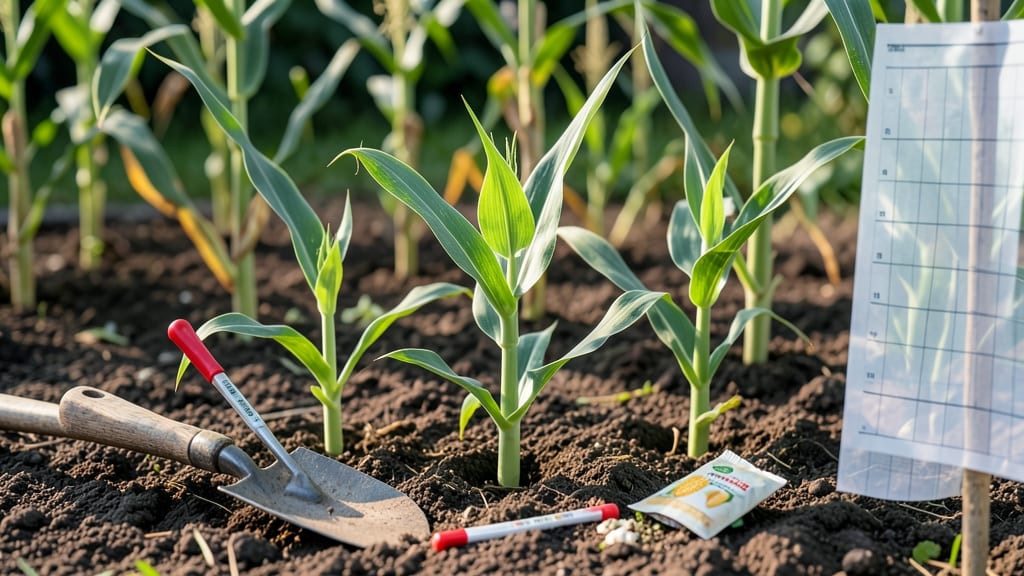
To plant a garden in Iowa, aim for early April through mid-May when soil temperatures hit 50°F — the difference between a thriving harvest and a frost-killed disappointment.
Iowa’s unpredictable spring weather can turn your gardening dreams into a gamble—unless you know the exact planting deadlines for your USDA Zone 5b crops. Miss the window, and frost or heat will ruin your harvest before it starts.
Most cool-season crops like spinach and peas can go in as early as March, while warm-season favorites like tomatoes and peppers need to wait until after the last frost, typically around May 10 in most of the state.
Below, I break down the ideal planting times for vegetables, flowers, and perennials, plus how to adjust for Iowa’s notorious late freezes and short growing season.
Iowa’s USDA Zone 5b planting deadlines by crop type (with frost risk alerts)
Iowa’s USDA Zone 5b gardeners face a tight window between late spring freezes and summer heat, making precise planting deadlines critical. The average last frost date falls between April 25–May 10, but late freezes can hit as late as May 20.
Warm-season crops planted too early will bolt or rot, while cool-season varieties left too late may struggle in summer heat.
To succeed, I rely on soil temperature and moon phases alongside frost dates. For example, tomatoes need soil at 60°F+, while peas thrive in 40°F+ soil. Iowa’s unpredictable weather demands flexibility—always have row covers ready for late frosts.
For cool-season crops like spinach and kale, I start seeds indoors in March or direct-sow as early as March 15 under row covers. These hardy greens tolerate light frosts, but bolting (premature flowering) occurs if planted too late. Test soil pH (6.0–7.0) and amend with compost before sowing.
Warm-season crops demand patience. Tomatoes and peppers won’t thrive until soil hits 60°F+, typically mid-May. I use a soil thermometer to monitor temperatures—planting too soon risks blossom-end rot. For extra protection, I opt for heat-tolerant varieties like 'Celebrity' tomatoes or 'Jalapeño M' peppers.
Herbs like basil are finicky—they won’t germinate in cold soil and bolt in summer heat. I plant basil after May 10 in well-draining soil and provide afternoon shade during July–August. <
How to adjust planting times for Iowa’s unpredictable weather patterns
Iowa’s unpredictable spring can leave gardeners scrambling—one day it’s 60°F, the next a 28°F freeze. The key to success? Flexible planting strategies that account for late frosts, soil warming delays, and sudden heatwaves.
I’ve learned to treat planting dates as guidelines, not rules, and use tools like row covers and cold-hardy varieties to stretch Iowa’s short growing season.
First-time gardeners often panic when their last frost date slips from April to May. But with the right adjustments, you can still grow a bountiful harvest. Start by monitoring soil temperatures—most seeds need 50°F+ to germinate, while warm-season crops like tomatoes require 60°F+.
I use a soil thermometer to track progress, and I’ve never been disappointed when I wait for the right conditions instead of rushing.
Here’s how I adjust planting times to beat Iowa’s weather whims:
- Use row covers to extend last frost dates by 2–4 weeks. Lightweight fabric traps heat and protects seedlings from late spring freezes—perfect for spinach, lettuce, and peas.
- Choose cold-hardy varieties like ‘Early Girl’ tomatoes or ‘Sugar Snap’ peas, which tolerate 40°F+ temperatures better than standard types.
- Plant succession crops every 2 weeks (e.g., radishes, bush beans) to ensure a continuous harvest even if early plantings fail.
- Hardening off seedlings 7–10 days before transplanting reduces shock from temperature swings. Gradually expose them to wind and sun outdoors.
- Set up a cold frame for warm-season starts (e.g., peppers, eggplantscool springs. Remove the frame when soil warms to 65°F+.
For first-time gardeners, I recommend a 5-step risk assessment before planting. First, check your local frost dates—Iowa’s average last frost is May 10, but it can vary by 10–14 days yearly. Next, test your soil pH and fertility; amend with compost if needed.
Then, research your crop’s heat tolerance—some, like okra, thrive in 90°F+ heat, while others, like cucumbers, bolt in high temps.
Don’t forget to mulch heavily to regulate soil temperature. I use straw or shredded leaves to keep roots cool in summer and insulated in fall. This simple step can extend harvests by 3–4 weeks for crops like kale and carrots.
Pair mulch with drip irrigation to maintain even moisture—uneven watering stresses plants and makes them vulnerable to pests and disease.
Finally, keep a gardening journal to track your adjustments. Note which planting dates worked (or failed) and refine your strategy yearly.
For example, I used to plant zucchini in early May, but after 3 years of late frosts, I now wait until May 25—and my yields are 30% higher. Small tweaks make a big difference in Iowa’s climate. 🌱