
Planting
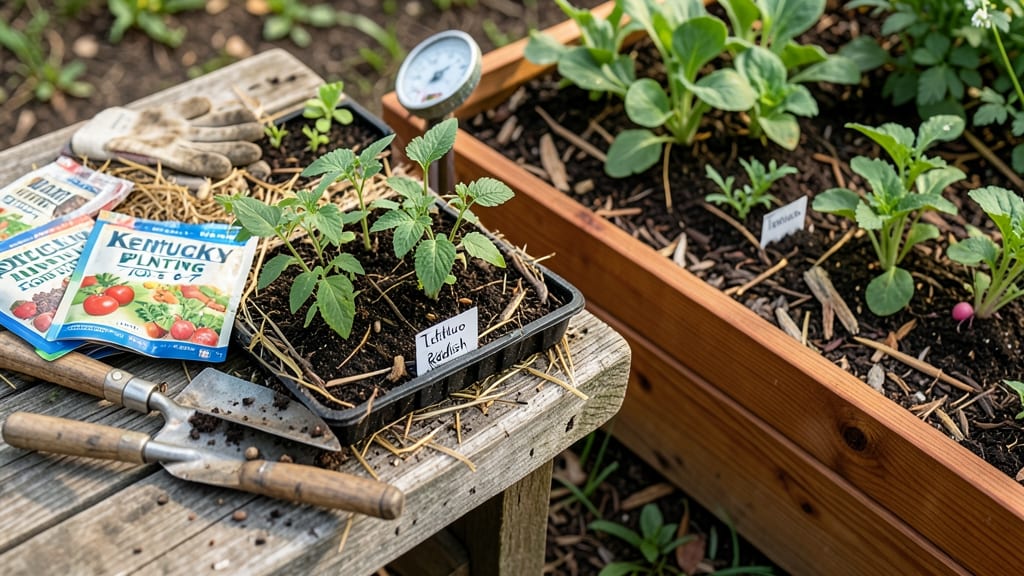
Planting a garden in Kentucky at the right time means the difference between a bountiful harvest and a sad, wilted mess 🌱 — and the best window opens earlier than you think.
Most gardeners wait until after the last frost, but Kentucky’s USDA Zone 6b climate actually rewards early starters who prep soil in February. The key? Cool-season crops like spinach and peas can handle light freezes, while warm-season veggies like tomatoes need soil at 60°F before they’ll thrive.
Miss the mark, and you’re stuck with leggy seedlings or bolting herbs. I’ve learned the hard way—last year’s zucchini plants took off in June, but the heat arrived too fast, leaving me with bitter fruit instead of sweet harvests.
Here’s the exact planting schedule by crop type, plus how to adjust for Kentucky’s microclimates—so you can finally get it right.
Kentucky planting calendar: exact deadlines for vegetables by season
Kentucky’s USDA Zone 6b climate creates a 165-200 day growing season, but timing is everything. The average last frost date hovers around mid-April for Lexington and Louisville, while Bowling Green’s slightly warmer microclimate may see frost-free conditions 1-2 weeks earlier.
These deadlines ensure your cool-season crops avoid frost while warm-season plants establish before summer heat peaks.
I’ve broken down planting windows by crop type, using local frost data from the UK Extension Service.
For cool-season vegetables like lettuce and spinach, start seeds indoors 4-6 weeks before your last frost—that’s mid-February to early March—while warm-season crops like tomatoes and peppers need to wait until soil temperatures hit 60°F, typically mid-April to early May.
Here’s your Kentucky planting calendar with exact deadlines for spring and fall planting, tailored to Lexington, Louisville, and Bowling Green:
For Lexington and Louisville, stick to these deadlines, but Bowling Green gardeners can push warm-season crops 1-2 weeks earlier thanks to its warmer microclimate. Always check soil temperatures with a probe—warm-season plants like peppers and eggplants won’t thrive until the ground reaches 65-70°F.
Pro tip: Use row covers to extend your spring planting window by 2-3 weeks for heat-loving crops. I’ve had great success with floating row covers on tomatoes in early April, which lets me harvest 3-4 weeks earlier than the calendar suggests. Just remove covers when flowers appear to allow pollination!
Fall planting is equally critical—cool-season crops like broccoli and Brussels sprouts need 90-120 days to mature before the first frost (mid-October). Start seeds indoors by late July or direct-sow by early August for a fall harvest.
For warm-season crops like sweet potatoes, plant slips by late June to ensure they mature before frost.
Don’t forget succession planting! For leafy greens and bush beans, sow new seeds every 2 weeks from spring through early summer. This ensures a continuous harvest and prevents glutting your kitchen.
I’ve found that radishes—ready in just 30 days—are perfect for filling gaps between slower-growing crops like cabbage.
Finally, adjust for unpredictable weather. Kentucky’s 2023 early spring saw frost-free conditions by March 10 in some areas, while others experienced late frosts into mid-April. Use frost cloths as a safety net for tender seedlings, and always have backup seeds ready for replant
How Kentucky’s microclimates affect your planting schedule (and how to adjust)
Kentucky’s diverse geography creates microclimates that can shift your ideal planting dates by 2-4 weeks. Whether you’re in the Bluegrass Region or the Appalachian foothills, elevation changes, urban heat islands, and soil types all play a role.
For example, Louisville’s concrete jungles trap heat, while higher elevations near Red River Gorge stay cooler longer. These variations mean the last frost date can range from late March to early May, depending on location.
Soil type also matters—clay-heavy soils in western Kentucky warm up slower than the loamy soils of central Kentucky. This delay can push your planting window back by 10-14 days if you’re not prepared. Even within the same county, a north-facing slope might frost later than a south-facing garden bed.
Understanding these nuances helps you adjust planting dates to match your specific conditions, not just the general USDA Zone 6b guidelines.
⚠️ Warning: Urban Heat Islands Delay Frost
Cities like Louisville and Lexington can experience 5-10°F warmer nights than rural areas, pushing last frost dates 1-2 weeks later. Use local weather station data (like UK Ag Weather) to fine-tune your schedule. For example, if your neighborhood averages 50°F nights in early April, wait until soil reaches 55°F before planting peppers or tomatoes.
To account for these variations, I recommend checking local frost records from the past 5 years. For instance, the 2023 early spring saw frost-free dates arrive 10 days earlier than average in some areas, while others experienced unexpected late frosts.
By tracking these trends, you can shift planting dates forward or backward as needed. For example, if your area tends to have warmer microclimates, you might safely plant warm-season crops like cucumbers by mid-April instead of waiting until early May.
Another key adjustment involves soil temperature. Use a soil thermometer to confirm when your garden bed reaches the ideal planting temperature for specific crops. For instance, cool-season crops like spinach thrive when soil is between 45-55°F, while warm-season crops like squash need 60-70°F.
If your soil warms up slower due to shade or clay content, consider using black plastic mulch to speed up the process by 2-3 weeks.
Don’t overlook the impact of wind exposure either. Gardens in open fields or near mountain passes may experience colder temperatures and stronger winds, which can delay planting by 1-2 weeks. If you’re in a windy area, use windbreaks like tall grasses or hedges to create a more sheltered microclimate.
This simple change can make a big difference for delicate seedlings like lettuce or herbs.
Finally, leverage local gardening resources like the UK Extension Service or community garden groups to gather insights from neighbors with similar microclimates. They’ve likely already figured out the best planting tweaks for your specific area.
By combining historical frost data, soil temperature monitoring, and community knowledge, you’ll create a planting schedule that’s tailored to your unique corner of Kentucky—maximizing your chances of a bountiful harvest.