
Planting
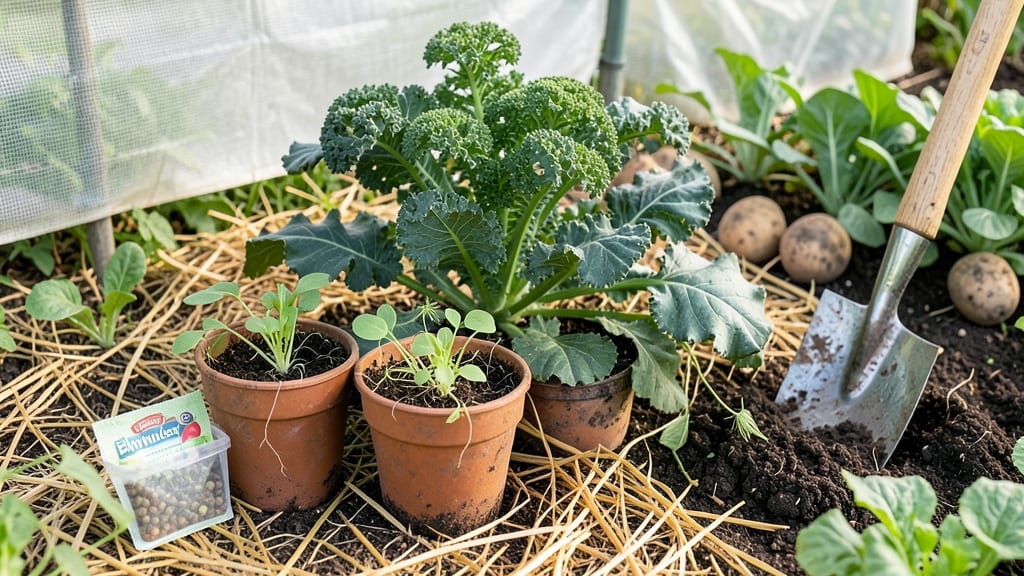
Planting a garden in North Dakota means timing your crops to beat the frost—soil temperatures of 50°F or higher are your green light for most vegetables and flowers.
North Dakota’s short growing season demands precision—plant too early and risk frost damage, too late and miss peak harvests. Timing your garden based on soil temperatures (not just air temps) is the key to thriving vegetables and flowers in the rugged Prairie climate.
In USDA Zones 3b-4b, the last frost typically arrives around mid-May, but soil warms slower than the air. Cool-season crops like peas and spinach can go in as early as late April, while tomatoes and peppers need to wait until June when soil reaches 60°F+.
Below, I’ll break down the exact planting windows for your region, soil prep tips to speed up warming, and how to stretch your growing season with row covers and cold-hardy varieties.
North Dakota planting zones: when to start seeds indoors vs. direct sowing outdoors
North Dakota’s USDA Zones 3b-4b mean gardeners must work with a short 120-day growing season. The difference between direct sowing outdoors and starting seeds indoors can mean the difference between a thriving harvest and a failed crop.
In cities like Fargo, Bismarck, and Minot, last frost dates vary slightly, but the general rule is mid-May—though soil warmth often lags behind air temperatures.
For cold-hardy crops like spinach, peas, and kale, you can often direct sow as early as late April, but tender plants like tomatoes, peppers, and basil need soil temperatures above 50°F before transplanting.
This usually happens in late May to early June. Starting seeds indoors 6-8 weeks before the last frost gives them a head start in North Dakota’s chilly climate.
Here’s how to align your planting strategy with North Dakota’s unique frost patterns and soil conditions:
In Fargo and Bismarck, where last frosts typically arrive by May 10-12, gardeners can push the envelope slightly with row covers or cold frames. However, Minot’s later frost dates (May 15) mean waiting an extra week or two is safer for tender crops.
Always check local microclimates—urban areas may warm up faster than rural spots due to heat island effects.
For indoor seed starting, use grow lights if natural light is limited. Most North Dakota gardeners begin tomato and pepper seeds in early March (8-10 weeks before last frost) and cool-season crops like lettuce in late February (6-8 weeks before last frost).
Harden off seedlings for 7-10 days before transplanting to avoid shock.
Direct sowing outdoors is ideal for fast-growing crops like radishes, lettuce, and bush beans. These can handle cool soil temperatures and mature quickly enough to avoid frost damage. Meanwhile, slow-growing plants like cabbage, broccoli, and Brussels sprouts benefit from an early start indoors to ensure they’re
Soil temperature rules: the hidden factor that determines garden success
North Dakota gardeners know timing is everything—but air temperature alone won’t tell you when to plant. Soil temperature is the real game-changer, dictating whether seeds sprout or rot. In USDA Zones 3-4, cold soil can delay germination by weeks, while warm soil jumpstarts growth.
I’ve learned the hard way that planting peppers when the air is 70°F but soil is still 45°F guarantees failure.
Most gardeners focus on last frost dates, but soil warmth is the true predictor of success. Cool-season crops like spinach and kale thrive in 40-50°F soil, while warm-season favorites like tomatoes and cucumbers need 60-70°F to germinate reliably.
Testing your soil’s temperature before planting could mean the difference between a bountiful harvest and a sad, stunted garden.
How to check soil temperature without fancy tools: Stick a meat thermometer (cleaned well!) 2-3 inches deep in the soil on a sunny morning. Most garden centers sell soil thermometers for under $10—an investment that pays off every planting season. In North Dakota, I’ve seen soil temps lag 10°F behind air temps, especially in shaded or clay-heavy areas.
| Crop Type | Ideal Soil Temp (°F) | Planting Window (ND) | Warming Tip |
|---|---|---|---|
| Cool-Season Crops | 40-50°F | Early April - Mid-May | Use black plastic mulch 1 week before planting |
| Warm-Season Crops | 60-70°F | Late May - Early June | Cover with clear plastic for 3-5 days pre-planting |
| Root Vegetables (Carrots, Beets) | 55-65°F | Mid-April - Late June | Plant in raised beds for faster warming |
| Herbs (Basil, Cilantro) | 50-60°F (Basil needs 70°F+) | Late April - Early July | Start basil indoors 4 weeks before last frost |
If your soil is too cold for your chosen plants, don’t panic—there are natural warming tricks that work beautifully in North Dakota’s climate. My go-to method is black plastic mulch, which can raise soil temps by 5-10°F in just days.
Lay it down a week before planting warm-season crops like peppers or eggplants. For container gardens, use dark-colored pots that absorb heat faster than traditional terracotta.
Another pro tip: Plant on south-facing slopes where soil warms quicker, or use row covers made from lightweight fabric. I’ve seen soil temps rise 15°F under row covers on sunny days—perfect for extending the growing season into early fall.
Just remember to remove covers during the day if temps exceed 85°F to prevent overheating.
Timing your garden by soil temperature means fewer failed seeds, faster germination, and healthier plants from day one. Grab that thermometer, check your soil, and let the warmth guide your planting schedule—your North Dakota garden will thank you with bigger harvests and less frustration. 🌱